



A Weave of Significance
India boasts a textile heritage as diverse as its culture, with each region contributing unique weaving styles. While globally recognized names like Banarasi
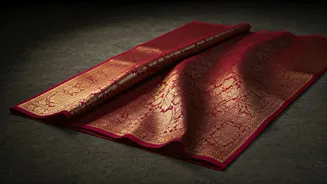
and Kanjeevaram often steal the spotlight, many exquisite local weaves continue to thrive, deserving of wider recognition. Among these treasures is the Lalitpur Zari Silk Saree, originating from the Bundelkhand region. This particular weave hails from Lalitpur, a city nestled in Madhya Pradesh known for its historical architecture and age-old craft practices, strategically positioned near the border of Uttar Pradesh. The local artisan communities have diligently safeguarded this intricate weaving technique for generations, passing down the knowledge from family to family. These sarees are distinguished by their luxurious zari embellishments and robust fabric construction, offering a blend of tradition and durability that makes them stand out.
The Zari Silk Fusion
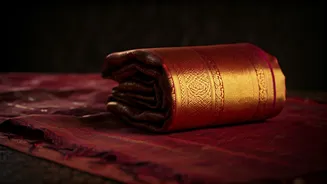
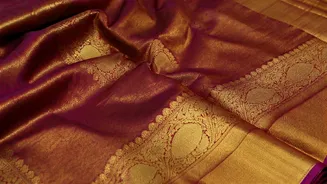
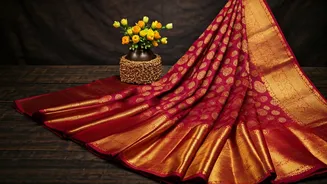
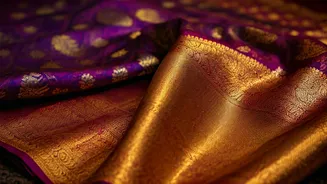
The hallmark of Lalitpur's Zari Silk Sarees lies in the exquisite interplay between shimmering metallic zari threads and fine silk fabric. The premium silk forms a smooth yet structured foundation for the drape, providing an elegant fall. Adorning this luxurious base are meticulously woven traditional zari motifs, typically gracing the borders and the pallu (the decorative end piece). These intricate designs draw inspiration from the natural world, the distinctive architectural styles of the region, and the ancient temple patterns found in the area. The color palette predominantly features lustrous gold and silver threads, which expertly accentuate the detailed zari work, creating a captivating visual appeal that speaks of artistry and heritage.
Craftsmanship in Motion
The creation of each Lalitpur Zari Silk Saree is a labor-intensive process that requires immense skill and dedication. It commences with the meticulous preparation of the silk yarn, involving careful cleaning of the raw threads, followed by dyeing them in rich hues and expertly winding them onto spools. The subsequent stage involves detailed design planning, where artisans map out the specific motifs and patterns destined for the saree. This is followed by the intricate setup of the handloom, preparing the warp and weft threads with precision. The most delicate phase is the zari weaving itself, where metallic threads are skillfully interwoven to form the elaborate borders and motifs. Finally, each saree undergoes a finishing and polishing process, with the entire journey from raw material to finished product often taking several days to complete.
Navigating Modern Challenges
Despite its exceptional craftsmanship, the Lalitpur weave often remains relatively unknown due to several factors. Limited marketing efforts, especially when compared to major textile production centers, and the existence of smaller, more dispersed weaving clusters contribute to its under-the-radar status. A lack of broad national exposure also plays a role. Furthermore, the pervasive presence of mass-produced, machine-made textiles presents stiff competition. However, there's a growing shift in consumer preferences towards sustainable fashion, slow craftsmanship, and unique regional textiles. This evolving appreciation for authentic, handcrafted items offers a promising avenue for the Lalitpur Zari Silk Saree to gain the recognition it deserves and secure a more robust future.