




Clothing Shapes Your Mind
Imagine your wardrobe not just as a collection of fabrics and styles, but as a powerful psychological instrument. Enclothed Cognition, a concept emerging
from psychological research, proposes that what we adorn ourselves with doesn't merely affect how others see us; it fundamentally alters our internal landscape. This phenomenon suggests that the symbolic weight we assign to particular garments, coupled with the tactile sensation of wearing them, can actively shape our thought patterns and behaviours. It's why a sharply tailored suit might instill a sense of gravitas and concentration, while a comfortable, loose-fitting outfit could foster a sense of ease and emotional well-being. Beyond superficial aesthetics, clothing can serve as a subtle mental prompt, reinforcing specific states of mind depending on the situation. As we become more deliberate in our fashion choices, the intricate link between our attire and our daily functioning becomes undeniable. Whether it's the structure of a garment, the vibrancy of its colour, or the familiar texture, these elements can subtly boost confidence, sharpen attention, and positively influence our mood in ways we might not consciously realize. Instead of viewing our closets as solely for self-expression, Enclothed Cognition positions them as functional assets, capable of supporting various mental states and enhancing our overall performance.
The Psychology of Attire
At its core, Enclothed Cognition articulates the profound psychological impact that our clothing choices have on our mental processes. This influence operates on two distinct but interconnected levels: firstly, the cultural and personal meanings we attribute to specific types of apparel, and secondly, the direct sensory experience of wearing those garments. When these factors converge, they can subtly, yet effectively, modify how we think, how we interact with our surroundings, and how we conduct ourselves. For instance, society often imbues certain clothing categories with inherent associations – formal wear signifies professionalism, activewear denotes energy and athleticism, and loungewear implies relaxation and comfort. By donning these items, we don't just adopt their outward appearance; we internalize their underlying symbolism. Wearing structured attire might thus encourage a more disciplined and focused approach, whereas opting for more relaxed clothing can foster a sense of ease and approachability, impacting both our emotional state and our actions. The significance of this psychological connection lies in its pervasive, everyday applicability. The act of getting dressed is a daily ritual, yet it holds the potential to significantly affect our self-assurance, the quality of our decisions, and even our overall productivity. Understanding this relationship transforms clothing from a purely expressive element into a functional tool, empowering us to dress in ways that actively support our desired mental state and performance outcomes.
Mindful Dressing Strategies
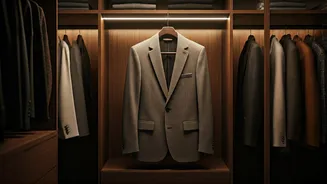
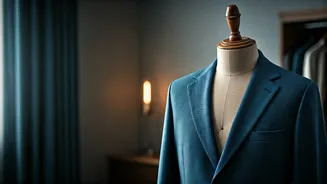
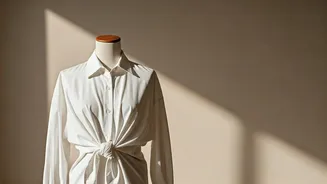
The way we present ourselves physically through clothing has a tangible effect on our internal cognitive and emotional states. Enclothed Cognition posits that different types of garments carry distinct psychological implications, and wearing them can activate these associations, influencing our thought processes and behaviours. For example, garments with structured lines and more formal silhouettes are often linked with a heightened sense of authority and sharpened focus. Donning tailored blazers, crisply ironed shirts, or sophisticated footwear can cultivate an atmosphere of discipline and deliberate intent, making them particularly beneficial in professional settings that demand concentration or critical decision-making. Conversely, attire characterized by looser fits and softer fabrics tends to promote feelings of comfort and relaxation, which can be conducive to creative thinking or stress reduction in more casual environments. Even a simple transition from casual attire to something more refined can trigger a shift in mindset. The objective isn't necessarily to dress in a conventionally 'better' way, but rather to select clothing that aligns harmoniously with the mindset you wish to cultivate and the tasks you aim to accomplish. In this light, the act of getting dressed evolves into a preparatory ritual, where each sartorial choice contributes significantly to how you mentally engage with the world, mirroring your physical presentation.
Intentional Wardrobe Choices
Power dressing transcends mere sharp tailoring or bold fashion statements; it's fundamentally about adopting an intentional approach to your wardrobe. At its heart, this involves a mental recalibration: selecting attire not solely for its visual appeal, but for its capacity to influence how you feel and function. This strategy, deeply rooted in the principles of Enclothed Cognition, operates by harmonizing your outward appearance with your desired internal state. A structured blazer, an elegantly designed dress, or even a pair of shoes that you personally associate with self-confidence can act as potent psychological triggers, reinforcing feelings of authority and self-assurance. The essence of power dressing isn't about rigidly adhering to a prescribed formula; it's about identifying what specific elements personally signify 'confidence' to you. For some, this might translate to classic, understated tailoring, while for others, it could involve vibrant colours, strong, assertive silhouettes, or minimalist pieces that exude a sense of order and control. The key to its effectiveness lies in consistency; when your clothing choices accurately reflect the mindset you aspire to embody, it becomes considerably easier to fully inhabit that persona. What makes this approach so practical is its inherent accessibility. It doesn't necessitate a complete overhaul of your existing wardrobe, but rather encourages a more mindful and strategic engagement with the clothes you already own. By understanding the nuanced ways in which specific garments influence your mood and behaviour, the daily act of getting dressed transforms into a calculated manoeuvre, one that actively supports your cognitive processes, your responses to situations, and your overall presence.