





Knowledge Over Ignorance
For ages, the concept of light has been used to symbolize knowledge, contrasting with darkness, which represents ignorance. The diya beautifully embodies
this metaphor, making it tangible for worshippers. Lighting a diya before prayer is more than just an act to illuminate a space; it signifies a conscious decision to embrace clarity and move away from confusion. This flame encourages the devotee to shift their focus from uncertainty to attentiveness. In essence, the diya serves as a fundamental guide for spiritual living: urging individuals to pay attention, acknowledge their moments of being lost, and actively pursue understanding and enlightenment.
The Soul's Steady Flame
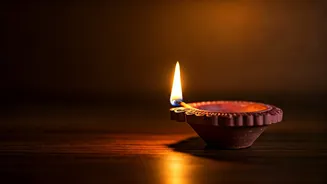
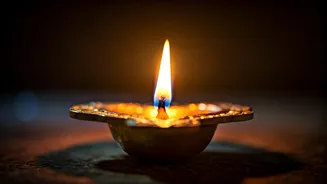
Observe a diya closely, and you'll notice the flame's unwavering, consistent movement. It ascends, stabilizes, and remains unswayed by the vessel that contains it. This behavior offers a visual representation of the 'atman,' or the soul, which is believed by many traditions to be an enduring inner essence that persists independently of the physical body or changing life circumstances. For numerous individuals, observing the diya's flame provides a method to quiet fleeting anxieties and connect with a deeper, more enduring aspect of themselves. It's a visual anchor to inner stability amidst life's flux.
Embracing Detachment
The very components of the diya—the wick and the oil—carry their own instructive meanings. The wick is often seen as representing the ego, while the oil symbolizes the desires and impulses that fuel it, such as greed, anger, and excessive attachment. The process of the lamp burning signifies the transformation of these materials into light. This imagery offers a clear and direct lesson: spiritual development, much like the steady burn of the flame, involves a gradual and natural consumption of lesser, materialistic aspects of self to allow something purer and more luminous to emerge. This transformation is depicted not as an abrupt or forceful event, but as a slow, steady process of giving and becoming.
Inviting the Sacred
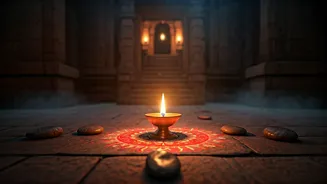
The act of lighting a diya also serves to designate a sacred space and signal a shift in purpose. When a diya is lit in a home shrine or temple, it transforms the area into a place set apart. In many households, this ritual is akin to offering warm hospitality, signifying readiness and an openness to spiritual practice. It communicates that the space is now dedicated to focused attention, to heartfelt prayer, and to receptive listening. In this context, the flame functions less as a mere object and more as a symbolic portal, bridging the mundane world with the divine.
Nurturing Inner Radiance
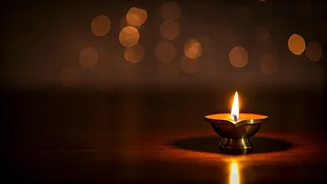
Ultimately, the practice of lighting a diya cultivates disciplined attention and self-care. The lamp requires constant tending—it needs fuel (oil) and protection from drafts. In a similar fashion, any cultivated mental habit or spiritual practice needs regular attention and care. Lighting a diya becomes a personal commitment: a daily ritual to pause, reflect, and consciously nurture one's inner state. While it doesn't guarantee spiritual awakening, it serves as a consistent invitation to return to oneself and to one's spiritual path. This simple, habitual pause, often performed away from daily distractions, marks the beginning of a profound inner journey for many.