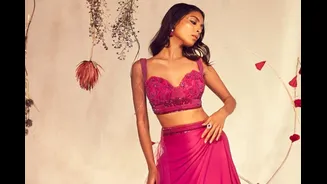

Classic Styles Reimagined
Fashion consistently revisits its history, and this season is no exception. Classic styles, beloved throughout decades, are being reinvented with a modern
twist. Designers are drawing inspiration from past eras, offering a fresh perspective on timeless pieces. For example, the elegant simplicity of the 1950s continues to influence structured silhouettes, now with contemporary materials and designs. Meanwhile, the bold patterns of the 1970s reappear in current collections, incorporating updated colors and cuts that make them relevant for today's fashion scene. This revival of classic styles demonstrates the enduring appeal of quality designs and their capacity to adapt to shifting preferences. The fashion industry expertly reinterprets the core elements of historical pieces, ensuring that these iconic styles remain fashionable.
Modern Trends Emerge
Beyond classic revivals, new trends continually emerge, defining the current fashion landscape. Innovative designs and fresh concepts drive these changes, often reflecting broader cultural and technological shifts. The incorporation of sustainable materials is a prominent trend, as consumers demand more environmentally friendly fashion choices. Fabrics made from recycled materials, organic cotton, and innovative alternatives are gaining traction, changing the way clothes are produced and consumed. In addition, the fusion of fashion and technology is evident with smart textiles and wearable technology starting to emerge into mainstream designs. These innovations highlight fashion’s responsiveness to technological advancements. These emerging trends reflect a desire for change and an eagerness to embrace forward-thinking designs and ethics.
Influence of Streetwear
Streetwear's influence on high fashion is undeniable and has evolved greatly. Once considered a niche, streetwear has transformed the industry. High-end designers are regularly collaborating with streetwear brands, merging luxury aesthetics with urban culture. Sneakers, once a casual item, have become a focal point of many fashion collections. The influence of streetwear can also be observed in the adoption of loose-fitting, comfortable clothing. This move away from form-fitting styles to more relaxed silhouettes reflects a change in attitude towards casual wear. Streetwear’s impact demonstrates the power of subcultures in shaping mainstream fashion and the industry's ability to adapt and incorporate new influences.
Sustainability in Fashion
The fashion industry is increasingly under pressure to adopt sustainable practices, and the results are significant. Consumers are more aware of the environmental impact of their clothing, prompting demand for eco-friendly alternatives. Brands are responding by investing in sustainable materials and production methods. This includes using recycled fabrics, organic cotton, and innovative materials developed with minimal environmental impact. The focus on ethical production also plays a crucial role. Transparency in the supply chain is vital. Consumers increasingly expect brands to provide details about labor conditions and environmental practices. This focus on sustainability is not just a trend; it's a fundamental change that is shaping the fashion industry's future and ensuring it aligns with global environmental goals.
Color and Pattern Insights
Each season brings a distinct palette, with specific colors and patterns that dominate runways and stores. Understanding these trends is crucial for staying current. The vibrant colors frequently reflect cultural moods and global events, with bold shades, such as fuchsias, greens, and oranges often coming into play. In terms of patterns, designers frequently experiment, drawing inspiration from various sources. Florals, animal prints, and geometric designs are often the cornerstones of each season's trends. By paying attention to these color and pattern trends, individuals can infuse their wardrobe with a modern touch and communicate a contemporary sense of style. The fashion industry uses color and pattern not only as a design element but as a means of reflection on the world.