




The Gnat Awakening
The frustrating appearance of tiny, dark flies hovering around houseplants often leads to a cycle of ineffective treatments. These aren't just random visitors;
they are fungus gnats, signaling a deeper issue within the potting mix. The adult gnats you observe are merely the visible sign of a much larger problem residing beneath the soil's surface. Understanding this crucial distinction between the adult flies and their larval stage is paramount to achieving a lasting solution, moving beyond temporary fixes to truly resolve the infestation and protect your indoor garden.
Beneath the Surface
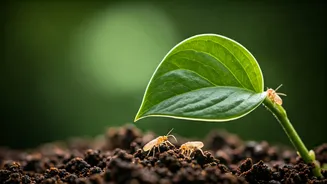
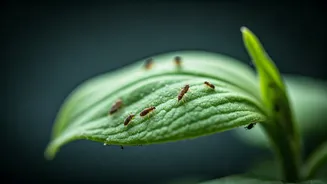
Fungus gnats, small insects measuring between 1/16 to 1/8 inch with translucent wings, resemble minuscule mosquitoes but are harmless in their adult form, as they do not bite. Their presence primarily indicates an imbalance in the soil environment. The real concern lies with the larvae, which inhabit the top one to two inches of potting soil. These larvae subsist on fungi and decomposing organic matter present in the growing medium. Research highlights that excessive moisture creates an ideal habitat for fungus gnats, with larvae flourishing by consuming organic material and fungi within the soil. This underscores that an infestation is not accidental but a direct consequence of conditions within the plant's environment that are conducive to their proliferation.
The Cycle Continues
Many plant enthusiasts falter by focusing solely on the adult gnats, implementing short-term measures like letting the soil dry for a few days. While this might temporarily reduce the adult population, it fails to address the breeding cycle. Studies indicate that soil moisture content is a critical factor for egg-laying and larval survival. Even if adult gnats disappear, the larvae can persist and continue the infestation as long as the potting mix remains damp and rich in organic material. This approach merely halts the visible problem, rather than solving it. Treating individual flying insects is an inefficient use of energy; they are merely indicators of an active breeding site that needs remediation.
A Week-Long Fix
Implementing a short-term strategy aims not at eradicating every single gnat but at disrupting their breeding cycle by making the environment less hospitable. The initial phase, days 1-2, involves careful observation. Inspect each plant, identifying those consistently attracting gnats. Test the soil moisture about an inch deep; if it's wet, that plant is a likely starting point. From days 3-5, the focus shifts to drying the soil. Cease watering and allow the top layer to become thoroughly dry, as moisture is essential for gnat survival and egg-laying. This interruption breaks their reproductive cycle without resorting to chemicals. Days 6-7 are for reassessment. If gnat activity persists, the soil may still be too damp, or other nearby plants might be harboring them. Employing sticky yellow traps near the soil surface during this phase can effectively capture adult gnats and pinpoint concentrated areas of infestation.
Wider Infestations
When faced with multiple plants in close proximity, a common scenario in apartment settings, it's crucial to assess all of them, not just the most obvious ones. Fungus gnats are not confined to a single pot and can easily spread, especially if plants share similar watering schedules and are clustered together. An infestation can establish a breeding habitat across an entire shelf or windowsill. Therefore, a treatment focused on only one plant may overlook the broader issue, allowing the problem to persist. A comprehensive approach is necessary to tackle widespread infestations effectively.
Preventative Measures
Once the infestation is under control, the emphasis shifts to prevention. This is achieved by cultivating more mindful watering habits. Ensure the top one to two inches of soil dry out completely between watering sessions. Avoid letting plant pots sit in accumulated water. Consider transitioning from very rich, organic potting mixes to those that offer superior drainage. These adjustments are not drastic changes but rather subtle shifts in routine that consistently make your plant pots less appealing for fungus gnats to re-establish their life cycle. Patience and consistent attention to the soil environment, rather than immediate, frantic interventions, are key to long-term success.