





Nectar & Host Plants
To draw butterflies to your balcony, the primary focus should be on selecting the right plants that cater to their needs. Butterflies are drawn to flowers
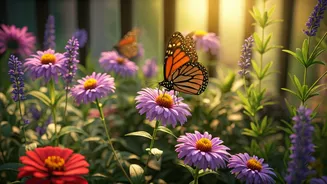
that are rich in nectar, providing them with a readily available energy source. Opt for varieties that continuously bloom, such as Lantana, Marigold, and Zinnia, as their open flower structures make it easy for butterflies to access their sugary reward. These flowering plants, particularly when grown in pots, are ideal for balcony settings. However, nectar alone isn't enough to sustain them. Butterflies also require specific host plants, like milkweed and parsley, which are essential for their life cycle. These plants serve as nurseries where butterflies lay their eggs and as a food source for the developing caterpillars. Without these host plants, butterflies may visit briefly but won't establish a presence. Therefore, a combination of both nectar-rich and host plants is crucial for creating a truly appealing habitat that encourages butterflies to stay and thrive.
Strategic Plant Arrangement
The way you arrange your plants significantly influences how attractive your balcony is to butterflies. Instead of scattering pots evenly, grouping them together in clusters is far more effective. This clustered approach makes it easier for butterflies to locate food sources, reducing their energy expenditure as they search. Imagine them fluttering from one bloom to another within a concentrated area, rather than having to fly extensively across the entire balcony. Furthermore, consider arranging plants by height, placing taller varieties towards the back and shorter ones at the front. This layering not only creates a visually appealing display but also offers different levels for butterflies to perch and feed. On a balcony, where space is often limited, this thoughtful arrangement can be the deciding factor in whether butterflies simply pass by or linger and become regular visitors.
Water Sources & Shelter
Beyond flowers, providing additional amenities can greatly enhance your balcony's appeal to butterflies, encouraging them to stay longer. A simple yet effective addition is a shallow tray filled with damp soil or sand. This acts as a vital water source, offering butterflies a place to rest and absorb necessary minerals, especially during warmer periods when natural water bodies might be scarce. Moreover, offering shelter is paramount for their comfort and sense of security. You can create this by incorporating taller plants around the edges of your balcony or by planting densely in containers. This sense of enclosure helps butterflies feel protected, making them more likely to consider your balcony a safe haven. Exploring vertical gardening with hanging planters and rail boxes can also introduce varied levels, providing more nooks for shelter and foraging opportunities.
The No-Chemical Rule
A fundamental aspect of creating a thriving butterfly habitat is the absolute avoidance of chemical pesticides and herbicides. Even minute traces of these substances can be detrimental to butterflies and their developing caterpillars, posing a significant threat to their survival. By committing to organic gardening practices, you ensure a healthier environment for both your plants and your desired visitors. This conscious choice promotes the well-being of the entire ecosystem you are trying to cultivate. Gardening experts consistently emphasize that using natural, chemical-free products is key to fostering robust plant growth and supporting the delicate life of pollinators. This simple, yet critical, step guarantees a vibrant and safe sanctuary for butterflies throughout the year.
Continuous Blooms All Year
To ensure a consistent flow of nectar and keep butterflies returning to your balcony throughout the year, it's essential to plan for continuous blooming. This involves selecting a variety of plants that flower at different times. As one plant finishes its cycle, another should be ready to take its place, ensuring there's always a fresh supply of food. This strategic planting approach mimics the natural availability of floral resources and plays a critical role in supporting sustained butterfly populations. Research on pollinators highlights that this steady access to nectar is a key factor in their presence and longevity in urban environments. By carefully curating your plant selection for staggered flowering, you create a dependable food source, making your balcony a reliable destination for butterflies season after season.