








Changing Family Dynamics
India's societal structure has historically been centered on joint families, where elders were cared for by their children and grandchildren. However,
modernization and evolving lifestyle preferences have led to a shift. Nuclear families are becoming more prevalent, and younger generations often migrate for work, leaving seniors to navigate life independently. This change underscores the growing importance of alternative living arrangements that provide companionship, care, and a sense of community for the elderly. The traditional support system, while still valued, is no longer the sole source of care for many senior citizens.
Addressing Common Myths
There are several misconceptions surrounding senior living communities that often deter older adults from considering this option. Some believe it signifies abandonment or a lack of familial care. Others assume that it's a place for those with significant health issues or financial constraints. In reality, these communities offer a wide range of services and amenities, catering to diverse needs and preferences. Many are designed to promote an active and engaged lifestyle, with social activities, recreational opportunities, and healthcare facilities readily available. It's about empowering seniors to maintain their independence while providing them with the necessary support.
Benefits of Community Living
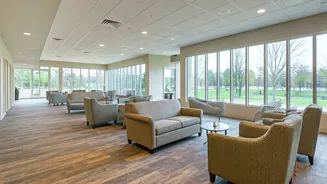
Senior living communities offer several advantages that contribute to a fulfilling and purposeful life after retirement. One key benefit is the reduction of social isolation, a common problem among the elderly. Community living facilitates social interaction, enabling residents to form friendships and participate in group activities. These settings also provide access to a variety of services, including meal preparation, housekeeping, and healthcare assistance, which reduce the burden of daily chores. This allows residents to enjoy their retirement years without the stress of managing a household. Furthermore, many communities offer specialized programs designed to promote wellness, such as fitness classes, educational workshops, and cultural events, fostering an environment of continuous learning and growth.
Realities of Senior Living
The realities of senior living extend beyond simply providing housing and care. These communities often focus on creating a supportive and enriching environment that caters to the diverse needs of their residents. They are designed to accommodate varying levels of mobility and health, with appropriate accommodations and assistance readily available. The emphasis is on fostering independence while providing support. Many communities also offer opportunities for residents to engage in meaningful activities, such as volunteering, pursuing hobbies, and participating in local community projects. The goal is to create a vibrant and engaging lifestyle that allows seniors to thrive.
Purposeful Ageing: Defined
Purposeful aging involves engaging in activities that give life meaning and fulfillment, and senior living communities can play a pivotal role in this. Many offer opportunities for residents to contribute their skills and experiences through mentorship programs or volunteer work. This engagement fosters a sense of purpose and belonging, which enhances overall well-being. These communities create an environment in which seniors can continue to learn, grow, and contribute. By supporting purposeful activities, these living arrangements help residents maintain their sense of identity and continue to lead fulfilling lives. The key is to support an active lifestyle.
The Future of Care
The senior living landscape in India is set to expand and evolve. Demand is projected to increase as the elderly population grows, leading to the development of new communities with innovative designs and features. There is a growing focus on integrating technology to enhance care and improve quality of life. This includes telehealth services, remote monitoring systems, and smart home features. The future of senior living will also be shaped by a greater emphasis on personalized care plans, catering to the individual needs and preferences of each resident. This ensures that the experience is tailored to promote well-being and meet specific requirements.