







The Subtle Seat Selection
Before diving into the specifics, let's acknowledge the unconscious decisions we make when entering a room. Finding a seat often feels instinctual, driven
by a subtle need for comfort, visibility, or a sense of security. This seemingly minor act of choosing a chair can actually offer a fascinating window into our inherent personality traits and how we naturally present ourselves in group environments. It's not just about physical placement; it's a reflection of our social inclinations and how we prefer to engage with others, particularly in professional settings like meetings. By paying attention to these preferences, we can gain a deeper understanding of our own behavioral patterns and those of the people around us. This test aims to decode these silent messages embedded in your seating choices.
The Leader's Ally
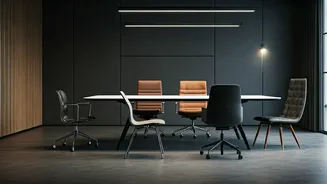
Opting for Chair 1 signifies a proactive and supportive nature, often aligning with a 'co-pilot' or 'first mate' mentality. Individuals choosing this spot tend to gravitate towards positions of influence not out of a desire for dominance, but rather a genuine wish to be instrumental in achieving collective goals. They see themselves as dependable team members, readily available to assist leaders and execute plans efficiently. While respecting established hierarchies, they aren't intimidated by them; instead, they view proximity to leadership as a means of effective collaboration and reinforcement. Their strength lies in maintaining momentum and stability, ensuring that projects stay on track even amidst potential chaos or disorganization. This placement shows a commitment to contributing directly and effectively to the group's success.
The Diplomatic Observer
Selecting Chair 2 suggests a preference for being well-informed and engaged without necessarily being the focal point of attention. This position often indicates a diplomatic and observant personality. Those who choose this seat are adept at staying close enough to key figures to grasp underlying intentions and gather crucial information, while still maintaining a personal space for contemplation. They value group harmony and tend to assess the room's atmosphere and prevailing sentiments before actively participating. This 'buffer zone' allows them to remain connected and aware while exercising a measured approach, demonstrating a knack for understanding group dynamics before immersing themselves fully in discussions or decisions.
The Deliberate Thinker
Choosing Chair 3 points to a personality characterized by deep contemplation and a cautious approach. Individuals drawn to this spot aren't driven by a need to constantly voice their thoughts; they often find excessive chatter distracting. Instead, they prefer to observe and process the unfolding dialogue, meticulously weighing various perspectives before offering their input. Their considered contributions are often highly valuable, as they tend to identify overlooked details or critical insights. This deliberate pace and restraint serve as a significant strength, allowing them to remain composed and focused amidst the pressures and rapid pace often found in meetings, ensuring their eventual contributions are impactful and well-reasoned.
The Analytical Skeptic
Sitting in Chair 4 signals an engaged yet discerning participant, someone who approaches discussions with a critical and analytical mindset. These individuals are present and attentive but are not inclined to agree without thorough consideration. They possess a natural tendency to scrutinize presented information, actively seeking out potential flaws or inconsistencies in logic. While others may readily accept ideas to maintain group consensus, the 'internal auditor' is likely evaluating the viability and potential pitfalls of proposals. This critical perspective isn't meant to be obstructive but stems from a genuine commitment to truth and achieving optimal outcomes. They are comfortable voicing dissenting opinions, recognizing that constructive skepticism often leads to more robust and effective solutions.
The Bold Interrogator
Selecting Chair 5 places you directly facing figures of authority, indicating a high degree of self-assurance and a straightforward communication style. These individuals express their opinions openly and directly, without unnecessary embellishments. Rather than withdrawing from tension, they tend to lean into it, viewing confrontational discussions as opportunities for robust exchange. They appreciate and respect vigorous debate, valuing individuals who can articulate their viewpoints clearly and confidently, much like themselves. This position highlights a personality that thrives on direct interaction and is unafraid to challenge the status quo in a forthright manner.
The Perceptive Wallflower
Gravitating towards the edge of the table in Chair 6 suggests a disposition as a keen 'silent observer.' These individuals possess a sharp intellect and excel at noticing nuances in human behavior and body language, from which they draw significant understanding. Though they may remain quiet, their minds are actively engaged in processing information and analyzing the dynamics at play. When they do contribute, their insights often stem from a unique vantage point, offering perspectives that others may have entirely missed. Their strength lies in processing information from the periphery before stepping forward with well-considered contributions.
The Strategic Engager
Choosing Chair 7 indicates a deliberate approach to managing one's mental energy, eschewing the superficial aspects of meetings like excessive small talk or drama. These individuals remain mentally present but are highly selective about when they choose to actively participate. Similar to a strategist planning a move, they await the opportune moment to contribute. By avoiding the need to comment on every issue, they conserve their energy and prevent burnout under pressure, ensuring their interventions are timely and impactful.
The Empathetic Connector
Positioning oneself in Chair 8 signifies a role as the 'social glue' of the group, attuned to the emotional landscape of others. These individuals naturally enhance the group's atmosphere, softening formality with their presence. They are adept at offering comforting gestures, engaging in light conversation, or using humor to foster a sense of ease and openness among participants, making it easier for everyone to connect and express themselves.
The Devoted Follower
Selecting Chair 9 reflects a profound desire for guidance and clear directives, often seeking proximity to leadership for a sense of security and support. These individuals typically operate as dedicated followers, finding confidence and alignment by staying close to the source of authority. Being part of what they perceive as the 'inner circle' bolsters their sense of assurance and helps them stay in sync with the group's leader and overall direction.