



The All-Natural Illusion
Many of us are drawn to the allure of 'natural' skincare, believing it to be inherently safe. However, the article highlights that highly concentrated
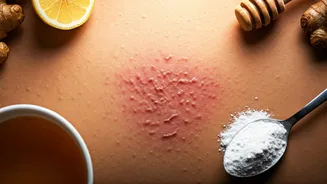
plant chemicals, such as essential oils, can cause significant harm. While they might smell pleasant and remind us of luxury spas, their potent nature can lead to severe Allergic Contact Dermatitis. Compounds like linalool can trigger extreme and escalating sensitization over time. It's crucial to remember that 'natural' doesn't equate to 'harmless'; poison ivy, after all, is also a natural substance and causes considerable irritation. The convenience and supposed benefits of these ingredients often mask a hidden danger, leading to what dermatologists commonly treat as an immune system overreaction manifesting as itchy, weeping rashes. This section emphasizes that assuming safety based solely on a product's natural origin is a flawed and potentially damaging approach to skincare.
Pantry Poisons Unveiled
The article criticizes the stark contrast between our rigorous approach to medicinal drugs and our casual adoption of DIY skincare trends found online. The internet's pervasive narrative has successfully demonized 'chemicals' while elevating 'natural' to a universal safety badge. This section directly confronts this misconception, revealing that many pantry staples, once incorporated into skincare routines, can actively damage the skin barrier. It spotlights ingredients like lemon juice and baking soda, explaining their chemical properties and how they disrupt the skin's delicate balance. The core message is a stark warning: your late-night concoctions, born from viral trends, are likely the very reason your skin is suffering and in need of urgent repair, dismantling the myth that anything derived from nature is automatically beneficial for dermal application.
Lemon's Lingering Scars
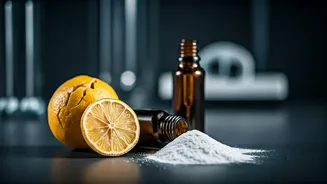
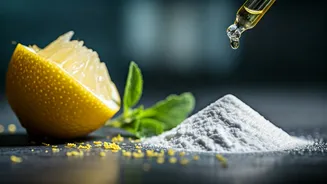
Focusing on lemon juice as a popular DIY solution for dark spots, this section dissects its acidic nature and potential for harm. While marketed as a 'brightening' agent, lemons possess a significantly low pH of 2, far too acidic for the skin's natural environment, which thrives around pH 5. Applying lemon juice directly can induce chemical burns. Furthermore, lemons contain psoralens, compounds that react severely with sunlight. When applied to the skin and then exposed to the sun, especially in places like Delhi where UV exposure can be intense, it can trigger hytophotodermatitis. This reaction leads to brutal blistering and inflammation. For individuals with melanin-rich skin tones, common in India, this 'hack' doesn't just cause immediate damage; it leaves behind stubborn, lingering dark marks that can take many months to fade, fundamentally contradicting the intended cosmetic outcome.
Baking Soda's Barrier Breakdown
This section addresses the detrimental impact of baking soda on the skin barrier. With an alkaline pH of 9, baking soda is aggressively basic and a prime example of a kitchen ingredient that wreaks havoc. It's often praised in online forums as a miraculous exfoliant, but its use actively destroys the skin's crucial acid mantle. When the skin's pH is forcibly elevated, it strips away the essential lipids responsible for its defense mechanisms. This compromised state makes the face an ideal breeding ground for acne-causing bacteria. Rather than treating a pimple, applying baking soda demolishes the structural integrity of the surrounding skin tissue, paving the way for chronic dryness and a subsequent surge in oil production as the skin overcompensates, creating a vicious cycle of irritation and breakouts.
Physical Trauma, Not Exfoliation
The article confronts the destructive nature of physical exfoliants derived from kitchen ingredients, specifically mentioning sugar and coffee grounds. It stresses that facial skin is extremely delicate and requires controlled exfoliation, a task best handled by gentle chemical exfoliants recommended by dermatologists. Under microscopic examination, sugar crystals and coffee grounds reveal jagged edges that resemble tiny glass shards. Vigorously rubbing these particles into the pores causes microscopic tears across the epidermis. This process is not exfoliation; it is trauma. The skin rapidly loses moisture, becoming severely dehydrated and excessively vulnerable to premature aging. The advice given is clear: reserve granular scrubs for rougher areas like elbows and keep them far from your face.
Freshness Fuels Fungi
This final section warns about the dangers of using 'fresh' homemade skincare concoctions that lack preservatives. Examples include egg whites for pore tightening or blended oats stored in jars. Commercial skincare products incorporate broad-spectrum preservatives for a vital reason: to prevent microbial contamination. Raw egg whites, for instance, pose a genuine risk of topical Salmonella infection. Similarly, an oatmeal and milk paste left unrefrigerated and without preservatives can quickly transform into a breeding ground for bacteria within 48 hours. Applying spoiled, microbe-laden food to a compromised skin barrier is a direct pathway to fungal infections and severe cystic breakouts. The overarching conclusion is that the kitchen pantry should be used for cooking, not for cosmetic experimentation; viral suggestions for 'face salads' should be resisted in favor of culinary enjoyment.