






Decoding the 12-3-30
The 12-3-30 workout is a straightforward treadmill routine that has gained significant traction, largely due to its clear, structured approach that gained popularity
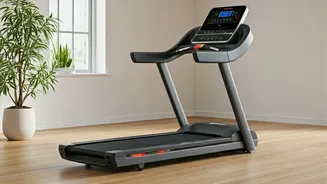
through social media. At its core, the method involves setting the treadmill's incline to a steep 12 percent, walking at a consistent pace of 3 miles per hour, and maintaining this for a duration of 30 minutes. While the workout itself is a recent trend, the concept of incline walking as a low-impact cardiovascular exercise has been a long-standing practice among fitness enthusiasts and professionals. The genius of the 12-3-30 lies in its simplicity and predictability, removing the guesswork and making it easier for individuals to commit to a regular exercise plan. This fixed format removes the mental barrier of programming complex workouts, fostering adherence through its uncomplicated nature. The structured parameters provide a clear roadmap, making it an accessible entry point for many into consistent physical activity.
Physiological Impact of Incline
Stepping onto an inclined treadmill fundamentally alters the body's biomechanics and energy demands compared to walking on a flat surface. When you ascend an incline, your body must work significantly harder against gravity, engaging different muscle groups more intensely. Specifically, the glutes, hamstrings, and calf muscles experience heightened activation as they propel you upward. This increased muscular effort translates to a faster rise in heart rate and a greater demand for oxygen, thereby boosting your cardiovascular workout. Research indicates that increasing treadmill incline substantially elevates energy expenditure, meaning you burn more calories during the same amount of time compared to a level walk at the same speed. This enhanced calorie burn is a critical factor for individuals aiming for fat loss, as it contributes more effectively to creating the necessary calorie deficit.
Fat Loss Fundamentals
The effectiveness of the 12-3-30 method for fat loss hinges on a foundational principle: achieving a consistent calorie deficit over an extended period. Fat loss is not a result of a single workout's intensity but rather a sustained imbalance where more calories are expended than consumed. While exercise, like the 12-3-30 routine, significantly aids in increasing calorie expenditure, it is not a substitute for mindful eating habits. Studies confirm that a combination of regular aerobic activity and dietary adjustments yields superior fat loss results compared to relying solely on exercise. For instance, a 70 kg individual engaging in 30 minutes of strenuous incline walking at the 12-3-30 parameters could potentially burn between 200 to 300 calories, a notable contribution to their daily deficit. Integrating this routine into a lifestyle that prioritizes balanced nutrition, adequate sleep, and stress management amplifies its fat-burning potential.
Who Benefits Most
The 12-3-30 walking technique is particularly well-suited for a specific demographic seeking a low-impact yet challenging cardiovascular exercise. Individuals who prefer workouts that minimize stress on their joints, such as those experiencing knee discomfort with high-impact activities like running, will find this method highly beneficial. It offers a robust cardio session without the jarring effect on the joints. Furthermore, individuals new to structured exercise programs who might be intimidated by complex routines can embrace the simplicity of the 12-3-30. Its predictable nature makes it an excellent choice for beginners looking for a repeatable and sustainable plan to build their fitness foundation. By avoiding explosive movements and high-intensity intervals, it provides a gentler introduction to aerobic conditioning, allowing users to build endurance and strength progressively.
Beyond Fat Loss: Limitations
While the 12-3-30 method excels in cardiovascular conditioning and lower-body engagement, it's important to acknowledge its limitations regarding comprehensive fitness. This routine primarily targets the legs and heart, offering minimal contribution to upper-body strength development. It does not serve as a replacement for resistance training, which is crucial for building and maintaining muscle mass. Adequate muscle mass plays a vital role in long-term metabolic health and overall strength. Moreover, the body has a remarkable capacity to adapt to repetitive stimuli. If the 12-3-30 workout is performed consistently without any form of progression, such as increasing duration, speed, or incline, the calorie expenditure may eventually plateau. This adaptation doesn't negate the routine's value but highlights the need for evolution within the program to continue seeing results.
Making It Sustainable
The true efficacy of the 12-3-30 workout, like any fitness endeavor, is magnified when it is integrated into a holistic approach to well-being. For optimal and sustained results, this routine thrives when supported by a foundation of healthy lifestyle choices. This includes focusing meals on nutrient-dense whole foods, prioritizing adequate protein intake to support muscle health, and ensuring 7 to 8 hours of quality sleep per night to aid recovery and metabolic function. Furthermore, incorporating strength training alongside the incline walking is essential for maintaining and building muscle mass, which is a key component of long-term metabolic health. The effectiveness of the 12-3-30 is not in its intensity alone, but in its consistency. As the ancient Greek philosopher Aristotle wisely noted, "We are what we repeatedly do." By making this routine a consistent habit within a balanced lifestyle, individuals can foster steady progress and achieve their fitness objectives reliably.