



The Purple Phenomenon
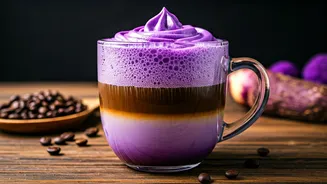
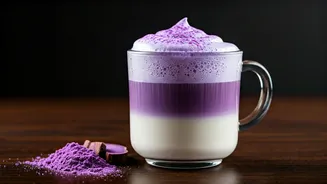
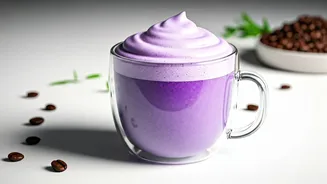
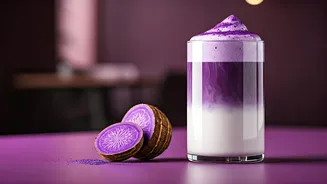
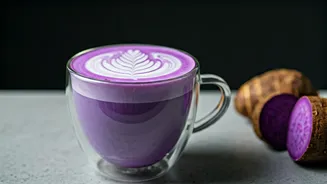
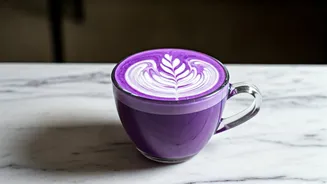
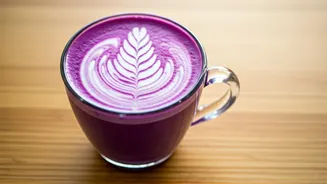
The allure of ube coffee has captured attention, with its striking pastel purple hues gracing social media feeds globally. This trend, rooted in Filipino
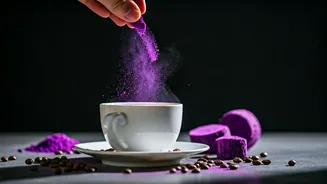
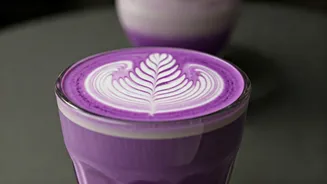
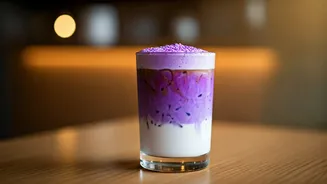
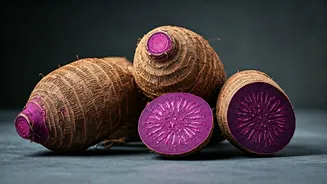
culinary traditions, showcases ube, a vibrant purple yam celebrated for its natural sweetness, creamy texture, and earthy notes. Traditionally a star in desserts like halaya and ice cream, ube has now transformed into a popular coffee ingredient, turning standard lattes into photogenic masterpieces. Its visual appeal is undeniable, but the question remains: does this trendy beverage offer more than just a pretty picture? This phenomenon has propelled ube from traditional sweets into the mainstream coffee culture, making it a talking point among café enthusiasts and casual drinkers alike, all drawn in by its unique color and exotic origin.
Nutritional Nuances
Beyond its captivating color, the health profile of ube coffee is a subject of interest. Dieticians note that ube itself contains beneficial fiber and antioxidants, which can contribute positively to digestion and general well-being. However, it's crucial to understand that ube is not a miracle superfood. While it offers some nutritional advantages when consumed in moderation, its current popularity is significantly amplified by its striking appearance and extensive social media promotion. Therefore, while it's partly healthy due to the natural properties of the yam, its status as a trend is currently more prominent than its 'superfood' credentials. This distinction is vital for consumers looking to make informed dietary choices, ensuring they don't overestimate the health benefits based solely on the ingredient's origin.
Healthier Choices?
Comparing ube coffee to its non-ube counterparts, its healthiness hinges entirely on preparation. When made simply, incorporating real ube, it can indeed be a healthier alternative, providing fiber and antioxidants. The challenge arises when cafés transform it into a dessert-like beverage. The addition of excessive sugar, syrups, and creams can negate the inherent benefits of the ube, making it nutritionally comparable to other heavily sweetened, flavored coffees. Therefore, the actual health impact of ube coffee is not inherent to the ingredient but rather dictated by the specific ingredients and quantities used in its preparation. Consumers seeking a healthier option should inquire about the preparation methods and ingredient lists at their chosen establishments.
Diabetes and Moderation
The natural sweetness of ube might lead some to assume ube coffee is automatically suitable for individuals managing diabetes. However, this assumption is misleading. The final composition of the drink, rather than the ube ingredient alone, determines its suitability. Dieticians advise that ube coffee should be consumed in moderation, especially for those monitoring their calorie and blood sugar intake. The inclusion of sugar, cream, and milk can rapidly escalate both. For individuals with diabetes or those focusing on weight management, portion control is as critical as ingredient awareness. Opting for versions with minimal added sugar and being mindful of the serving size are paramount recommendations to ensure this trendy beverage can be enjoyed responsibly without adverse health consequences.
Ube Versus Matcha
When pitted against other trending café ingredients like matcha, ube coffee's health advantages become clearer. Matcha generally holds a stronger nutritional claim, supported by more extensive scientific evidence. It is recognized for its rich antioxidant content and potential to boost metabolism. Ube, while offering its own set of benefits like fiber and some antioxidants, presents less pronounced health advantages in comparison. Therefore, in a direct health-focused comparison, matcha is often considered the superior choice due to its more established and potent health-related properties. While ube provides a pleasant flavor and appealing color, its health contributions are more basic and less scientifically substantiated than those of matcha.