
Defining Circular Fashion
Circular fashion is a groundbreaking concept that diverges from the traditional linear model of 'take-make-dispose.' Instead, it advocates for a closed-loop
system where materials are kept in use for as long as possible. This involves designing clothes for durability, encouraging repair and reuse, and ensuring that materials can be recycled or composted at the end of their life cycle. It's about minimizing waste and maximizing the value of resources. Unlike the conventional fast-fashion model, which relies on high turnover and disposability, circular fashion emphasizes durability, timelessness, and recyclability. This transition requires significant changes in the fashion industry, from design and production processes to consumer behavior.
Why Circularity Matters
The fashion industry is a major polluter, contributing to significant environmental challenges. The shift towards circularity is driven by a growing awareness of these impacts. Conventional fashion practices involve excessive water usage, reliance on harmful chemicals, and vast amounts of textile waste ending up in landfills. Circular fashion offers a means to mitigate these negative effects. By prioritizing resource efficiency, reducing waste, and lessening the reliance on virgin materials, it can help lessen the industry's environmental footprint. Furthermore, it encourages ethical sourcing and fair labor practices, addressing social concerns within the fashion supply chain. This approach is not only essential for environmental sustainability but also for promoting a more equitable and responsible industry.
Embracing Sustainable Materials
A core aspect of circular fashion involves using materials that have a lower impact on the environment and are easily recyclable or biodegradable. Organic cotton, recycled polyester, and innovative plant-based fabrics are becoming increasingly prevalent. These materials often require less water and fewer pesticides in their production, minimizing their environmental impact. Choosing garments made from these materials helps reduce demand for unsustainable options. Consumers should pay close attention to labels and certifications, such as GOTS (Global Organic Textile Standard) and OEKO-TEX, which can verify the sustainability of materials. By selecting fabrics that are both durable and environmentally friendly, consumers can contribute to a more sustainable fashion ecosystem.
Prolonging Garment Lifecycles
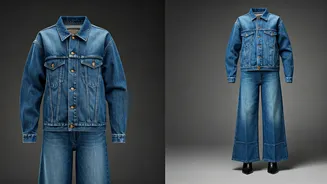
Circular fashion emphasizes extending the lifespan of clothing through careful care, repair, and reuse. This can start with choosing durable, high-quality items. Simple practices like following care instructions, repairing damaged clothing, and creatively upcycling garments can dramatically reduce waste. The rise of repair services and DIY tutorials further empowers consumers to maintain their clothes for longer. Another key strategy is the exchange of clothing through resale platforms, thrift stores, and clothing swaps. These avenues provide a means to give clothes a second life, while also reducing the need for new production. These practices not only decrease waste but also encourage a shift in mindset—valuing clothes for their longevity rather than treating them as disposable items.
Designing for Circularity
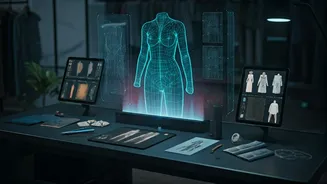
Circular design principles are essential for the evolution of sustainable fashion. This involves creating clothes that are easy to disassemble, recycle, or compost at the end of their useful life. Designers are focusing on minimizing the use of mixed materials and designing products with repair in mind. The selection of materials is critical; the use of monomaterials (like 100% cotton or wool) makes recycling simpler. Another aspect is modular design, where parts of a garment can be replaced or altered, extending its lifespan. Fashion brands are also implementing take-back programs, where consumers can return used clothing for recycling, closing the loop and reducing waste. By adopting circular design, the fashion industry can shift its focus from rapid consumption to durable, environmentally friendly practices.
Travel Trends 2026 Connection
The growing interest in circular fashion aligns closely with the evolving travel trends of 2026. As travelers become increasingly aware of the environmental impact of their choices, they seek ways to lessen their footprint. This extends to fashion, where travelers are opting for sustainable and ethical clothing options. Lightweight, versatile, and durable garments are favored for travel, reflecting a move toward minimalist packing and responsible consumption. Choosing circular fashion supports a mindful approach to travel, minimizing waste and contributing to a more sustainable lifestyle. The integration of circular principles within the travel industry—from clothing choices to eco-friendly luggage—reflects a comprehensive commitment to sustainability, influencing both fashion and travel practices.