









The Fan's Failing Function
During the relentless heatwaves gripping India, many reach for electric fans as an immediate solution for comfort. However, this instinctual reliance can
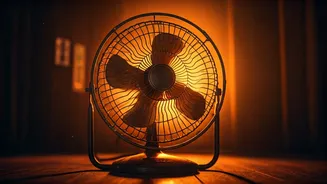
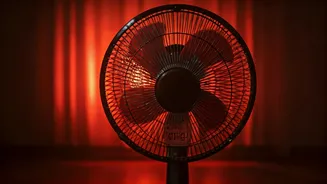
become counterproductive and even hazardous once ambient temperatures climb above 40°C (104°F). The World Health Organization has issued advisories highlighting this crucial point: beyond this threshold, fans cease to offer cooling and instead begin to heat the body. This phenomenon occurs because, at such extreme temperatures, the air being circulated by the fan is hotter than human skin temperature. Consequently, instead of facilitating heat loss through evaporation, the fan actively transfers more heat onto the body, exacerbating the effects of the sweltering conditions and potentially leading to dangerous heat-related illnesses.
Heat's Toll on the Body
Normally, electric fans aid in cooling by enhancing the evaporation of perspiration from the skin. This process draws heat away from the body, creating a sensation of coolness. However, in conditions where the air temperature surpasses 40°C, this essential cooling mechanism falters. Prolonged exposure to air hotter than one's own body can accelerate dehydration, placing immense stress on the cardiovascular system. Dr. Rakesh Pandit, a senior consultant in Internal Medicine, explains that using fans in such extreme heat can significantly increase the risk of dehydration, strain the heart, and hasten the onset of heat exhaustion or even heatstroke. The body’s ability to regulate its internal temperature is severely compromised, leading to symptoms like dizziness, profound weakness, disorientation, and in severe instances, fainting.
Safe Haven Indoors
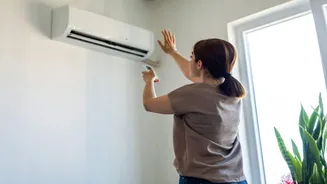
To navigate these perilous heatwaves safely while indoors, Dr. Pandit recommends strategic measures. During the peak heat hours, it's advisable to remain inside and seek out the coolest available space within the home. If possible, spending a few hours in a cooler external environment can also provide respite. To prevent the ingress of hot air, windows should be kept shut throughout the daytime. They should only be opened in the evening or after sunset when the outdoor temperature has decreased. During the sunniest parts of the day, it's crucial to keep curtains and blinds drawn to minimize solar heat gain within the house. Maintaining adequate hydration is paramount; drinking plenty of fluids, primarily water, is essential to combat dehydration. Other helpful precautions include wearing light, loose-fitting clothing made from natural fabrics, avoiding heavy meals and strenuous physical activities, taking cool showers, and applying damp cloths to the body. Once the temperature drops, utilizing cross-ventilation and turning off non-essential electrical devices that generate heat can further improve indoor comfort.
Vulnerable Populations Identified
Certain groups are disproportionately susceptible to the dangers of extreme heat. Dr. Pandit points out that the elderly, very young children, individuals engaged in outdoor occupations, and those managing chronic health conditions are at the highest risk. People with pre-existing ailments such as heart disease, diabetes, or kidney disorders may experience greater difficulty in regulating their body temperature. Young children are prone to dehydrating more rapidly than adults. Outdoor workers, by the nature of their jobs, endure prolonged exposure to direct solar radiation and high temperatures. It is imperative for families to remain vigilant for the earliest indicators of heat-related illnesses. Symptoms warranting immediate medical attention include intense fatigue, persistent headaches, dizziness, nausea, muscle spasms, confusion, and hot, dry skin. If an individual exhibits disorientation or ceases to sweat, it signifies a critical situation requiring immediate cooling measures and urgent professional medical assessment.