






Origins and Purpose
The corset's story began in 16th-century Europe, with Spain and France leading the way. Early versions, called 'stays,' weren't about emphasizing curves.
Instead, they aimed to create a flat torso and a stiff, cone-like silhouette. These early corsets were more about structure and social standing than the curvy figures we often associate with them today. Think of them as the foundational layer for achieving a specific, often rather severe, body shape that was fashionable at the time. The purpose was to adhere to the strict social norms and the fashionable aesthetics of the era.
Royal Fashion and Status
During the reigns of European royalty, corsets weren't just garments; they were emblems of power, status, and self-control. Within royal courts, the women donned these tightly structured pieces, showcasing elegance, impeccable posture, and their elevated social standing. The corset, with its inherent rigidity, mirrored the structured lives of the elite. The way a woman wore her corset was a direct reflection of her position within society, as well as her willingness to conform to the rules and expectations laid out before her. In essence, the corset acted as a visual cue, communicating wealth, discipline, and the ability to endure the sometimes-uncomfortable demands of high society.
The Victorian Era's Curves
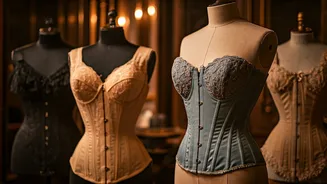
The 19th century witnessed a significant shift in corset design and usage. Corsets became more fitted, more curved, and more focused on accentuating the iconic hourglass figure. This period also saw the rise of tight lacing, a practice that drastically reduced waist size. However, this focus on extreme shaping sparked debates regarding women's health and mobility. While the pursuit of a fashionable silhouette was important, the tight lacing could sometimes lead to limitations on freedom of movement. The era marked a turning point, both in terms of design and in the societal conversations surrounding the garment's impact on women's well-being and their physical abilities.
Health Debates Emerge
By the late 1800s, physicians and social reformers began to voice concerns about the health implications of corsets. They criticized the practice for restricting breathing and the natural movement of internal organs. This ultimately triggered the dress reform movement, which championed more comfortable and practical clothing. Advocates of dress reform challenged the beauty standards that demanded such restrictive garments. The shift towards easier clothing reflected a desire for both physical health and greater freedom for women, pushing for a move away from the often-harmful practices associated with corsetry.
Decline in the 20th Century
The early 20th century brought major changes to women's roles, which then directly affected fashion trends. Corsets gradually fell out of favor. World War I, in particular, accelerated this trend, as women took on new roles and needed greater freedom of movement. Simultaneously, fashion changed. The rise of bras and girdles provided alternative forms of support and shaping, offering more convenience and less restriction. These factors combined to signal the decline of corsets as a daily essential. The garment, once a symbol of everyday wear, transitioned from mainstream use, evolving into something increasingly associated with specific occasions or aesthetics.
Corsets Today: Expression
Corsets have made a significant comeback, but their role has changed dramatically. They're no longer primarily everyday undergarments. Instead, they’ve re-emerged as outerwear and fashion statements. Today, the corset is worn as a symbol of self-expression, empowerment, and fashion experimentation. The modern corset embraces individuality, with people styling it to express their unique personalities. This resurgence reflects a shift away from restriction and towards celebrating the body in a more positive way. The corset's evolution is a testament to how fashion adapts to reflect societal values, and the wearer's autonomy.