







Understanding the Price Surge
Recent reports indicate a significant price increase for popular packaged milk brands across India, affecting various milk types including full cream,
toned, and cow's milk. This adjustment, effective mid-May, means consumers will see an increase of Rs 1-2 per litre on certain products. For instance, a 1-litre pack of a well-known brand's full cream milk now retails at Rs 70, up from Rs 68, and its toned milk variant has seen a similar rise. Even smaller pack sizes, like 500 ml of buffalo milk, have been affected, moving from Rs 38 to Rs 39. Another major dairy provider has also revised its pricing structure, with a 1-litre pack of buffalo milk now costing Rs 80, a substantial jump from Rs 75, and its full cream milk seeing an increase to Rs 72 for a litre. These revised rates apply to milk supplied from late May 13th and available in the market from May 14th onwards, impacting the daily budgets of many Indian families who rely on milk as a primary source of calcium and other essential nutrients.
Powerhouse Seeds
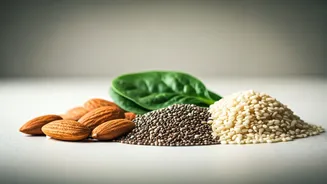
When seeking calcium beyond dairy, certain seeds emerge as potent sources. Chia seeds, for example, offer approximately 162 mg of calcium per 100 grams and are lauded for supporting bone and teeth health, aiding in muscle contraction and nerve function. Their rich fiber, potassium, and antioxidant content also contribute to improved digestion and cardiovascular well-being. Sesame seeds are another remarkable option, boasting a calcium content of about 975 mg per 100 grams. Best prepared after soaking overnight, these seeds can be incorporated into various dishes, from desserts and oats to smoothies, or even ground into a chutney. Their phosphorus, magnesium, and zinc content play a crucial role in enhancing calcium absorption and maintaining bone density. Amaranth seeds, with 631 mg of calcium per 100 grams, provide a significant portion of daily calcium needs, roughly 18% from just two tablespoons. They are excellent for strengthening bones and teeth, and also facilitate muscle function and nerve signaling, with magnesium and phosphorus further aiding calcium uptake.
Nutrient-Dense Grains
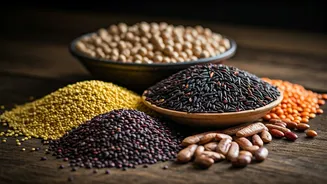
For those looking to diversify their calcium intake through grains, ragi and amaranth grains stand out as excellent choices. Ragi, also known as finger millet, provides a substantial 350-400 mg of calcium per 100 grams. It's incredibly versatile and can be enjoyed as a breakfast porridge, or transformed into rotis, dosas, cheelas, or pancakes, making it an accessible way to boost calcium levels. Amaranth grains are another powerhouse, offering between 200-300 mg of calcium per 100 grams. These grains can be prepared as a nutritious porridge or incorporated into various Indian preparations like rotis and cheelas. Beyond their calcium content, they contribute essential amino acids and minerals, supporting overall health and vitality, offering a wholesome alternative to traditional dairy.
Leafy Greens & Fruits
Incorporating certain leafy greens and fruits into your diet can also significantly contribute to your daily calcium intake, providing a natural and wholesome approach. Dried figs, for instance, are a delectable source of calcium, containing around 260 mg per 100 grams. They are best consumed after soaking them overnight, and can be seamlessly added to desserts, morning oats, smoothies, or shakes. They can also be transformed into a flavourful chutney, adding a calcium boost to meals. Amaranth leaves, a vibrant green, offer a considerable amount of calcium, ranging from 200-300 mg per 100 grams. These leaves can be expertly prepared into nutritious saag or sabzi dishes, or added to dals and soups for an extra nutritional punch. They also blend well into paratha dough, making them a versatile ingredient for everyday cooking, complementing their rich nutrient profile with essential vitamins and minerals.