




Fashion's Evolution Unveiled
Fashion has always been more than just clothing; it reflects the culture, values, and aspirations of a society. From the elaborate gowns of the Renaissance
to the sleek silhouettes of the modern era, each period has defined its unique aesthetic. The shift from handmade garments to mass production marked a significant turning point, making fashion more accessible but also accelerating the pace of trends. This constant cycle of innovation and adaptation has created a dynamic industry. Today, social media and the internet further amplify these trends, creating a faster global fashion cycle. This evolution, shaped by technology and culture, continues to influence how we express ourselves.
Defining Personal Style
Creating a personal style goes beyond simply following trends. It’s about discovering what resonates with your individual preferences, lifestyle, and values. Start by evaluating your current wardrobe, identifying pieces you love and the reasons behind your choices. Consider what colors, fabrics, and silhouettes make you feel confident and comfortable. Researching fashion icons whose styles you admire can also be helpful. Experimentation is key; try different styles, mix and match items, and don't be afraid to step outside your comfort zone. Building a mood board or creating a digital style file can help you visualize your style. Ultimately, personal style is an evolving journey of self-discovery, reflecting who you are at your core.
Wardrobe Essentials Explained
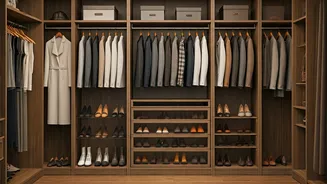
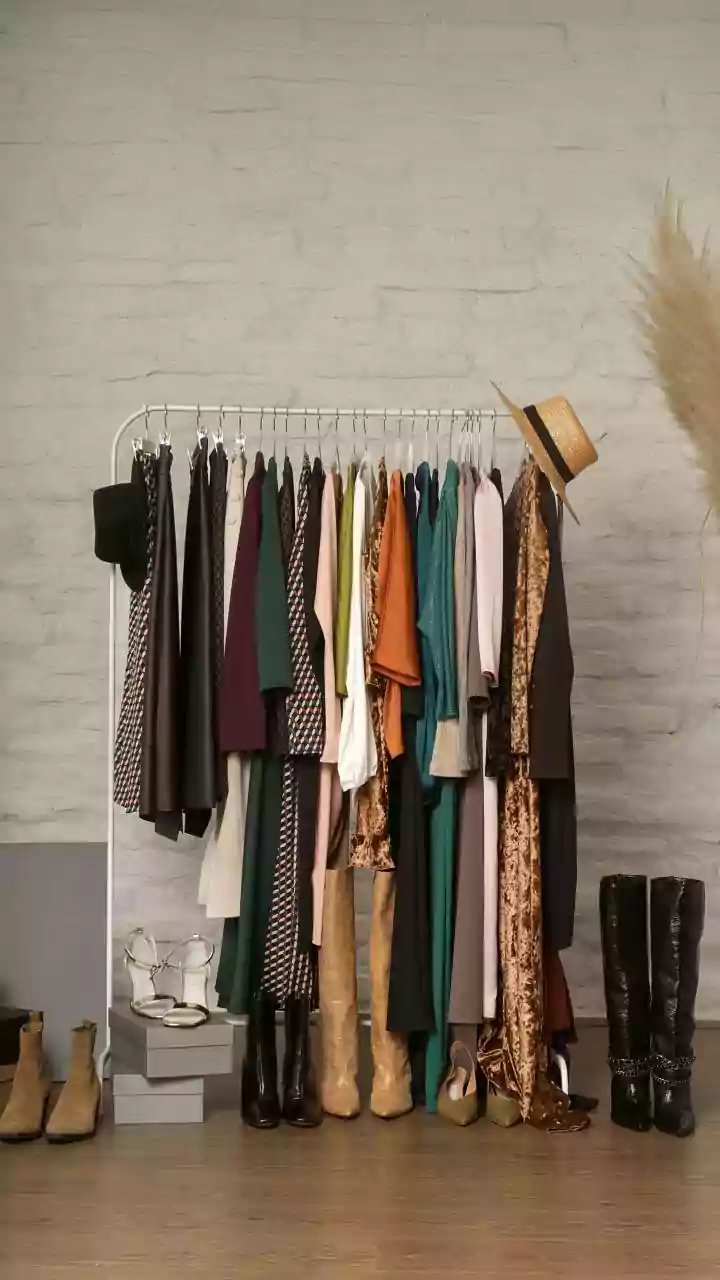
Building a functional and stylish wardrobe starts with a foundation of essential pieces. These are the versatile items that can be mixed and matched to create countless outfits. Consider classic pieces like a well-fitting blazer, a crisp white shirt, a pair of dark-wash jeans, and a little black dress. For footwear, include comfortable and stylish choices like neutral-colored pumps, versatile flats, and a pair of classic sneakers. Accessories, such as a timeless watch, a simple necklace, and a go-to handbag, can elevate any look. Investing in quality pieces that fit well and suit your personal style is more important than chasing trends. By prioritizing quality over quantity, you'll create a wardrobe that lasts and reflects your individual aesthetic.
The Power of Fit
Fit is crucial to looking and feeling your best in any outfit. Regardless of the garment's style or price, a piece that fits poorly can ruin the entire look. Learn to recognize what types of fits work best for your body shape. Understand how alterations can make a significant difference. A tailor can adjust the length of pants, the fit of a blazer, or the sleeves of a shirt to enhance the overall silhouette. When shopping, always try on clothing and pay attention to how it moves and feels. Consider where the garment sits on your body. Remember, well-fitting clothes boost confidence and project a polished appearance. A perfectly tailored item can significantly improve any outfit, making it a foundation of chic style.
Accessories: Elevate the Look
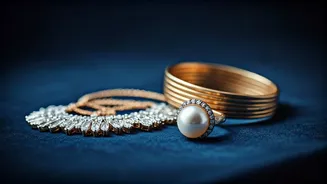
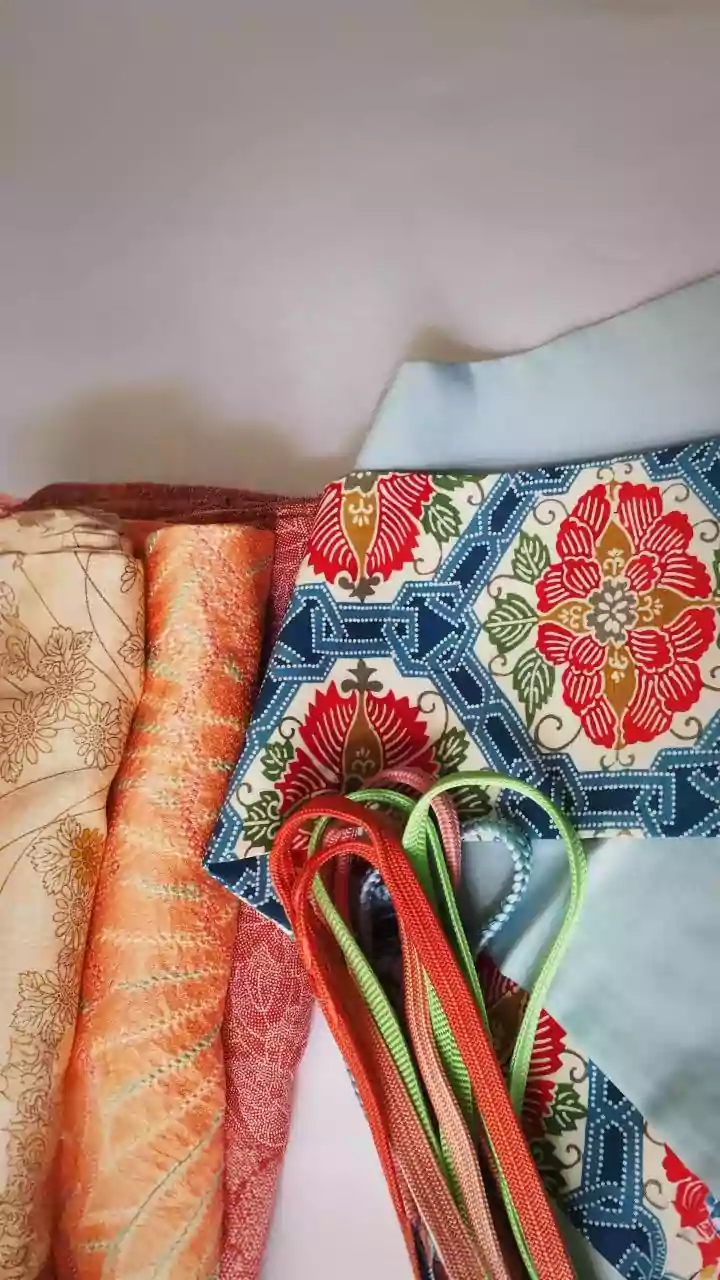
Accessories have the power to transform a simple outfit into a statement. They add personality and flair, allowing you to express your individual style. A well-chosen scarf can add color and texture. Jewelry can add elegance or edge. Belts can define your waist and create a more flattering silhouette. Bags, from practical totes to stylish clutches, can complete a look. Consider the occasion when choosing accessories. A casual daytime outfit can be dressed up with a statement necklace. A formal evening look calls for elegant jewelry and a sleek clutch. Experiment with different combinations to discover which accessories best reflect your style and enhance your overall appearance. Accessories are the final brushstrokes that complete your fashion masterpiece.