

Defining Your Personal Style
Embarking on a fashion journey begins with self-discovery. Recognizing your individual style preferences is crucial. It’s a reflection of your personality,
interests, and how you choose to present yourself. Start by exploring diverse fashion aesthetics, from classic and minimalist to bohemian or edgy. Look at what catches your eye. Use platforms like Pinterest, Instagram, and fashion blogs to gather inspiration. Pay close attention to colors, patterns, and silhouettes that resonate with you. Think about what makes you feel confident and comfortable. Note down the common themes in your favorite outfits. This process helps you identify the elements you love and those you don't. Experimentation is key; try different styles to see what feels truly authentic to you. Create mood boards that visually represent your ideal style and use these as a compass to navigate your fashion choices.
Building A Versatile Wardrobe
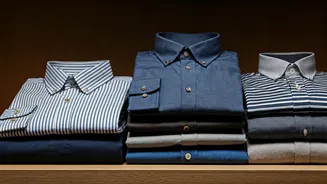
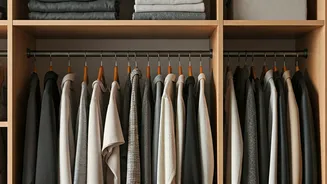
Building a foundational wardrobe is like laying the groundwork for endless outfit combinations. Focus on essential pieces that can be mixed and matched. These are the building blocks, such as a well-fitting blazer, a classic white shirt, a versatile pair of dark-wash jeans, and a little black dress. Invest in quality fabrics and timeless designs to ensure longevity. Start with neutrals like black, white, navy, and gray; they serve as a perfect base. Then add a few key statement pieces that represent your style. Think about the climate you live in and the lifestyle you lead. Your wardrobe should align with your everyday activities, whether it's work, travel, or leisure. Don’t hesitate to invest in staple items like a good quality coat or a pair of leather boots. Assess what you already have, and donate or sell items you no longer wear. This helps you build a curated wardrobe that reflects your current style and needs.
Understanding Silhouettes & Fits
Knowing how different silhouettes flatter your body shape is crucial for crafting outfits that make you look and feel your best. Understanding your body type – whether it's hourglass, pear-shaped, apple-shaped, or athletic – helps guide your choices. The goal is to accentuate your best features and create a balanced look. For example, an hourglass figure can often wear fitted styles that highlight the waist. For pear-shaped figures, A-line skirts and well-fitted tops balance the hips. Apple-shaped figures might benefit from structured tops and tailored pants. Experiment with different silhouettes, such as A-line, sheath, or fit-and-flare dresses, to see which ones best suit your shape. Pay close attention to fit; clothes that fit properly are always more flattering. Consider tailoring your clothes to ensure a perfect fit. Understanding the basics of proportion, like balancing volume and creating a visually appealing silhouette, is crucial.
Mastering The Art Of Accessorizing
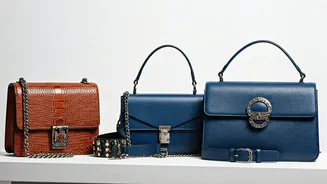
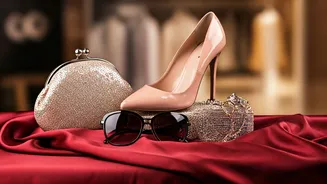
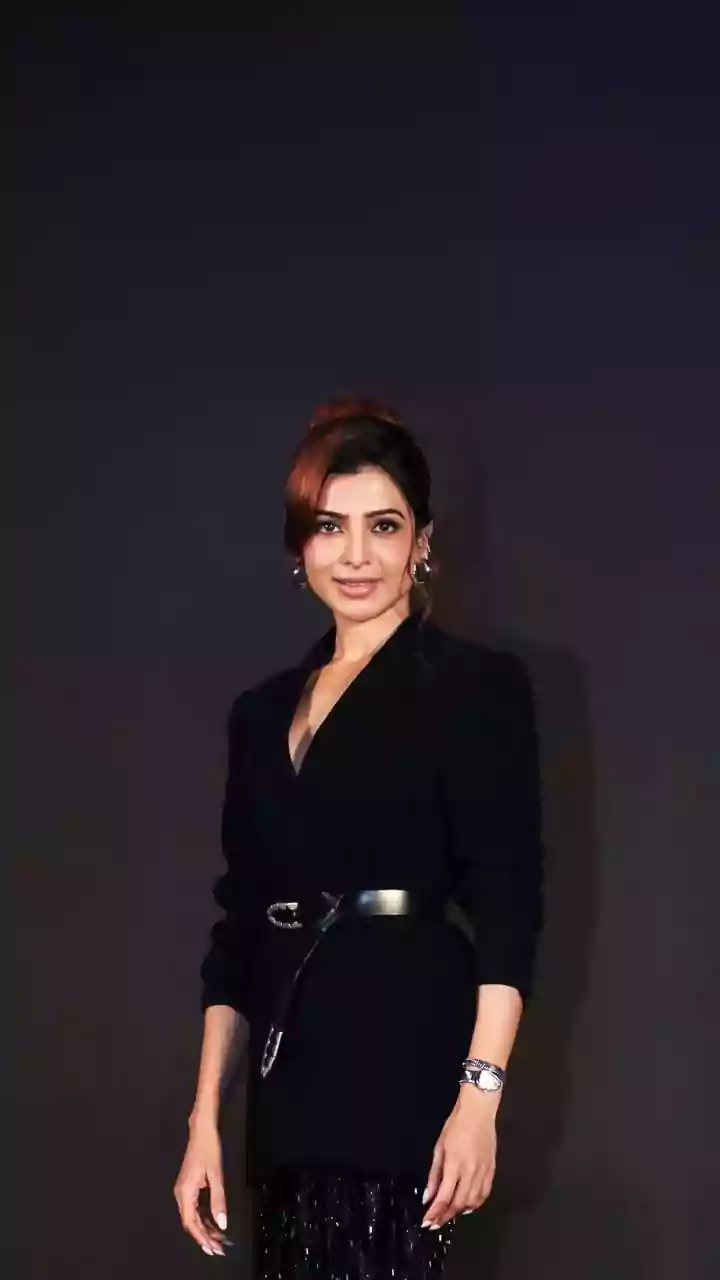
Accessories are the secret weapon to transforming any outfit. They add personality, polish, and flair. The right accessories can elevate a simple look into a statement. Start with the basics: a few versatile pieces, like a classic watch, a delicate necklace, a pair of stud earrings, and a go-to belt. These items can be combined in countless ways. Consider your overall style when choosing accessories. A minimalist aesthetic might lean towards simple, elegant pieces, while a bohemian style would suit layered necklaces and chunky bracelets. Experiment with scarves, hats, and bags to add color and texture. Keep proportions in mind. A large statement necklace pairs well with a simple neckline, and a bold belt can cinch the waist. Don’t be afraid to mix metals or layer accessories. Accessories are all about expressing your individual style and having fun.
Navigating The Trends
Fashion trends are ever-changing, but developing a timeless style means knowing how to adapt to them. Stay informed by following fashion blogs, magazines, and social media influencers. Identify trends that resonate with your personal style. Don’t feel the need to adopt every trend; choose the ones that enhance your current wardrobe. Consider how trends can be incorporated in small ways: a trendy handbag, a scarf in a seasonal pattern, or a pair of statement shoes. Focus on quality over quantity and avoid impulse purchases. Think about the longevity of a garment before investing. The key is to build a wardrobe that reflects your current style. When a trend fades, update your wardrobe to reflect your evolving aesthetic. Always remember that the best style is the one that makes you feel confident and true to yourself.
Fashion And Sustainability
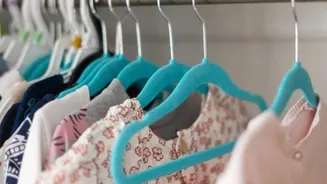
Sustainability in fashion is more important than ever. The fashion industry has a significant environmental impact. Consider the environmental and social impacts of your clothing choices. Support brands that prioritize ethical production practices and sustainable materials. Look for clothing made from organic cotton, recycled fabrics, or innovative materials that reduce waste. Extend the life of your clothes. Wash your clothes less often, repair items instead of discarding them, and properly store clothing. Consider buying vintage or secondhand clothing. Participating in clothes swaps with friends can be a fun and budget-friendly way to refresh your wardrobe. When you are ready to get rid of your clothes, donate or sell them. This approach allows you to minimize your environmental footprint and support a more responsible fashion industry.