
Avant-Garde Silhouettes Flourished
2025 observed a significant shift towards avant-garde silhouettes in luxury fashion. Designers explored unconventional forms, pushing the boundaries of
traditional tailoring. These designs incorporated voluminous shapes, asymmetrical cuts, and deconstructed elements. Materials played a crucial role in bringing these designs to life. Innovative fabrics like bonded leather, sculpted neoprene, and bio-based textiles were favored for their ability to hold shape and add a modern edge. These experimental shapes weren't confined to runway shows; they increasingly appeared in high-end ready-to-wear collections, reflecting a broader acceptance of bold fashion choices. This trend represented more than just aesthetics; it signaled a move towards more expressive and personalized fashion statements. The avant-garde silhouettes offered a way for wearers to stand out and embrace their individuality, contributing to the evolving landscape of luxury style.
Sustainable Luxury Gained Ground
Sustainability remained a crucial theme in luxury fashion during 2025, evolving beyond mere trends to become a core value. Luxury brands integrated eco-friendly practices throughout their supply chains. This included the use of recycled materials, ethically sourced fabrics, and transparent manufacturing processes. The demand for sustainable luxury grew, driven by consumer awareness and the desire for responsible consumption. Initiatives such as circular fashion models and upcycling gained popularity, with brands transforming existing materials into new, desirable items. Furthermore, sustainable luxury extended to the design process, with designers focusing on timeless pieces, durability, and a reduced carbon footprint. Investments in eco-friendly innovations and certifications became standard, showcasing commitment to environmental stewardship. These efforts indicated a more holistic, ethical approach to luxury, aligning with a changing global perspective on consumption and responsibility.
Statement Accessories Shined
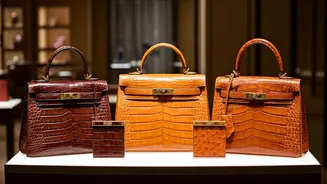
In 2025, statement accessories continued to hold their own, playing a key role in elevating luxury fashion looks. Bold, eye-catching jewelry, oversized handbags, and distinctive footwear took center stage. Chunky necklaces, intricate earrings, and layered bracelets added a touch of personality to various outfits. Handbags evolved into works of art, with unique shapes, embellishments, and premium materials. Footwear presented a blend of comfort and style, with platforms, ankle boots, and innovative designs. Accessories served as powerful tools of self-expression, allowing individuals to customize their looks and make a lasting impression. Many fashion houses also collaborated with artists and artisans, resulting in exclusive, limited-edition accessories that captured attention. The trend emphasized the importance of high-quality craftsmanship, exclusive designs, and accessories that reflected personal style. It showcased accessories as key components of a complete look, rather than mere embellishments.
Modern Minimalism Returned
Modern minimalism experienced a significant revival in 2025, reflecting a desire for simplicity and refinement in luxury fashion. Clean lines, neutral colors, and high-quality fabrics defined this trend. Classic silhouettes such as tailored coats, well-fitted trousers, and crisp shirts took precedence. The emphasis was on meticulous construction, impeccable tailoring, and a focus on essential pieces that transcended seasonal trends. This trend encouraged consumers to invest in versatile, timeless items that could form the foundation of a sophisticated wardrobe. Subdued color palettes, including shades of ivory, charcoal, and navy, were prominent, with occasional pops of color adding interest. Minimalist fashion celebrated the beauty of simplicity and the enduring appeal of quality craftsmanship. It represented a reaction against overly elaborate or flashy trends, focusing instead on elegance, functionality, and enduring style. The look emphasized lasting value over fleeting trends.
Tech-Integrated Fashion Emerged
The integration of technology into luxury fashion gained considerable traction during 2025. Smart textiles, wearable technology, and digital innovations shaped both design and functionality. Fabrics embedded with sensors and microchips enhanced apparel with features like temperature regulation, health monitoring, and interactive capabilities. Fashion houses experimented with augmented reality and virtual reality to create immersive shopping experiences and virtual try-ons. Accessories saw tech advancements, with smartwatches and connected jewelry offering style and function. Designers leveraged 3D printing and digital fabrication to create unique, custom-made items, pushing the boundaries of what was possible. The convergence of technology and fashion aimed to elevate the user experience, promote personalization, and integrate fashion seamlessly into modern lifestyles. These advancements reflected the evolving nature of luxury, where innovation meets aesthetics.
Artistic Collaborations Grew
In 2025, luxury fashion saw an increase in collaborations between fashion houses and artists from diverse creative fields. These collaborations produced collections that combined fashion, art, and innovation, captivating a wider audience. Artists from visual arts, music, and performance were invited to create unique designs, installations, and campaigns. Limited-edition collections, featuring exclusive artworks and unusual materials, became highly sought-after. These collaborations introduced new perspectives and artistic styles to the fashion industry, fostering a more culturally rich landscape. They offered brands new ways to connect with audiences and build distinctive brand identities. By combining the power of art and fashion, these projects gave unique products that reflected both creativity and luxury. These projects highlighted a broader trend toward cross-disciplinary collaborations and the blending of art and commerce in the luxury sector.