
Seasonal Wardrobe Shifts
The shift in seasons brings the chance to rejuvenate wardrobes, as outfits suited to specific weather conditions are needed. When the weather changes,
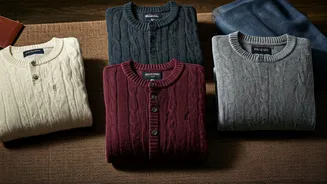
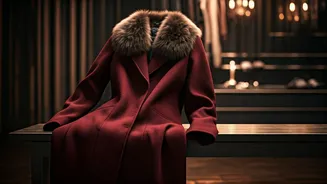
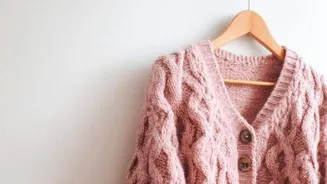
it's essential to pack away clothing that is unsuitable for the current climate and to incorporate pieces that fit the new seasonal needs. For example, during the summer, one may need light and breathable materials like cotton and linen. As the cooler months set in, a transition to warmer textures, such as wool, cashmere, and layers becomes essential. Consider fabrics that can insulate and protect from rain, wind, and cold temperatures. This also presents an opportunity to review current wardrobe pieces and decide which items remain relevant and valuable, which could be altered or updated, and which should be removed or donated.
Color Palette Mastery
Understanding color theory plays a significant role in fashion, enabling individuals to create outfits that are harmonious and visually appealing. Matching colors that complement each other can vastly improve the look. One way to do this is to embrace a palette of colors that either contrast or share similar tones. Using a color wheel will help you identify the color spectrum. For instance, complementary colors such as blue and orange, or red and green, create a vibrant look. Analogous colors like blue and green or yellow and orange, provide a more subtle and connected appearance. When selecting colors, it's crucial to take skin tone into account. Warm skin tones generally look best with warm colors like yellow, orange, and gold, whereas cool skin tones can pair well with cool colors such as blues, greens, and silver. A neutral base of black, white, gray, or beige can provide versatility and balance.
Body Type Guidelines
Fashion that suits an individual’s body type can greatly improve their appearance. Knowing how to dress for your particular body shape allows you to create outfits that complement your figure. Consider the four main body types: pear, hourglass, rectangle, and apple. The pear shape, characterized by wider hips than shoulders, benefits from clothes that balance the proportions, such as A-line skirts or dresses and tops that add volume to the shoulders. The hourglass shape, with a balanced bust and hips and a defined waist, can benefit from clothes that highlight the waist, such as belted dresses or tailored jackets. The rectangle shape, with evenly aligned shoulders, waist, and hips, benefits from garments that create curves. This can be achieved with ruffled tops or dresses with a defined waistline. Finally, the apple shape, with a broader upper body and a less-defined waist, needs garments that create a vertical line. This can be achieved with long, flowing tops and flared skirts.
Accessory Essentials
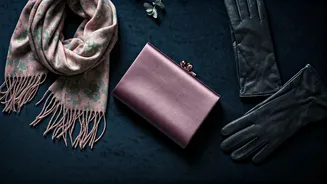
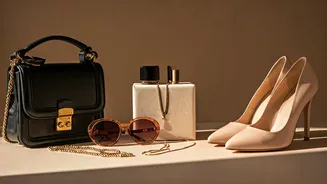
Accessories are vital elements in any outfit, providing personality, flair, and completion. When choosing accessories, it's crucial to consider the look you’re trying to achieve and ensure that each item complements the rest of your outfit. A statement necklace or a pair of bold earrings can instantly elevate a simple look, giving it a bit of sophistication and glamour. Belts are great for defining the waist and adding shape to an outfit. Scarves add both color and texture and can be a functional accessory that provides warmth. Shoes play a critical role, as they can either complement or disrupt an outfit. Heels can add height and elongate the legs, while flats are more practical for everyday wear. Bags and purses serve both practical and aesthetic purposes; select a bag that matches your outfit's color scheme and the occasion. Sunglasses offer protection and style. Watches are a timeless accessory that can add a touch of elegance.
Building A Wardrobe
Constructing a strong wardrobe requires careful planning and strategic selection of pieces. A well-curated wardrobe includes versatile items that can be mixed and matched to create multiple looks. Essential pieces include items like a classic white shirt, a black blazer, a well-fitting pair of jeans, and a little black dress. These items act as a base for many outfits. As you begin to build your wardrobe, invest in high-quality basics. These pieces should be durable, versatile, and suitable for your lifestyle. Consider your lifestyle and personal style. If you work in a professional environment, include items like tailored trousers, skirts, and blouses. For those who enjoy a more relaxed style, comfortable, casual items are key. Don't buy clothes you do not need, and create a consistent style. Also, learn how to care for your clothes. Knowing the proper methods for washing, drying, and storing your clothes will help extend the life of your wardrobe.
Budget-Friendly Fashion
Staying stylish doesn't have to strain your finances; there are numerous ways to enjoy fashion while being budget-conscious. One key tip is to shop wisely, planning your purchases in advance and prioritizing pieces that can be easily combined with existing items in your closet. Consider thrifting or shopping at consignment stores to find unique, vintage, and branded items at a much lower cost than buying them new. During seasonal sales or clearance events, you can find great deals. Before making a purchase, assess whether it is really needed and how many times it can be used. Another great tip is to maximize existing items. Repurposing or altering existing clothes can significantly update your style without having to buy new items. For example, a tailor can transform an old dress or pair of jeans into something new and exciting. Consider learning how to sew or DIY your accessories and clothing to unleash creativity while saving money.
Personal Style Cultivation
Fashion is a way to express yourself and show your individuality. Cultivating a personal style starts with self-awareness. Begin by identifying what you like, including your preferred fabrics, colors, and cuts. Experimenting with different looks and trends, whether by following fashion magazines, blogs, or social media, can give you inspiration and help you refine your taste. One key step is to analyze your existing wardrobe. Identify the pieces you love and how you style them, and discard items that no longer align with your style. Consider your lifestyle and personal needs. For example, if you lead a busy life, comfortable and practical clothes are essential, whereas a formal wardrobe might be needed for a professional environment. Authenticity is important. Your style should mirror your true self and reflect your personality. Mix trends with classic pieces. Don't be afraid to take risks and try new things, and allow your style to evolve over time.