






Stress & Survival Mode
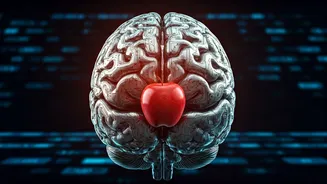
When faced with stress, your brain's rational thinking part, the prefrontal cortex, effectively shuts down. Your amygdala, responsible for survival instincts,
takes over, dictating a fight, flight, or freeze response. This explains why overwhelming deadlines might lead to unproductive procrastination or a mental blank. The brain perceives the situation as a threat, triggering a 'freeze' mechanism to conserve energy or avoid confrontation. To combat this, employ visual anchors. Simple reminders like a sticky note on your screen saying 'Breathe' or 'Prioritize Task' can act as external cues, guiding you back to a strategic mindset when your internal decision-making system is compromised by panic or stress.
FOMO: Ancient Instincts Today
The 'Fear Of Missing Out' (FOMO) is more than a modern social media ailment; it's rooted in our evolutionary past. For early humans, being excluded from the group meant a severe threat to survival. This primal instinct still surfaces, triggering a stress response when we feel left out of social events or trends. Instead of relying solely on willpower, proactively position your desired actions for success. If you aim to read more, keep a book by your bed and your phone elsewhere. For healthier eating, make fruits visible and store less healthy snacks out of sight. Research suggests that physical proximity significantly influences our choices, making readily accessible options far more likely to be chosen.
Instant Gratification vs. Future
Your brain is wired to prioritize immediate rewards, often at the expense of long-term benefits. This 'temporal discounting' explains the allure of quick fixes, like the fleeting pleasure of a sugary snack. The surge of dopamine from such immediate gratification is powerful, while the benefits of healthier choices, which are processed by the more deliberate prefrontal cortex, feel distant and less tangible. When faced with an impulsive desire or a tempting detour from your goals, implement the '10-Minute Rule.' A brief pause can often diminish the intensity of the craving, allowing you to make a more considered decision and avoid acting on impulse.
Decision Fatigue's Toll
As the day progresses, your capacity for making sound decisions diminishes. Every choice, no matter how small, depletes your mental energy, similar to a battery draining. This phenomenon, often observed in the late afternoon, is why individuals like Steve Jobs adopted uniform daily attire to minimize trivial decisions. To preserve mental stamina for crucial choices, automate routine tasks. Plan your meals, outfits, and daily priorities the night before. By reducing the number of daily decisions, you conserve your 'willpower fuel' for more impactful situations. It's advisable to postpone significant decisions until you're well-rested and not facing hunger, as these conditions further impair judgment.
Comfort Bias: Sticking With Known
The brain exhibits a 'status quo bias,' favoring familiar situations over the uncertainty of change, even if the change promises improvement. This often leads to staying in unfulfilling jobs or delaying important personal projects, as the amygdala interprets 'change' as a potential risk. The psychological principle that the pain of loss is perceived as more intense than the pleasure of an equivalent gain reinforces this resistance. To overcome this inertia, apply the '2-minute rule' to break down large objectives. By dividing daunting goals into small, manageable actions, you reduce the perceived threat, making it easier to start. Once initiated, momentum often carries you forward.