



Understanding Yellowing Leaves
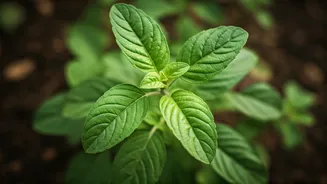
The common ailment of yellowing leaves on Tulsi, or holy basil, often signals underlying stress in its care routine, even when the plant otherwise appears
healthy. This phenomenon arises from imbalances in crucial elements like watering schedules and light exposure. Overwatering is a primary culprit, suffocating the roots by depriving them of essential oxygen, a situation that severely compromises the plant's ability to absorb nutrients. Conversely, insufficient sunlight hampers the vital process of photosynthesis, leading to a loss of chlorophyll and the characteristic yellowing of foliage. Factors such as soil quality and abrupt shifts in weather patterns can also contribute to this decline, indicating that a reassessment of its environment and care is necessary.
Mastering Watering Techniques
Proper hydration is paramount for a flourishing Tulsi plant, which prefers its soil consistently slightly moist rather than waterlogged. A simple yet effective method to determine watering needs is to feel the top layer of soil; if it feels dry to the touch, it's time to water. It's crucial to avoid overwatering, as this can lead to root rot and nutrient deficiency. Adjust your watering frequency based on the season: during cooler months, a more restrained approach is advisable, while warmer periods necessitate more frequent watering. Ensuring that excess water can freely drain from the pot is also vital, preventing stagnation and promoting healthy root development.
Optimizing Sunlight and Placement
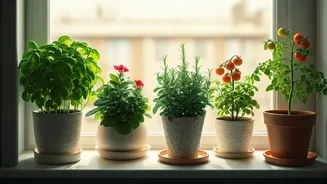
Tulsi plants are sun-worshippers, requiring at least five to six hours of direct sunlight daily to thrive through photosynthesis. Placing your plant in a dimly lit area or indoors will significantly weaken it, resulting in the dreaded yellowing leaves. Ideal locations include balconies, terraces, or windowsills that receive ample sunshine. Furthermore, good air circulation is a key component for preventing fungal diseases and maintaining overall plant health. By positioning your Tulsi in a location that meets its light requirements and promotes airflow, you create an optimal environment for its vigorous growth.
The Role of Soil and Drainage
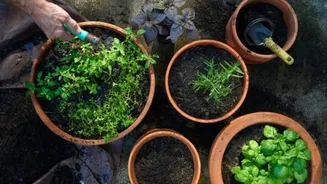
The foundation of a healthy Tulsi plant lies in the quality of its soil and the pot it inhabits. The ideal soil composition is well-draining, allowing water to pass through efficiently while retaining just enough moisture for the plant's needs. A good mixture often involves garden soil enriched with compost and perlite or cocopeat for enhanced aeration and drainage. Critically, always select pots equipped with drainage holes. This simple feature prevents water from pooling at the bottom, a common cause of root rot and subsequent leaf yellowing. A well-chosen pot and suitable soil blend are indispensable for preventing waterlogged conditions.
Nourishment and Pruning Practices
To ensure your Tulsi plant receives adequate nutrients for robust growth, incorporate organic fertilizers such as compost or vermicompost into the soil at regular intervals. Regular pruning is another essential maintenance task that significantly contributes to the plant's health. This involves carefully removing any yellowed or dried leaves, which not only tidies the plant's appearance but also stimulates the growth of new, vibrant foliage. Pruning also enhances air circulation within the plant's canopy, creating an environment less conducive to diseases and promoting better overall plant vigor.
Defending Against Pests and Stress
Various pests, including aphids, whiteflies, and mites, can wreak havoc on Tulsi plants, causing leaf discoloration and damage. Regularly inspecting your plant for any signs of infestation is crucial for early detection. A natural and effective solution for pest control is a neem oil spray, which helps to eliminate these unwelcome visitors. Beyond pests, environmental stressors also play a role. It's beneficial to keep your Tulsi plant in an environment with stable temperatures, avoiding drastic fluctuations and protection from strong, damaging winds, thereby fostering a resilient and healthy specimen.
Cultivating Healthy Habits
The cornerstone of a consistently healthy Tulsi plant is the establishment of a consistent care routine. This involves watering judiciously only when the soil indicates a need, ensuring ample sunlight exposure, and utilizing high-quality, well-draining soil. These seemingly minor adjustments can yield significant improvements in your plant's vitality. Occasionally, you may need to gently loosen the soil around the base or rotate the pot to ensure all sides receive adequate sunlight. By adhering to a predictable schedule and providing the right conditions, your Tulsi plant will adapt and flourish, remaining lush and green throughout the year.