



Origin and Essence
Multani Mitti, often translated as 'clay from Multan', hails from the fertile Indus plains surrounding the city of Multan in present-day Pakistan. Historically,
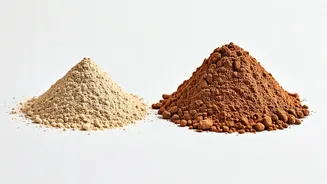
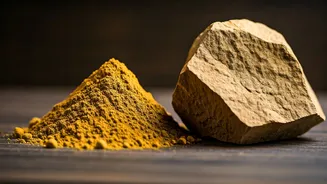
this mineral-rich earth was not only a prized cosmetic ingredient but also a powerful degreaser, utilized for cleaning wool fabrics. Its journey across the Middle East and South Asia solidified its reputation as a versatile natural resource. Understanding its roots helps appreciate its enduring legacy in beauty and beyond. This clay is fundamentally a mineral composition, naturally occurring in various earthy hues like brown, white, and occasionally green, with the specific shade indicating its unique blend of minerals. It functions as a natural detoxifier for the skin, drawing out impurities and leaving it refreshed.
Forms and Convenience
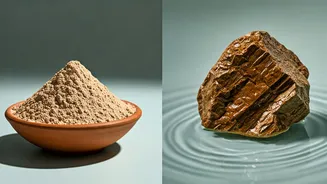
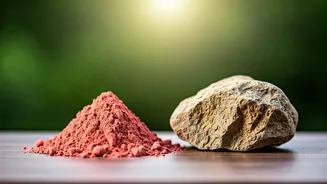
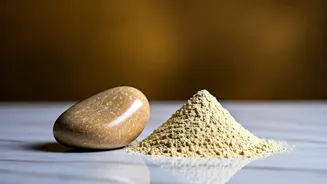
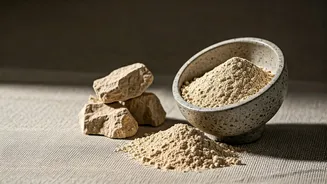
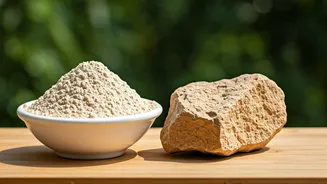
Multani Mitti is readily accessible in two primary forms: fine powder and solid stone chunks. The powdered version offers unparalleled convenience; it's pre-ground and ready for immediate use, easily blended with liquids like milk, yogurt, aloe vera, or rose water to create custom face masks. You can find this powdered form conveniently in beauty shops and online marketplaces. However, a caveat with the powder is the potential for added fillers, which can compromise its purity and effectiveness, making quality checks essential. Despite this, for those new to DIY skincare or seeking quick beauty solutions, the powder is an excellent starting point, providing an easy entry into the world of natural face masks.
The Stone Variant
The stone form of Multani Mitti is generally regarded as more natural and pure, as it undergoes less processing compared to its powdered counterpart. For centuries, this raw form has been a cornerstone of traditional Indian beauty practices. Generations of women would meticulously grind the stone into a fine powder at home, ensuring they were using the most unadulterated clay for their skin and body treatments. While this dedication guarantees ultimate purity, it does demand a significant amount of manual effort for crushing and soaking the stone before it can be applied. Therefore, if your priority is absolute purity and you don't mind the extra preparation time, the stone variant is the ideal choice.
Choosing for Glow
Both the powder and stone forms of Multani Mitti deliver comparable skincare advantages, stemming from the same natural source. However, for those specifically aiming for a radiant, glowing complexion, the stone variant often holds the edge due to its inherent purity. The powdered form, while less pristine due to potential additives, offers superior ease of use, making it a practical option for busy individuals. Regardless of the form chosen, moderation is key. Overuse can strip the skin of its essential natural oils. Applying a Multani Mitti mask once or twice weekly, mixed with ingredients like rose water, milk, or aloe vera, is typically sufficient for effective sebum control and achieving that desired glow.