




Understanding Pillow Yellowing
The transformation of a fresh white pillow to a yellowed one is a common, yet often frustrating, household phenomenon. The primary culprits behind this
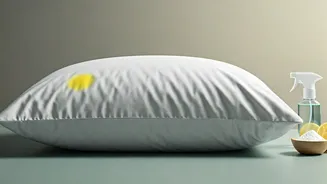
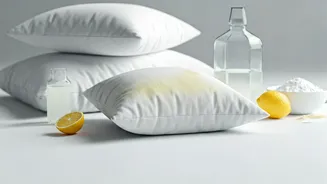
discoloration are the natural bodily fluids we release during sleep, such as sweat and skin oils, which gradually seep into the pillow's material. Beyond these, the buildup from skincare products applied before bed, lotions, and even sleeping with damp hair can contribute to this gradual decay. Over time, these substances interact with the air, a process known as oxidation, causing the fabric fibers to break down and form persistent stains. Standard, light washing often proves insufficient against these deep-set, oil and protein-based marks, necessitating more targeted cleaning approaches that can effectively break down the molecular bonds responsible for the yellowing and bring back the original vibrancy.
Baking Soda & Vinegar Power
For mild yellowing and persistent odors, a potent combination of baking soda and white vinegar offers a surprisingly effective solution right from your pantry. To begin, create a thick, consistent paste by mixing approximately half a cup of baking soda with just enough water to achieve the desired consistency. This paste should then be applied directly to the most visibly stained areas of the pillow, allowing it to sit and penetrate for a full 30 minutes. Following this resting period, the pillow is ready for a wash cycle in your machine, utilizing warm water. Crucially, to ensure no lingering scent of the vinegar remains, an additional rinse cycle should be incorporated into the washing program, leaving your pillow not only stain-free but also refreshingly clean.
Lemon Juice & Sunlight
When age is the primary factor contributing to pillow yellowing, rather than resorting to harsh bleaches, nature offers a gentler yet effective alternative: the synergistic power of citrus and sunlight. Prepare a whitening solution by blending one part fresh lemon juice with two parts warm water. This mixture should then be lightly sprayed onto the yellowed sections of the pillow, ensuring they become slightly damp but not saturated. Once treated, the pillow should be placed in direct, bright sunlight for a period of two to three hours. The ultraviolet rays from the sun, in conjunction with the natural citric acid in the lemon juice, work together to gently bleach the fabric and restore its original white hue. After the pillow has been dried outdoors, a normal wash is recommended to remove any subtle sticky residue left by the lemon juice.
Preventative Measures
Proactive steps can significantly reduce the occurrence of yellow stains and prolong the life and appearance of your pillows. Implementing pillow protectors, particularly those with a zippered closure, creates a vital waterproof barrier that effectively shields the pillow from accumulating sweat and body oils. Furthermore, establishing a routine of washing your pillows seasonally, ideally every three months, can prevent stains from setting in and maintain their bright, clean look. Finally, ensuring your pillows are thoroughly dried after washing is paramount; placing a damp pillow back on your bed can foster mildew growth and lead to the development of new, unsightly stains, undermining your cleaning efforts and compromising hygiene.