






Skin Types & Male Realities
Contrary to popular assumptions, men's skin isn't universally robust. It's crucial to recognize that skin types vary significantly, ranging from oily and
dry to normal and sensitive. Conditions like atopic dermatitis, commonly known as eczema, can render male skin particularly sensitive, demanding specialized attention and products formulated to soothe and treat without exacerbating irritation. While it's often generalized that men possess rougher skin textures, this isn't always the case; rather, individual skin behavior is influenced by a complex interplay of genetics, age, and lifestyle choices. Dermatologists stress the importance of understanding these individual nuances to effectively manage specific skin concerns, ensuring that treatments are targeted and beneficial rather than detrimental.
Hormones and Skin Physiology
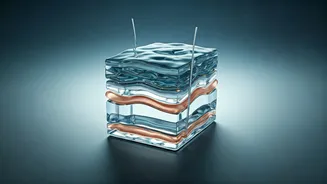
Male skin exhibits distinct physiological characteristics compared to female skin, largely influenced by hormonal differences. Specifically, higher levels of testosterone in men contribute to significantly thicker skin, increased sebum production, and variations in hydration and barrier function. This heightened sebum output can make men's skin more prone to issues like acne if not properly managed. Furthermore, skin's behavior and texture evolve with age; a young man's skin will naturally differ from that of an older gentleman. Recognizing these intrinsic biological factors is a foundational step in developing an effective skincare regimen that addresses the specific way men's skin operates, rather than applying generic solutions.
Lifestyle's Integral Role
Beyond inherent biological traits, daily habits and external factors play a profound role in the health and appearance of men's skin. Diet, hydration levels, and engagement in physical activity are not merely general wellness indicators but directly impact dermatological conditions such as acne, premature aging, and inflammatory responses. Dermatologists often inquire about a patient's complete lifestyle, including dietary habits, exercise routines, and daily water intake, to pinpoint the root causes of skin problems. This holistic approach acknowledges that what is consumed and how one lives significantly influences how the skin functions and reacts to environmental stressors and product applications.
Tailored Products for Men
The notion that men can use any product is a misconception that can lead to ineffective care or even skin damage. Skincare products are formulated with specific ingredients and concentrations designed to address distinct skin types and conditions. Men's and women's products, while not always fundamentally different, may be distinguished by how they cater to variations in skin thickness, quality, and reactivity, particularly concerning oil production driven by hormonal levels. The efficacy of skincare hinges on personalization; a one-size-fits-all approach is rarely optimal. Customizing routines based on an individual's skin type, specific concerns, and lifestyle exposure ensures that treatments are not only safe but also highly effective in achieving desired outcomes and preventing adverse reactions.
Ingredient Vigilance is Key
Effectively managing your skin requires a diligent approach to product selection. It's vital to scrutinize product labels, paying close attention to the active ingredients and their precise percentages. Understanding how these components interact with your unique skin type is paramount to avoid unintended consequences like blemishes, pigmentation issues, or uneven texture. Many common skincare concerns can be exacerbated or even caused by using products with inappropriate ingredients or concentrations for one's skin needs. Therefore, informed choices, guided by an understanding of ingredient functions and their compatibility with your skin, are essential for promoting healthier, clearer skin.