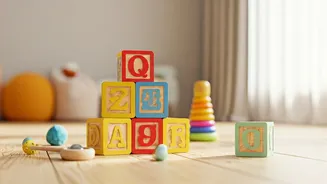







Language Building Blocks
Toddlers are in the crucial initial phase of mastering language, and the repeated exposure to a familiar narrative acts as an invaluable linguistic playground.
As they listen to the same story time and again, they begin to recognize recurring words and sentence structures. This familiarity allows them to predict what might come next, a delightful game that sharpens their vocabulary and listening acuity. Because the plot is no longer a mystery, they can dedicate their cognitive energy to dissecting the nuances of language itself, making the repeated story a potent catalyst for building a robust linguistic foundation during their formative years. It transforms passive listening into an active learning process, where every re-read reinforces their understanding of how words connect and convey meaning.
Comforting Familiarity
For young children, the world can often feel unpredictable and overwhelming. A favorite story offers a comforting anchor in this sea of new experiences, providing a sense of security and emotional stability. This ritual of revisiting a beloved tale, perhaps at bedtime or during quiet moments, becomes a predictable and reassuring routine. The knowledge that they know precisely what will unfold within the pages of the book grants toddlers a palpable sense of control and safety. This feeling of assuredness is particularly beneficial after a day filled with sensory input and new challenges, helping them to relax and feel grounded. The consistent presence of a familiar narrative serves as an emotional balm, promoting a feeling of well-being and contentment.
Confidence Through Predictability
The consistent narrative arc of a well-loved story empowers toddlers by fostering a sense of predictability, which in turn cultivates their self-assurance. As they become intimately familiar with the sequence of events, they often begin to anticipate actions and even point to illustrations, attempting to 'recite' the story themselves. This ability to follow and predict the narrative instills a profound sense of confidence, as they feel competent in their understanding and engagement with the book. This burgeoning confidence extends beyond the story itself, encouraging a positive and joyful relationship with books and reading as a whole. They learn that engaging with stories is an achievable and rewarding activity, setting the stage for future literacy endeavors.
Deepening Memory & Insight
Repeated engagement with a story significantly enhances a toddler's memory retention and comprehension abilities. Initially, their focus might be on the visual elements and the main characters. However, with each subsequent reading, their attention shifts to subtler aspects of the narrative, such as the characters' motivations, actions, and emotions. This progressive deepening of focus allows for a more nuanced understanding of the story's content. It strengthens their capacity to recall details and grasp complex ideas, skills that are foundational for their eventual transition into independent reading and more advanced learning.
Cultivating a Reading Habit
The act of re-reading a cherished story cultivates a powerful emotional connection not only between the child and the book but also with the caregiver sharing the experience. These positive associations transform reading from a potential chore into a delightful and cherished activity. Toddlers who consistently experience books as sources of warmth, attention, and pleasure are far more likely to develop an enduring love for reading that can last a lifetime. While adults might be eager to introduce new literary adventures, allowing toddlers to savor their favorite tales repeatedly lays crucial groundwork for developing strong and positive lifelong reading habits.