
Bathroom Basics
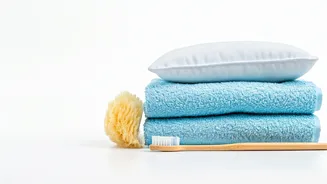
The bathroom is a haven for germs, making regular replacement of certain items crucial. Toothbrushes should be swapped out every 3 to 4 months. Loofahs
and sponges need replacing every 2 to 3 months and 15 days respectively. Similarly, towels should be replaced every 1 to 2 years, keeping them fresh and clean. The lifespan of pillows is around 2 years. These guidelines ensure optimal hygiene and prevent the buildup of bacteria and mold, contributing to a healthier living space. This also extends to water filters, which require changing every 3 to 6 months depending on water quality, and bedsheets, which should be changed every 2 to 3 years.
Kitchen Essentials
The kitchen, being a hub for food preparation, necessitates careful attention to replacement schedules. Dish clothes and sponges, in particular, should be replaced very frequently. For optimal hygiene, dish clothes need to be changed every 15 days. Sponges also have a short lifespan, needing replacement within the same timeframe. Cookware, depending on the material, generally lasts for around 5 years. Regular replacements in the kitchen help maintain a sanitary environment, which is essential for food safety and the health of your family. It is vital to regularly evaluate your kitchen supplies and replace anything that looks worn or ineffective, since this can increase bacterial growth and spread contamination.
Beyond the Basics
Beyond the kitchen and bathroom, certain items around the house have recommended replacement periods. Mattresses, for example, typically last for 8 to 10 years. Big appliances and furniture can last a good deal longer, with an average lifespan of 10 to 15 years. These longer-lasting items can influence overall comfort and functionality. This means that regular inspections are required. These are useful guidelines to help you optimize the cleanliness and comfort levels within your home. Replacing these items at the right time contributes to a healthier, more pleasant living experience for all. Be sure to replace these items when their quality is compromised or when they exceed their recommended lifespan.