



Conversations Build Words
The foundation of a toddler's language journey is built through the constant stream of words they absorb from their environment. When caregivers engage
in everyday discussions about routine activities—whether it's preparing a meal, tidying up, or waking up in the morning—children are passively absorbing language patterns and new vocabulary. Even simple phrases like 'Time to wash your hands!' or 'Look at the bright red ball!' provide valuable linguistic input. Although toddlers might not respond verbally at this stage, their minds are busily processing these auditory cues, gradually building their understanding of how language functions and how it's used to navigate the world around them. This continuous exposure is crucial for developing listening skills and creating a rich linguistic landscape for them to explore and eventually participate in.
Stories Spark Imagination
The magic of stories and reading is a powerful catalyst for language acquisition in toddlers. By sharing picture books and crafting simple narratives, parents create engaging opportunities for vocabulary expansion and comprehension. Pointing to images, posing questions about story characters, or recounting a beloved tale repeatedly helps toddlers internalize new words and understand sentence structure. The sheer joy of a repeated story fosters memory retention and solidifies their grasp of language. Beyond mere words, storytelling nurtures a child's imagination and curiosity, forging a positive and lasting association with communication and the wonders of language.
Play Fuels Fluency
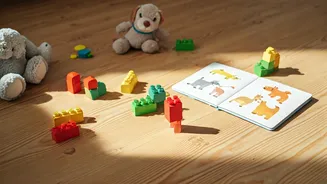
Playtime is a treasure trove of opportunities for fostering language development in young children. Engaging with toys like building blocks or puzzles while narrating actions helps toddlers connect words with physical activities. For instance, saying 'The car is going super fast!' or 'Let's carefully stack these blocks' teaches them descriptive and action-oriented vocabulary. Furthermore, play allows for interactive communication, where caregivers can encourage responses through gestures, sounds, or simple words, building a reciprocal communication loop. This dynamic interaction makes learning feel natural and enjoyable, paving the way for more complex language use.
Repetition Reinforces Recall
Toddlers thrive on repetition; it's a cornerstone of their learning process. Hearing the same words and phrases multiple times allows them to commit new vocabulary to memory and gain the confidence to use it. Common daily routines, such as saying hello and goodbye, enjoying mealtimes, or preparing for bed, naturally incorporate repeated language. These predictable interactions help children grasp the meaning of words and build the courage to attempt speaking them. This consistent exposure through familiar activities facilitates the organic acquisition of new words and strengthens their growing communication abilities.
Encouragement Empowers Expression
Positive affirmation is vital for nurturing a toddler's confidence in expressing themselves. When parents show genuine interest in what their child is attempting to communicate, it provides powerful motivation to continue. Even if their speech is unclear or grammatically imperfect, a supportive response encourages them to keep trying. Simple gestures like smiling, gently rephrasing what the child said correctly, or asking follow-up questions can make a significant difference. This supportive feedback loop reassures toddlers that their voice is heard and valued, empowering them to explore the exciting world of self-expression through language.