







Mornings Matter for Heart
The initial 30 minutes after waking are critically important for maintaining vascular health and mitigating the risk of heart disease over time, according
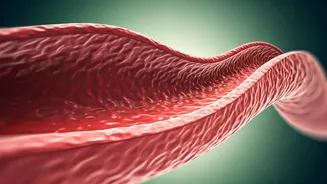
to a leading vascular surgeon. High blood pressure, a condition affecting over a quarter of Indian adults, often develops silently, with numbers escalating significantly after age 30. Many individuals remain unaware of their elevated blood pressure until damage has occurred. This silent cardiovascular epidemic is not solely about advanced medical interventions; it's deeply connected to everyday habits, particularly how one begins their day. Arteries, much like any system, respond to consistent care or neglect, reinforcing the surgeon's point that discipline in daily routines is rewarded by healthier vessels. The cumulative effect of seemingly insignificant mornings can pave the way for long-term heart issues. Therefore, proactive care often starts with simple, conscious adjustments to one's morning ritual before detrimental patterns can take root.
The Morning Surge Explained
Blood pressure naturally fluctuates throughout the day, typically decreasing during sleep and then experiencing a rapid rise in the early morning hours—a phenomenon known as the morning blood pressure surge. This spike exerts considerable stress on the arterial walls, posing a particular threat to individuals with pre-existing stiffness or irritation in their vessels. While this surge isn't inherently dangerous in isolation, it becomes a significant risk factor when arteries are already compromised by factors such as chronic stress, insufficient physical activity, poor sleep quality, or inadequate hydration. These combined elements weaken the vascular system, making it more vulnerable to the detrimental effects of the morning blood pressure increase. Understanding this physiological pattern is key to implementing effective strategies that protect cardiovascular health.
Mindful Breathing First
Dedicate the first five minutes of your day to mindful breathing exercises before engaging with digital devices or daily demands. This practice involves inhaling deeply through your nose for a count of four seconds and exhaling slowly for six to eight seconds, continuing this rhythm for the entire five minutes. This deliberate slowing down helps to significantly reduce the levels of stress hormones like cortisol and adrenaline, which are known contributors to elevated blood pressure. The surgeon emphasizes that emotional stress is a vastly underestimated cardiovascular risk, especially in urban environments. By prioritizing this quiet breathing period, you actively counteract the body's stress response, setting a calmer tone for the day and supporting better vascular health from the outset.
Hydrate Before Caffeinate
Prioritize drinking a glass of plain or warm water before consuming coffee or tea to rehydrate your body after overnight dehydration. During sleep, your body naturally loses fluids, and failing to replenish them in the morning forces your heart to work harder. Opting for water, perhaps with a squeeze of lemon for flavor, prepares your blood vessels for the day ahead, whereas caffeinated beverages can overstimulate the nervous system. This simple act of drinking water helps to ensure your arteries are adequately hydrated and functioning more smoothly, easing the workload on your cardiovascular system before any stimulating effects of coffee or tea take hold.
Gentle Movement Activation
Engage in five to ten minutes of gentle, low-impact movements to gently "wake up" your blood vessels and encourage circulation, distinct from rigorous exercise. This includes simple actions such as performing slow neck and shoulder rolls, gentle spinal twists, and calf and ankle rotations. These movements stimulate the release of nitric oxide, a crucial compound that helps to relax and widen the arteries, thereby improving blood flow. By activating these physiological processes, you promote better endothelial function—the health of the inner lining of your arteries—and enhance the flexibility of your vascular system, contributing to overall cardiovascular well-being.
Morning Stroll Benefits
Incorporate a short, 10 to 15-minute walk shortly after waking to help stabilize blood pressure for several hours. This gentle stroll contributes to improved endothelial function, reduces significant blood pressure fluctuations, and enhances insulin sensitivity. The key is consistency and rhythm rather than speed or intensity. This daily habit helps the arteries maintain a healthier state, lessens the impact of the morning surge, and supports better metabolic health overall. A regular, unhurried walk serves as a practical and effective method to promote sustained cardiovascular benefits throughout the day.
Nourishing Arteries at Breakfast
Opt for a balanced breakfast that avoids shocking your arteries with drastic blood sugar and pressure spikes, a common issue with skipping meals or consuming only refined carbohydrates. Prioritize meals rich in protein (such as eggs, curd, legumes, and nuts), high fiber options (like oats and fruits), and foods abundant in potassium (including bananas and spinach). This approach ensures your arteries receive sustained energy and nutrients, promoting stable blood sugar and blood pressure levels throughout the morning, and supporting long-term cardiovascular health.