




A Region's Textile Legacy
India boasts an incredibly diverse and rich textile landscape, with each region contributing distinct weaving traditions steeped in history and cultural
significance. While globally recognized names like Banarasi and Kanjeevaram often capture the spotlight, numerous equally intricate and beautiful textiles quietly flourish within local communities, deserving of wider recognition. Among these treasures is the Lalitpur zari silk saree, a testament to the artisanal prowess of the Bundelkhand region. Nestled in Madhya Pradesh, Lalitpur is renowned not only for its historical landmarks, including ancient forts and temples, but also for its enduring craft traditions. Situated at the confluence of Uttar Pradesh and Madhya Pradesh, this locale has been a cradle for generations of weavers who have meticulously preserved the unique techniques of creating these lustrous sarees. The hallmark of Lalitpur zari silk sarees lies in their opulent zari embellishments seamlessly integrated with a high-quality silk fabric, ensuring both visual splendor and remarkable durability that has been passed down through families of artisans.
Artistry in Zari and Silk
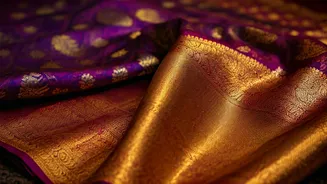
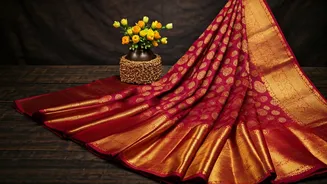
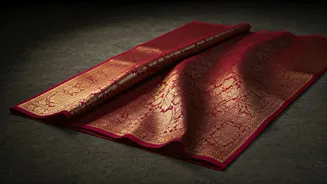
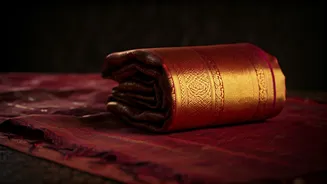
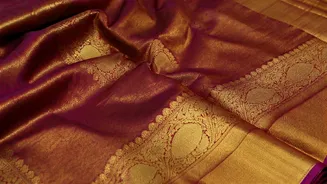
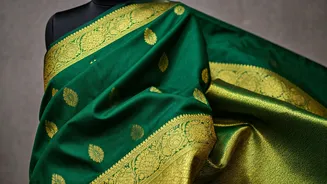
The defining characteristic that sets Lalitpur zari silk sarees apart is the masterful fusion of metallic zari threads with the luxurious drape of silk. This intricate combination creates a fabric that is both soft to the touch and possesses a structured elegance. The fine silk base provides a smooth, flowing foundation, while the traditional zari motifs are meticulously woven into the borders and the pallu (the decorative end piece of the saree). These patterns are deeply inspired by the natural world, the architectural styles prevalent in the region, and the sacred temple designs found throughout Bundelkhand. The color palette predominantly features gleaming gold and silver hues, which serve to exquisitely highlight the intricate zari work, lending the sarees a timeless and regal appeal. The thoughtful selection of motifs and colors ensures each saree tells a story, reflecting the rich cultural and aesthetic heritage of its origin.
The Weaving Process Unveiled
Crafting a Lalitpur zari silk saree is an endeavor that demands considerable time, skill, and meticulous labor. The journey begins with the careful preparation of the silk yarn. This crucial first step involves cleaning the raw silk threads to remove impurities, followed by dyeing them in vibrant or subtle hues. The dyed threads are then meticulously wound onto spools, ready for the next stage. Following yarn preparation is the detailed design planning, where artisans carefully map out the chosen motifs and intricate patterns, ensuring precision before the weaving commences. The next phase involves setting up the traditional handloom, a process where the warp and weft threads are expertly arranged. Once the loom is ready, the delicate process of weaving with the metallic zari threads is undertaken, carefully inserting them to form the distinct borders and intricate motifs. The final stage involves finishing and polishing each saree, a step that imbues the piece with its final sheen and perfection. Each exquisite creation typically takes several days to complete, underscoring the dedication and artistry involved.
Challenges and Future Prospects
Despite the undeniable artistry and rich heritage embodied in Lalitpur's unique weave, it unfortunately remains relatively unknown on a larger scale. This lack of widespread recognition can be attributed to several factors, including limited marketing efforts when compared to established textile hubs, the small scale of the weaving clusters involved, and a general deficit in national exposure. Furthermore, the pervasive presence of mass-produced, machine-made textiles poses significant competition. However, in an era increasingly captivated by the allure of sustainable fashion, slow craftsmanship, and the unique stories embedded in regional textiles, there is a burgeoning interest among consumers. This growing appreciation for authentic, handcrafted goods offers a promising future for the Lalitpur zari silk saree, potentially bringing this exquisite craft the visibility and market it truly deserves. The shift towards conscious consumerism is a powerful force that could revitalize this precious tradition.