







Colour Psychology at Work
The hues you select each morning carry significant psychological weight, influencing your mood and self-perception. Experts suggest that while neutral
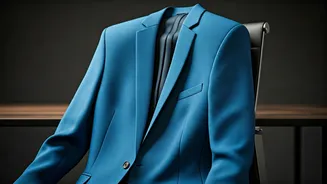
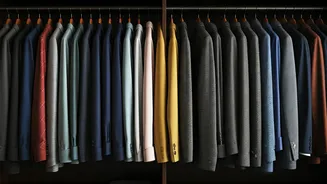
shades like greys and blacks might seem professional, they can inadvertently dampen your spirits, especially after a vibrant break. This can reinforce feelings of dullness and fatigue, contributing to a sense of flatness. In contrast, introducing even subtle splashes of colour, perhaps through an accessory or an inner garment, can provide a vital psychological lift without compromising your professional image. Research indicates that brighter colours are consistently linked to enhanced positive emotions and increased energy levels, whereas darker tones tend to reduce mood and vitality. Therefore, consider incorporating a vibrant scarf or a pair of colourful shoes to signal energy and intention, effectively counteracting any post-holiday slump and positively shifting your mindset as you re-engage with your work.
The Stress of Restrictive Fabrics
Physical discomfort stemming from your clothing can amplify your body's stress responses, particularly during transitions like returning to work. Wearing garments with tight waistbands, stiff fabrics, or poor breathability subjects your body to continuous, low-level strain. When you're already feeling anxious about resuming work, this physical unease is magnified, potentially increasing cortisol levels and leaving you feeling more on edge. Furthermore, restrictive clothing can lead to self-consciousness, diverting your attention from tasks as you constantly adjust an uncomfortable collar or tight trousers. This added cognitive load, however minor the physical discomfort, contributes to mental fatigue when you need to be most focused. Clothing should ideally support your daily activities, not hinder them. Opting for fits and fabrics that allow for free movement and comfortable breathing conserves energy that can be better directed towards your work, ensuring that your attire enhances rather than detracts from your overall comfort and performance.
Layering for Focus
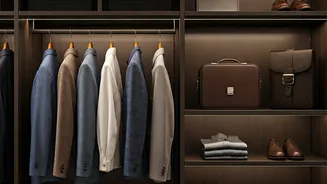
Effective temperature regulation through strategic layering directly impacts your ability to concentrate. Being either too hot or too cold can significantly impair cognitive function. Overheating can lead to sluggishness and irritability, while being excessively cold results in distraction and tension. In both scenarios, your brain expends valuable energy managing physical discomfort, detracting from its capacity to focus on work-related tasks. Office environments often have unpredictable temperatures, especially during seasonal shifts. Wearing too many heavy layers can cause overheating and mental fogginess, while insufficient layers force your body to work harder to maintain warmth. Both extremes reduce productivity and increase frustration. The key lies in adaptable layering using breathable materials. Lightweight knits, cardigans, and scarves allow for easy adjustments throughout the day, maintaining a professional appearance while ensuring comfort. Natural fibres like cotton, merino wool, and linen blends are particularly effective at regulating body temperature compared to synthetic alternatives. By building a wardrobe that adapts to changing conditions, with a breathable base, a mid-weight top, and a removable outer layer, you gain control over your comfort, thereby reducing anxiety and enhancing your ability to stay focused.
Intentional Wardrobe Upgrades
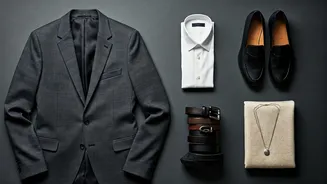
Easing your return to work doesn't necessitate a complete wardrobe overhaul; instead, focus on small, deliberate upgrades that prioritize psychological comfort alongside professional appearance. Opt for comfort-first tailoring by choosing structured pieces with a relaxed fit; being tailored doesn't mean being constrictive. Look for trousers with comfortable elastic waistbands, blazers with flexible stretch panels, and shirts offering ample room for movement. Well-fitting clothes that don't restrict allow you to look polished without enduring physical strain. Pay attention to texture and fabric choices by favouring soft, breathable materials that minimize sensory stress, avoiding stiff or abrasive fabrics. Jersey knits, brushed cotton, and ponte fabrics offer structure without sacrificing comfort. The texture of fabric against your skin can create a sense of ease, while scratchy materials can keep you on edge. Finally, incorporate small psychological upgrades through thoughtful details. A well-fitting pair of shoes, a luxurious cashmere-blend jumper, or a vibrant jewel-toned accessory can subtly shift your mood, making getting dressed feel less like a duty and more like an act of self-care.