





The Gratitude of 'Itadakimasu'
Before your first bite, join your hands and utter 'Itadakimasu,' a phrase that translates to 'I humbly accept.' This isn't merely a casual 'bon appétit';
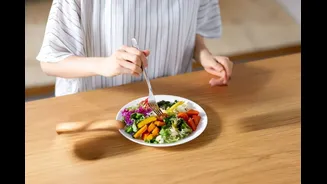
it's a profound act of gratitude deeply rooted in Shinto and Buddhist traditions. It acknowledges the life, both plant and animal, that was sacrificed for your meal, as well as the hard work of the farmers and chefs who brought it to your plate. Practicing 'Itadakimasu' helps to break free from the cycle of mindless consumption, allowing you to appreciate the vital energy present in every dish. This simple yet powerful ritual encourages a conscious connection with your food, transforming a mundane act into a spiritual acknowledgment of sustenance and life. This practice serves as a deliberate pause, inviting mindfulness into the dining experience. Instead of rushing to eat, the recitation prompts reflection on the journey of the food from its origin to its final presentation. It’s about recognizing that each meal is a gift, deserving of respect and appreciation. By embracing 'Itadakimasu,' one shifts from a purely functional view of eating to one that honors the interconnectedness of life and nourishment, fostering a deeper sense of contentment and awareness with every meal. This ritual cultivates a humble spirit, reminding diners of their place within the larger ecosystem of life and the efforts that sustain them.
'Hara Hachi Bu'
'Hara hachi bu,' a principle originating from the Okinawans' Confucian-influenced philosophy, advocates for eating until you are only 80 percent full. This concept, a cornerstone of longevity in their 'Blue Zone' communities, combats overeating by acknowledging the 20-minute delay in the brain’s satiety signals. By stopping before feeling completely stuffed, you prevent the post-meal fatigue often associated with overindulgence. Adopting 'hara hachi bu' fundamentally alters your relationship with food, shifting the focus from sheer fullness to genuine sustenance. This practice offers significant benefits for digestion, aids in weight management, and contributes to robust long-term metabolic health, promoting a more balanced and sustainable approach to nourishment. Implementing this principle means tuning into your body's subtle cues rather than external cues of an empty plate or the perceived need to finish everything. It’s about cultivating an internal awareness of satiety, allowing for a more enjoyable and less taxing digestive process. This mindful approach to portion control not only benefits physical well-being but also fosters a greater appreciation for the quality of food rather than the quantity consumed. By consistently practicing 'hara hachi bu,' individuals can break free from habitual overconsumption, leading to improved energy levels, better nutrient absorption, and an overall sense of lightness and well-being post-meal, ultimately contributing to a healthier lifestyle.
Savoring with a Slurp
While many cultures consider audible eating impolite, slurping noodles is a cherished and important ritual in Japan. Whether enjoying soba, udon, or ramen, slurping plays a vital role in enhancing the dining experience. As you draw the noodles into your mouth, the intake of air cools them down and intensifies their aromas and flavors, allowing for a more sensory appreciation of the dish. Beyond personal enjoyment, a hearty slurp also serves as non-verbal communication to the chef, signaling your deep satisfaction with the meal. This practice encourages a relaxed and multi-sensory engagement with your food, transforming a simple act of eating into a more immersive and appreciative experience. This seemingly unconventional habit is designed to maximize the gustatory and olfactory pleasure derived from noodle dishes. The rapid intake of air not only cools the hot noodles to a more palatable temperature but also aerates them, releasing their complex fragrance and taste profiles. It’s a way of actively engaging with the food, ensuring that every element, from the broth to the texture of the noodles, is fully experienced. By embracing the slurp, diners are invited to be more present and less inhibited, fostering a joyful and appreciative connection with the culinary creation before them, making the meal a more vibrant and memorable event.
The 'Triangle Eating' Method
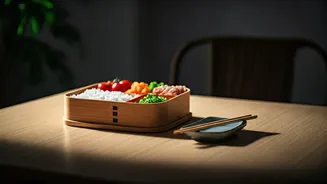
Japanese meals often feature a variety of dishes served in small bowls, such as in the 'ichigyu sansai' style. The 'Triangle Eating' ritual guides diners to consume these diverse elements in harmony. This method involves taking a small portion of rice, then a sip of soup, followed by a bite of a side dish, and then repeating this cycle. By interweaving bites of different foods, you ensure that no single item is finished before the others, maintaining a balanced palate throughout the meal. This practice prevents palate fatigue, encouraging a more thoughtful and measured pace of eating rather than rushing through individual components, leading to a more enjoyable and mindful consumption. This ritual encourages a deliberate and balanced approach to enjoying a multi-component meal. Instead of consuming each dish sequentially, the 'Triangle Eating' method promotes a constant interplay of flavors and textures on the palate. This prevents the dulling of taste buds that can occur when eating too much of one thing, allowing for a consistent appreciation of each element. By pacing oneself and alternating between rice, soup, and side dishes, diners are guided to eat more slowly and thoughtfully, fostering better digestion and a more profound connection with the entire meal. It's a practice that transforms eating from a potentially monotonous task into a dynamic and engaging culinary journey.
Respectful Chopstick Use ('Hashi-watashi')
In Japan, the handling of chopsticks extends beyond mere utility; it's steeped in customs that express respect, particularly concerning taboo actions known as 'Imigushi.' For instance, passing food directly from one pair of chopsticks to another, termed 'hashi-watashi,' or vertically sticking chopsticks into a bowl of rice, are practices associated with funeral rites. By consciously avoiding these actions, you demonstrate an awareness and discipline in your chopstick usage, treating them not just as eating tools but as extensions of respect for the social and spiritual ambiance of the dining table. This mindful approach underscores a deeper appreciation for the rituals and traditions surrounding mealtime. This emphasis on proper chopstick etiquette highlights the Japanese cultural value of mindfulness and respect, even in seemingly small actions. By understanding and adhering to these customs, diners engage in a silent dialogue that acknowledges the importance of the shared dining space and the people within it. The avoidance of 'Imigushi' signals an understanding of cultural sensitivities and a commitment to maintaining a harmonious environment. It encourages diners to be present and deliberate in their movements, transforming the simple act of picking up food into an opportunity to express consideration and reverence for both the meal and the dining companions, reinforcing a sense of order and propriety.