







The Pervasive Stress Crisis
A comprehensive survey involving over half a million Indian women has unveiled a concerning national trend: chronic stress is not an occasional visitor
but a daily reality for many. This widespread issue, far from being an isolated problem, is intricately linked with disrupted sleep patterns and compromised gut health, creating a complex web of health challenges. The findings suggest that societal expectations, compelling women to constantly perform without adequate support or resources, are a significant contributing factor. The data paints a stark picture: nearly half of all Indian women report daily chronic stress, while a substantial number struggle with insufficient sleep and prevalent gut health issues. Alarmingly, no region surveyed indicated low stress levels, with states like West Bengal, Tamil Nadu, and Delhi reporting the highest prevalence, highlighting the pervasive nature of this stress epidemic across the nation.
Understanding Cortisol's Role
Cortisol, commonly known as the 'stress hormone,' is a vital compound produced by the adrenal glands situated atop the kidneys. Its function extends far beyond merely reacting to stressful situations; it plays a crucial role in daily bodily operations, including regulating metabolism, bolstering the immune system, maintaining stable blood pressure, and facilitating the body's immediate response to perceived threats. Adrenal glands naturally secrete cortisol to manage essential functions like blood glucose levels and food metabolism, particularly during the natural sleep-wake cycle. Far from being a detrimental substance, cortisol is instrumental in reducing inflammation and enabling heightened alertness when necessary. The core issue arises not from cortisol's existence, but from its persistent elevation due to sustained stress from modern lifestyles, disrupting the body's delicate internal equilibrium.
Cortisol's Impact on Women
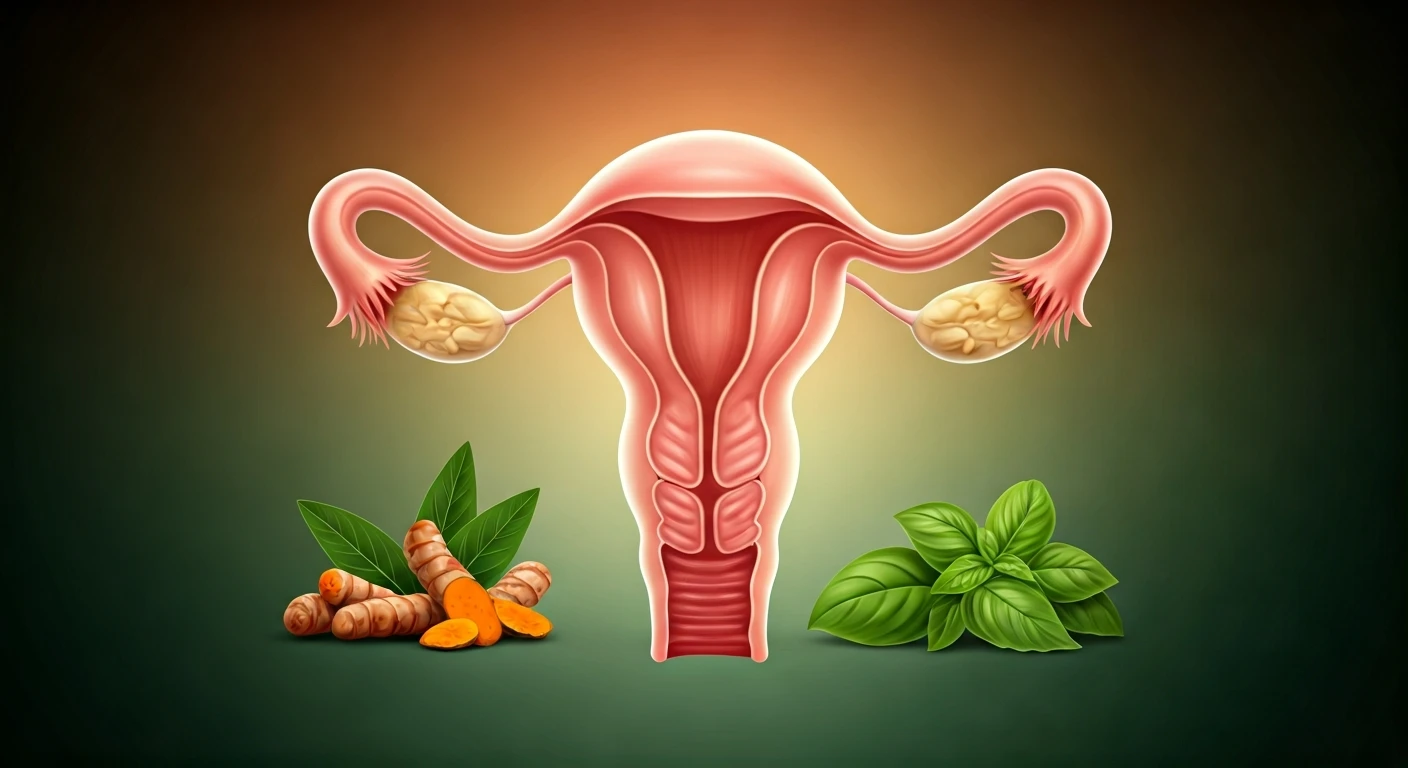
When cortisol levels remain elevated for extended periods, they significantly disrupt the delicate hormonal balance characteristic of the female body. This sustained high cortisol can lead to a decrease in essential hormones like progesterone and estrogen, triggering a cascade of imbalances. Manifestations of this hormonal disruption include unwelcome weight gain, particularly in the abdominal area, irregular menstrual cycles, exacerbation of conditions like endometriosis and Polycystic Ovarian Syndrome (PCOS), and common issues such as hair loss and acne. The effects are not solely confined to physical changes; chronic stress can also lead to more painful menstrual cycles, alterations in cycle length, and can negatively impact fertility and pregnancy outcomes. Furthermore, the emotional toll is considerable, with elevated cortisol contributing to fatigue, anxiety, and a general sense of unease. Many women may continue their daily routines, seemingly functioning normally, but their bodies are under constant, unseen strain, setting the stage for long-term health detriments.
Cortisol and Sleep Disruption
One of the most immediate and noticeable ways elevated cortisol wreaks havoc is by interfering with sleep. Cortisol naturally follows a circadian rhythm, with levels peaking in the morning and diminishing by nightfall to facilitate rest. However, chronic stress disrupts this rhythm, keeping cortisol levels perpetually high and making it exceedingly difficult to initiate sleep. This elevated state also keeps the brain in a heightened state of alertness, preventing relaxation and thus hindering the ability to fall asleep or remain asleep throughout the night. A common, yet often overlooked, consequence is waking up without feeling genuinely rested, indicating that the body is not consistently achieving deep, restorative sleep stages. This creates a detrimental cycle where poor sleep further elevates cortisol, which in turn exacerbates sleep disturbances, leading to a continuous decline in overall well-being.
Dangers of High Cortisol
While short, intense bursts of cortisol are necessary for survival, consistently high levels pose significant and far-reaching health risks. Prolonged exposure to elevated cortisol can lead to a dangerous increase in blood sugar levels, escalating the risk of developing diabetes. It also contributes to elevated blood pressure, promoting weight gain, and critically, suppressing the immune system, making the body more susceptible to illness. Furthermore, chronic cortisol elevation is strongly linked to increased feelings of anxiety and depression, impacting mental health profoundly. The cumulative nature of this damage means symptoms may not appear as a single, obvious ailment but rather as a gradual deterioration of overall health if left unaddressed. This slow erosion affects both physical and mental resilience, highlighting the critical need for proactive management.
Regaining Cortisol Control
The positive news is that cortisol levels can be effectively managed and brought back into balance through consistent and conscious lifestyle adjustments. Experts recommend incorporating practices such as meditation, deep breathing exercises, and mindfulness to calm the nervous system. Establishing a stable sleep routine, ensuring 7-8 hours of quality rest each night, is paramount. Regular physical activity, ideally for 45 minutes at least five times a week, plays a crucial role. Dietary changes, including reducing the intake of processed foods and excessive sugar, along with limiting caffeine consumption, are also vital. Hydration, by drinking 2-3 litres of water daily, further supports bodily functions. Minimizing screen time before bed and maintaining balanced daily routines are key to achieving consistency, which is more impactful than sporadic, intense efforts in managing cortisol.
Impact Beyond Women
While the recent study specifically highlights the challenges faced by women, it is crucial to acknowledge that elevated cortisol levels significantly affect men as well. In men, high cortisol can lead to a reduction in testosterone levels, a decrease in muscle strength, and a slower recovery process from physical exertion. It also contributes to weight gain, particularly around the abdominal region, and can negatively impact motivation, emotional stability, and concentration abilities. Although the body may react to hormonal imbalances differently across genders, both men and women experience substantial negative consequences from chronic stress. Understanding these broad-reaching effects underscores the universal importance of stress management for overall health and well-being in both sexes.