








The Evolving Aura
The concept of cultivating a captivating personal presence, once associated with fashion, social events, and an outgoing demeanor, has undergone a significant
transformation. Historically, this was understood as charisma, a natural magnetism that drew people in. However, the digital age has blurred the lines between genuine personal magnetism and superficial online trends. The term 'aura farming' has emerged, often leading to confusion between authentic inner vibes and curated online personas. In a surprising turn for 2026, what's considered the mark of a 'real aura' has pivoted dramatically. The focus is no longer on external displays of coolness or constant social engagement, but on a foundational element of well-being: consistently getting enough rest. This shift reflects a broader societal re-evaluation of what truly contributes to a person's perceived glow and overall presence.
The Rise of Early Bedtimes
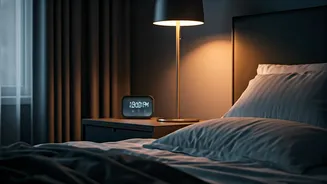
Initially dismissed as a joke, the idea of being tucked in by 10 pm gained undeniable traction, as evidenced by the proliferation of fitness-related content on social media feeds. Seeing countless individuals embracing activities like running along scenic routes highlighted a collective yearning for a different lifestyle. This wasn't merely about succumbing to the fear of missing out (FOMO) or blindly following trends like matching athleisure wear and curated wellness reels. Instead, it signified a genuine desire to break free from the cycle of late nights and groggy mornings. The aspiration is to approach each day with energy and clarity, mirroring the confidence of iconic characters known for their bold declarations, rather than struggling through the morning fog. This realization dawned clearly: the true currency for cultivating an impressive aura isn't about acquiring material possessions or projecting an image of constant social activity, but fundamentally about ensuring adequate sleep by retiring early.
Sleep: The New Status Symbol
The notion of prioritizing an early bedtime, a concept once championed by parents and often resisted by younger generations, is now being re-evaluated with newfound appreciation. This shift acknowledges that the radiant appearance of well-rested individuals is not achieved through late-night digital engagement but through genuine physical and mental recovery. For years, media portrayed all-night parties and clubbing as aspirational, fostering a culture of night owls. However, the 'all-nighter' persona has lost its appeal, and the preference has firmly shifted towards achieving restorative sleep by retiring at a reasonable hour, thereby avoiding the tired, unfocused look of a nocturnal creature the following day. This perspective offers a compelling endorsement for parental wisdom, recalling instances of being sent to bed early and having devices confiscated to prevent late-night screen time. The enduring lesson is that the foundational principles of 'early to bed, early to rise' hold more true value and contribute more significantly to a person's authentic aura than any fleeting trend or social flex.