




The Winter Wildlife Struggle
As temperatures plummet and frost blankets gardens, natural surfaces like netting and patios transform into treacherous ice rinks. This poses a significant
threat to smaller garden inhabitants, particularly birds and hedgehogs, who are more prone to slips and falls while foraging for sustenance or seeking shelter. The inherent slipperiness of ice can impede their movement, making it difficult to navigate their environment safely. This vulnerability necessitates innovative yet straightforward solutions to mitigate the risks they face during the colder months, ensuring their continued well-being and survival when natural foraging grounds become hazardous.
Tennis Balls: A Grip Solution
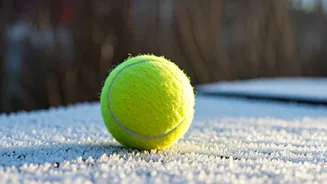
The humble tennis ball has emerged as an ingenious remedy for providing much-needed traction on icy garden surfaces. By strategically placing these textured spheres, gardeners can create safer pathways for wildlife. Research indicates that the textured surface of rubber significantly enhances grip on ice. A study published in Applied Ergonomics demonstrated that textured rubber soles offer superior resistance to sliding on frozen surfaces compared to smooth ones, thereby reducing the incidence of slips and falls. This principle extends to tennis balls, whose rubber exteriors, combined with their distinct texture, act as effective grip aids, offering a stable surface for birds to land on and hedgehogs to traverse, making their winter foraging efforts less perilous and more energy-efficient.
Aiding Avian Navigation
During winter's chill, birds face dual challenges: locating food sources and finding secure landing spots. Freezing conditions can render typical perches and feeders dangerously slick, demanding extra effort from birds to maintain their balance. Introducing tennis balls around bird feeders offers a solution by providing a stable, non-slip platform. Their rough texture acts as a natural attractant, drawing birds into more accessible open areas within the garden. This strategic placement not only ensures birds can land and feed without expending precious energy on stability but also encourages more frequent visits, significantly boosting their chances of survival through the harsh winter period. The visual aspect of the bright balls also aids them in spotting these safe havens amidst the snow.
Safe Passage for Hedgehogs
Icy garden paths present a considerable obstacle for hedgehogs and other small mammals as they venture out to forage during the night. The combination of frost, fallen leaves, and icy patches makes these routes highly unstable. Placing tennis balls along established hedgehog trails and near their shelters provides them with crucial footing, preventing them from slipping. This allows them to navigate more securely, accessing areas where food might be available. By ensuring stable passage, hedgehogs can conserve vital energy that would otherwise be lost in constant attempts to maintain balance on slippery ground, thereby improving their overall resilience during the winter.
Strategic Placement Tips
To maximize the benefit of tennis balls for wildlife, strategic placement is key. Focus on areas with high animal activity and those prone to accumulating ice, such as around bird feeders, beneath garden netting, on patios, and along known hedgehog pathways or near refuge entrances. The vibrant color of tennis balls makes them easily visible against snow, helping animals locate these safe surfaces more readily. Regular checks are advisable to ensure the balls remain in place and haven't been covered by snow or displaced. Adjusting their positions based on animal routes or changing weather conditions will enhance the effectiveness of this simple yet impactful conservation technique, ensuring local fauna continues to benefit throughout winter.
Complementary Winter Care
Beyond tennis balls, several other simple measures can significantly support winter wildlife. Ensuring bird baths remain unfrozen is crucial; adding small floating elements can create enough water movement to prevent freezing. Organizations like the Woodland Trust and RSPB emphasize the importance of providing food, unfrozen water, and safe footholds. Maintaining natural garden elements such as fallen leaves, seeds, and native plants offers sustenance and shelter for insects and small mammals. Minimizing pesticide use and avoiding artificial grass also supports ecological balance, ensuring animals have access to natural food sources during the colder months and can continue to thrive in our gardens.