





Balcony as a Buffer
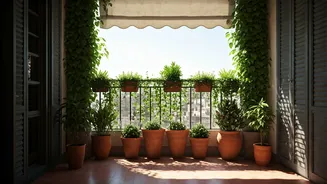
Your balcony can be more than just an open space; it’s a crucial first line of defense against external heat. By treating it as an extension of your living
area, you can effectively manage temperature influx. Implementing features like deck flooring, overhead pergolas for shade, and external blinds or screens helps significantly reduce direct sunlight and glare. Incorporating tall planters not only adds aesthetic appeal but also contributes to a cooler microclimate. Furnishing this space with comfortable seating, layered lighting, and tactile materials transforms it into a private, usable, and climate-conscious outdoor retreat that shields your main living areas from the brunt of the sun's heat.
Jaipur's Terracotta Wisdom
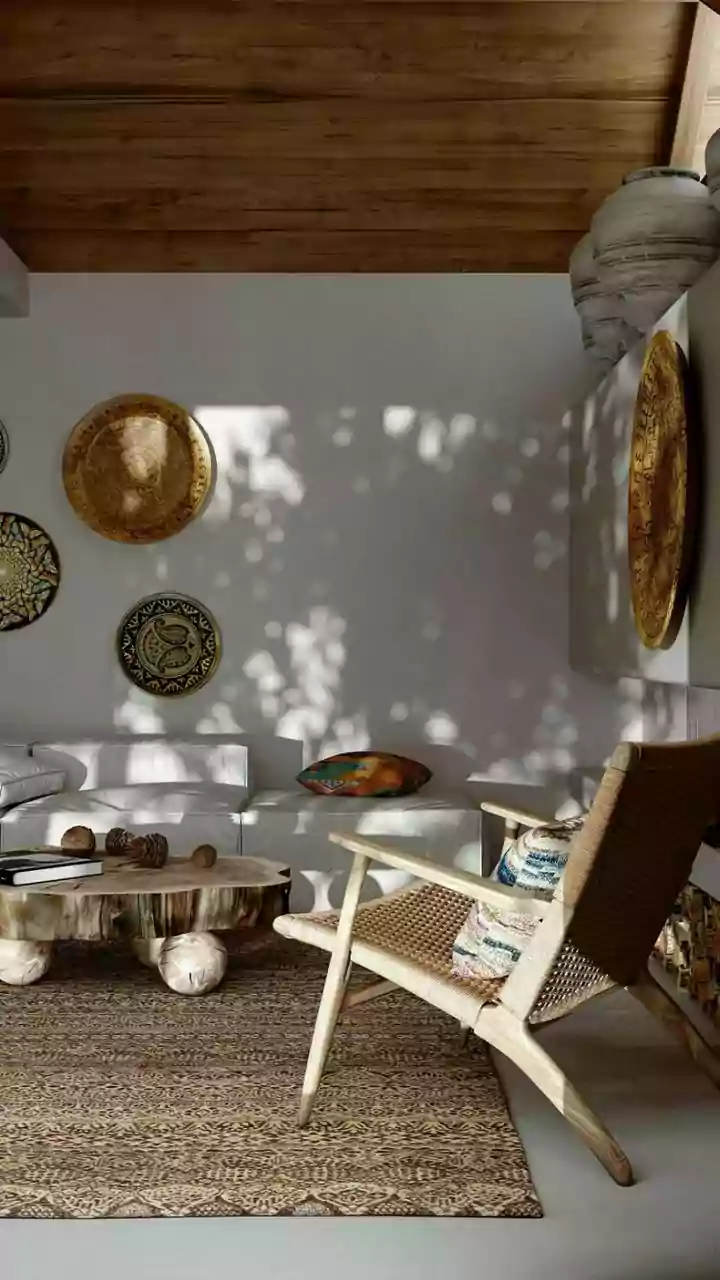
Traditional architecture in cities like Jaipur offers profound insights into passive cooling. The ingenious use of terracotta jaalis (perforated screens) and shaded courtyards allowed buildings to breathe while filtering out excessive heat. Modern interpretations can leverage this ancient wisdom by incorporating terracotta partitions, clay-based wall finishes, or panels inspired by jaali designs. This not only introduces a rich texture and visual depth to interiors but also harnesses the natural cooling properties of terracotta. The material's ability to absorb and release heat slowly contributes to a more stable indoor temperature, while its earthy aesthetic adds a sense of grounded warmth and unique character.
Strategic Shading Solutions
The most impactful way to keep interiors cool is to prevent sunlight from entering in the first place. Simple yet highly effective measures like blackout curtains, reflective blinds, and bamboo chick screens can dramatically minimize heat gain. For homes with balconies, terraces, or top-floor locations, consider more substantial architectural solutions. Pergolas extending over windows or balconies, deep overhangs, and tensile fabric shading structures can create significant shaded areas, acting as a barrier against direct solar radiation. When integrated thoughtfully into the home's design, these shading elements become both a functional necessity and an aesthetically pleasing architectural feature.
Embrace Natural Airflow
While air conditioning can lower the temperature, it doesn't always address the feeling of trapped heat. Enhancing natural cross-ventilation is a remarkably effective, yet often overlooked, design upgrade that profoundly impacts how a home feels. Opening windows on opposite sides of the house, especially during cooler evening hours, allows accumulated warm air to escape naturally. Complementary elements like ceiling fans and strategically placed exhaust fans can improve air circulation without detracting from the interior design. Homes designed with aligned openings and open, breathable layouts tend to feel cooler, quieter, and more balanced, offering a sense of calm even during the hottest parts of the day.
Greenery's Cooling Touch
Indoor plants are often seen purely as decorative elements, but they function as powerful microclimate regulators. Through a natural process called transpiration, plants release moisture into the air, helping to counteract the dry heat that can build up indoors. Varieties like snake plants, peace lilies, and ferns are well-suited to Indian climates and thrive in sunlit spots. In contemporary homes featuring materials like stone, metal, and glass, the addition of lush greenery introduces a vital sense of calm and can evoke a tranquil, resort-like atmosphere, further enhancing the feeling of a cool and comfortable living environment.