



The Liver Detox Myth
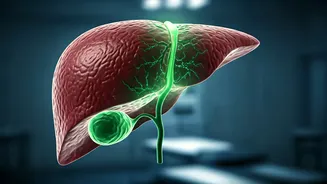
Contrary to popular belief and social media trends, there is no such thing as a 'liver detox.' Your liver is a sophisticated organ that performs its own
detoxification processes continuously through Phase I and Phase II mechanisms, operating 24/7 without the need for external concoctions like juice cleanses or herbal supplements. In fact, some of these so-called 'detox' remedies have been documented to cause liver injury, directly contradicting their advertised benefits. Trust your liver's natural capabilities; external interventions are unnecessary and potentially harmful for its detoxification functions.
Alcohol's True Impact
The notion that moderate alcohol consumption is safe or even beneficial for health has been thoroughly debunked by recent scientific studies. Experts emphasize that no amount of alcohol is truly good for your body, and liver damage can commence with the very first drink. Previous studies suggesting protective effects were flawed, often contaminated by abstainer bias and now disproven by more rigorous methodologies like Mendelian randomization. The safest approach for your liver is to consume zero milliliters of alcohol, as any intake poses a risk.
Hidden Dangers of 'Natural' Supplements
A growing trend towards 'natural' and Ayurvedic products, particularly in India and globally, has raised serious concerns about liver safety. Many of these supplements, including popular ones like Ashwagandha, green tea extract, garcinia, kratom, high-dose turmeric, and giloy, are now identified as leading causes of acute liver failure. They frequently appear in drug-induced liver injury registries across major continents, highlighting that 'natural' does not automatically equate to safe. It is crucial to question the safety of these products before incorporating them into your routine.
Coffee: A Liver Ally
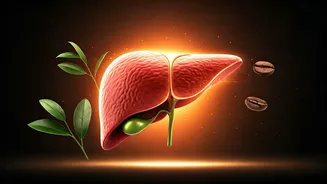
In a positive revelation for many, coffee has been identified as a significant liver protector. Consuming 2-3 cups of coffee daily, whether caffeinated or decaffeinated, has been shown to substantially lower the risk of developing liver fibrosis, cirrhosis, and liver cancer. This dietary intervention is backed by robust and replicable scientific evidence, making it one of the few lifestyle choices with such a clear and positive impact on liver health. Enjoying your daily coffee could be a simple yet effective way to safeguard your liver.
Weight Loss for Fatty Liver
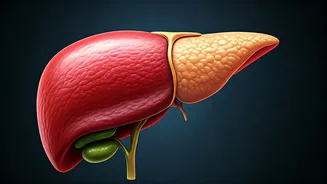
Fatty liver disease is a widespread condition, affecting roughly one in three adults globally. Fortunately, significant improvements can be achieved through weight management. A modest weight loss of 7-10% can effectively clear accumulated liver fat, help regress early stages of fibrosis, and reduce inflammation within the organ. Currently, no pharmaceutical drug outperforms this fundamental approach, underscoring that diet and physical activity are the primary lines of defense for managing fatty liver disease.
Sugar Drinks' Toxic Role
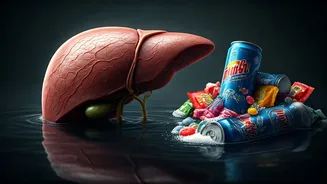
Sugar-sweetened beverages are identified as primary contributors to the development of fatty liver disease. The liver metabolizes fructose almost entirely, converting it directly into fat. Even the consumption of a single soda daily can elevate the risk of Metabolic Dysfunction-Associated Steatotic Liver Disease (MASLD), irrespective of total calorie intake. Limiting or eliminating these drinks is a critical step in preventing and managing liver fat accumulation.
Vaccination and Screening
Proactive measures like vaccination and screening are vital for preventing serious liver conditions. Getting vaccinated against Hepatitis B can prevent over 95% of chronic infections, cirrhosis, and liver cancer. Furthermore, individuals should undergo screening for Hepatitis B and C at least once in their lifetime. While Hepatitis C is highly curable within 8-12 weeks with over a 95% success rate, many infected individuals remain unaware of their condition, making early detection through screening crucial.
Exercise for Liver Resilience
Physical activity offers substantial benefits for liver health, independent of its impact on body weight. Engaging in approximately 150 minutes of moderate-intensity exercise per week, or 75 minutes of vigorous activity, can effectively reduce both liver fat content and liver stiffness. This consistent engagement in exercise contributes to a healthier, more resilient liver, complementing other healthy lifestyle choices.