





Oat's Popularity Explained
Oats have climbed to the pinnacle of 'healthy eating' for good reason, primarily due to their rich content of beta-glucan. This special type of soluble
fiber plays a crucial role in slowing down digestion, which in turn helps in reducing overall cholesterol levels. This characteristic makes oats a frequently recommended food for maintaining cardiovascular well-being. Expert insights confirm that beta-glucan's cholesterol-lowering effect is well-established, though the degree of impact can be influenced by how the oats are prepared and prepared, as well as an individual's unique physiological response. Research further supports these claims, with studies indicating that consistent consumption of beta-glucan can lead to a significant reduction in LDL, or 'bad,' cholesterol. Beyond cholesterol management, the high fiber content also contributes to enhanced digestion and a prolonged feeling of fullness, making oats a valuable component of a balanced diet when consumed thoughtfully.
The Sugar Spike Concern
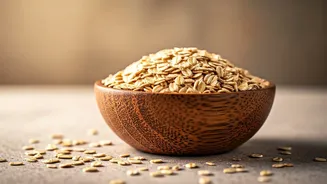
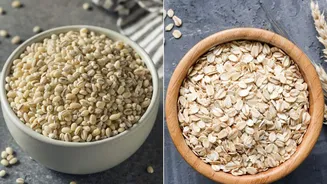
A critical aspect often overlooked regarding oats is how their processing dramatically impacts their effect on blood sugar. Instant oats, for instance, undergo significant processing, causing them to be digested very rapidly. This accelerated digestion leads to a swift and often concerning spike in blood glucose levels, which can be particularly problematic for individuals managing conditions like diabetes or insulin resistance. Unlike their less processed counterparts, instant and flavored oat varieties frequently contain added sugars and are subjected to extensive manufacturing processes, exacerbating the blood sugar elevation. In contrast, options like steel-cut or rolled oats are processed minimally, resulting in a slower digestive rate and a much more gradual release of glucose into the bloodstream, making them a generally safer and more suitable choice for most people.
Digestive and Nutrient Hurdles
While oats are celebrated for their fiber, this very characteristic can present digestive challenges for some individuals. A sudden increase in dietary fiber intake from oats can lead to uncomfortable symptoms such as bloating, gas, and stomach cramps, especially if the body isn't accustomed to it. Furthermore, oats contain phytates, naturally occurring compounds that can interfere with the absorption of essential minerals like iron and zinc. Over time, consistent high consumption of oats without mindful preparation or dietary variety might hinder the body's ability to effectively absorb these vital nutrients. Therefore, while oats are not inherently detrimental, relying on them as a sole daily staple without considering other dietary sources or preparation methods could potentially lead to mineral deficiencies.
Who Should Be Wary?
Despite being naturally gluten-free, oats pose a risk for individuals with celiac disease or gluten sensitivities due to potential cross-contamination during processing. Many oat products are manufactured in facilities that also handle wheat, increasing the likelihood of gluten traces being present. Even minimal exposure can trigger adverse reactions in sensitive individuals. Beyond gluten concerns, people who experience sensitive digestion issues, those with poorly controlled blood sugar levels, and individuals who have become overly dependent on oats as their primary food source should also approach oat consumption with caution. The key takeaway is that dietary choices should be personalized and balanced, rather than solely based on broad health trends, emphasizing the importance of individual response and dietary variety.
Oats: Daily Necessity?
Incorporating oats into one's diet can certainly contribute to overall health, but they should not be elevated to the status of an exclusive go-to meal. A diverse diet is fundamental to good nutrition, ensuring a broad spectrum of nutrients. Experts emphasize that while oats are beneficial, their suitability varies significantly among individuals, making personalization and balance far more critical than adhering to food fads. A practical approach involves selecting less processed oat varieties, pairing them with sources of protein and healthy fats to moderate digestion, rotating oats with other nutritious grains like millets or quinoa, and closely monitoring one's body for any adverse reactions over time. This mindful consumption strategy allows individuals to reap the benefits of oats while mitigating potential downsides.