




The 'Bangs Theory' Emerges
Have you noticed a surge in people sporting fresh bangs or soft fringes during periods of upheaval? It's more than just a fleeting beauty trend; psychologists
and cultural observers point to a phenomenon often dubbed the 'bangs theory.' This concept suggests that dramatic changes to one's hairstyle, particularly cutting bangs, can be a deeply ingrained psychological response to significant life events. Whether it's navigating a painful breakup, enduring workplace stress, or simply experiencing a rough patch, the urge to transform one's appearance by altering the hair, especially framing the face with bangs, often surfaces. This isn't merely about aesthetic appeal; it taps into a profound need to signify an internal shift to oneself and the world.
Hair as Self-Expression
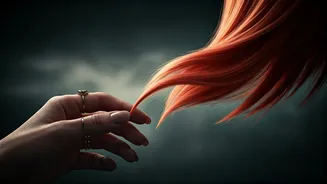
Our hair is a powerful, visible extension of our identity. According to psychological perspectives, significant alterations to our hairstyle frequently mirror a fundamental shift in how we perceive ourselves and how we believe others see us. Cutting bangs is particularly impactful because it instantly modifies the facial silhouette and can cultivate a sense of embodying a 'new version' of oneself. This transformation is not only aesthetically pleasing, offering a fresh look, but it also carries profound symbolic weight. It acts as a visual cue, both internally and externally, that a change has occurred, marking a departure from the previous self and embracing a fresh outlook.
Reclaiming Control
During times of profound personal change—such as the aftermath of a breakup, the pressure of career transitions, or periods of emotional distress—individuals often experience a feeling of powerlessness. In these moments, the act of cutting bangs can represent a small yet significant exertion of agency and control. When external circumstances feel unmanageable or unfixable, the ability to alter one's appearance, specifically through a precise hairstyle change like bangs, offers a tangible sense of accomplishment and satisfaction. It's about finding a way to exert influence over something controllable—one's hair—when life presents unpredictable challenges, providing a much-needed feeling of stability and self-governance.
The Downside of Impulsivity
While the 'bangs theory' highlights a psychological need for control and change, it's crucial to acknowledge that this decision isn't always beneficial. Opting for bangs during emotional turmoil can sometimes be an impulsive act, driven by intense feelings rather than rational consideration. Bangs are notoriously high-maintenance, demanding regular styling to look their best, and they undergo awkward growth phases that can lead to subsequent regret and emotional discomfort. Although they might promise a transformative experience, the practicalities of maintaining bangs can outweigh the initial psychological relief, making them a potentially less-than-ideal choice in the long run.
A Psychological Reset
Many therapists view significant haircuts, including the addition of bangs, as a form of emotional detox or a personal reset button. This act signifies the conclusion of a particular life phase and the commencement of a new chapter. The decisive step of altering one's appearance can act as a powerful confidence booster, instantly marking a turning point. For many, cutting bangs transcends a mere aesthetic change; it offers a profound sense of psychological relief and validation, acting as a tangible manifestation of moving forward and embracing a refreshed sense of self.