




Sea Otters' Fierce Side
While sea otters captivate us with their gentle hand-holding as they float and their clever use of tools to crack open shellfish, their charm conceals
a more aggressive nature. Male sea otters have been observed engaging in brutal mating practices, which can include biting females aggressively and relentlessly harassing them. In more disturbing instances, they have even been known to attack and hold young seals hostage, showcasing a predatory instinct that belies their cuddly exterior. These behaviors are often linked to their social hierarchies and the drive to reproduce.
Koalas' Roaring Persona
Koalas, resembling soft, wide-eyed plush toys slumbering for 18-22 hours a day in eucalyptus trees, project an image of ultimate harmlessness. However, this serene facade crumbles during mating season. Male koalas emit deep, resonant, and often subsonic roars. These powerful vocalizations serve a critical purpose: to assert their size and dominance over rivals. This displays a surprisingly combative and loud dimension to their existence, far removed from their placid daytime demeanor, highlighting a territorial and assertive side driven by the need to attract mates and defend their status.
Dolphins: Playful Predators
Dolphins frequently top the list of friendly and intelligent marine creatures, known for their playful interactions with humans and their acrobatic displays. Yet, beneath this affable exterior lies a more cunning and aggressive side. These mammals are known to be quite dominant, often bullying their prey by manipulating seals or other pinnipeds. More disturbingly, they have been observed engaging in violent conflicts with other species and have even been responsible for killing porpoises and their own young. These actions are largely attributed to complex social structures, establishing dominance, and intense competition for resources.
Praying Mantises' Mating Rituals
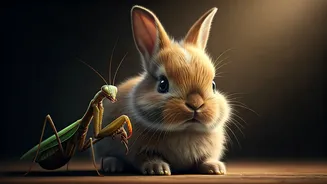
The elegant, still posture and swaying movements of a praying mantis might suggest a serene existence. However, a significant and rather startling aspect of their life cycle involves sexual cannibalism. Female praying mantises often consume the males during or immediately after the mating process. This macabre act is not merely a random occurrence but a strategic evolutionary adaptation. It provides the female with vital nutrients, especially if she is experiencing hunger, thereby enhancing her ability to produce and nurture eggs. While undeniably eerie, this practice is an efficient means of ensuring reproductive success and survival for the species.
Cats' Peculiar Gifts
For devoted cat owners, the peculiar habit of their feline companions presenting them with 'gifts' is a familiar, if sometimes unsettling, experience. Domestic cats often express their affection and perhaps reinforce their bond through these offerings, which typically consist of partially deceased mice or birds. This behavior is deeply rooted in their innate hunting instincts. By bringing prey home, cats are essentially sharing their success, marking their territory, or attempting to teach their human companions their hunting prowess, viewing them as part of their social group that needs to be provided for.
Anglerfish's Parasitic Union
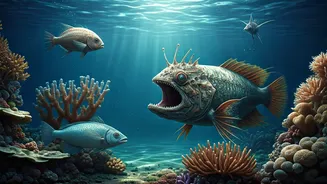
The deep-sea anglerfish presents a truly bizarre adaptation for survival and reproduction. Some species, recognizable by their cartoonish appearance and bioluminescent lures, engage in a unique form of sexual parasitism. In these cases, the minuscule males, upon finding a female, bite onto her body and fuse permanently. They effectively become a specialized organ, solely dedicated to providing sperm for the female. A single female may sustain multiple males in this manner, creating a symbiotic, albeit deeply unusual, relationship essential for perpetuating their lineage in the vast, dark ocean depths.