






The Hair Oil Culprit
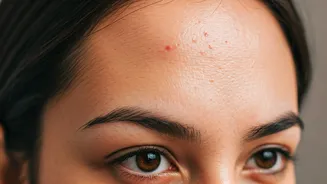
Those persistent small bumps appearing on your forehead, especially after you've applied hair oil, might have an unexpected source. Instead of scrutinizing
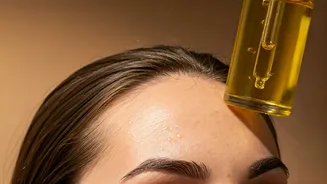
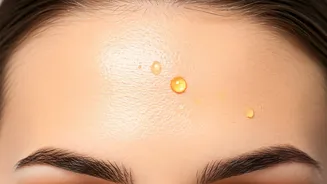
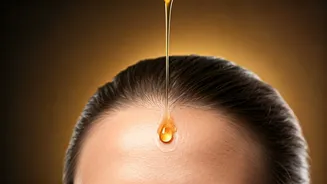
your facial cleansing routine, the real cause could be your hair oil itself. These particular blemishes, often termed 'pomade acne' or 'acne cosmetica,' are distinct from typical pimples. They don't fully mature into pustules nor do they vanish easily, suggesting a reaction triggered by hair care products, particularly those with an oil base. The fundamental mechanism of acne involves pores becoming obstructed by a combination of dead skin cells, bacteria, and sebum, the skin's natural oil. Hair oil significantly expedites this process by migrating from the scalp down onto the skin. Once there, it mixes with perspiration and your skin's own oils, creating a formidable blockage that traps bacteria and fosters an environment ripe for inflammation and breakouts. Even conventionally formulated or richly concentrated hair oils can create a dense film on the skin's surface, directly contributing to acne formation and trapping environmental debris.
Identifying Pomade Acne
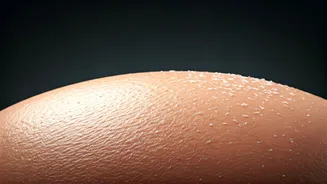
Distinguishing pomade acne from other forms of breakouts is key to addressing it effectively. The tell-tale signs often include a concentration of blemishes along the hairline and across the forehead. These bumps typically appear as small, uniform eruptions that resemble comedones, commonly known as blackheads or whiteheads. A strong indicator that your hair oil is the culprit arises if your acne flares up specifically after oiling your forehead, while the rest of your face, such as the cheeks and chin, remains relatively clear. This localized reaction points directly to the application of hair products as the primary trigger. Your forehead, being a significant part of the T-zone, is naturally predisposed to oiliness due to a higher density of sebaceous glands. This area also experiences frequent contact with your hair, making it an easy target for accumulating oil residues from your strands. Consequently, the increased rate of pore clogging in this region leads to more frequent breakout issues.
Preventing Forehead Breakouts
While the thought of giving up hair oil might seem daunting, especially if your hair tends towards frizziness and dryness, a strategic approach can help you maintain both healthy hair and clear skin. The key is to modify your application technique and product choice. Consciously avoid applying hair oil too close to your hairline or allowing it to drip directly onto your forehead. It's also beneficial to keep your oiled hair away from your face, especially during sleep, as this can transfer oil and increase pore blockage overnight. Limiting the duration your hair remains heavily oiled can significantly reduce the risk of breakouts. Furthermore, consider opting for lighter hair oil formulations. These lighter options are less likely to clog your pores while still providing essential nourishment and manageability for your locks. By implementing these simple yet effective adjustments, you can continue to reap the benefits of hair oiling without suffering from unwelcome forehead acne.