




The Shift After 40
Many women find that traditional fitness advice, heavily focused on high-intensity cardio for weight loss and health, starts to yield frustrating results
around their 40s. Instead of feeling energized, they may experience fatigue, increased hunger, persistent soreness, or a plateau in weight loss despite significant effort. This isn't due to a lack of effort or laziness; rather, it's a biological reality. As women age, their bodies undergo significant hormonal shifts, particularly during perimenopause and menopause, affecting metabolism, muscle mass, recovery, and stress response. Understanding these changes is key to recalibrating one's approach to exercise and overall well-being. The focus shifts from simply burning calories to building a resilient, functional body that supports long-term health and vitality.
Hormonal Ripples
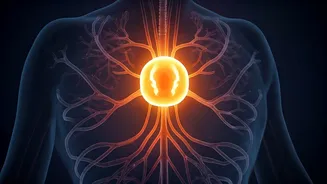
The gradual decline and fluctuation of estrogen and progesterone starting around age 40 profoundly impacts a woman's body. These hormones are not just regulators of the menstrual cycle; they influence metabolism, how the body stores fat, muscle repair capabilities, sleep quality, mood, and energy levels. As estrogen levels decrease, women often notice increased fat accumulation, particularly around the abdomen, a decrease in muscle mass, diminished energy, slower recovery from physical exertion, heightened inflammation, and poorer sleep. While men also experience hormonal changes with age, women undergo a more acute and accelerated transition. This distinct hormonal journey is a primary reason why exercise, especially intense cardio, can affect women's stress hormone levels (like cortisol) more significantly than men's, potentially leading to fatigue and hindering progress.
Strength Over Sweat
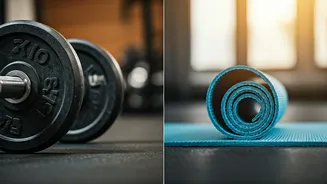
Counteracting the natural age-related decline in muscle mass becomes paramount after 40. Strength training is no longer optional but a non-negotiable component of a healthy fitness plan. It plays a crucial role in preserving muscle, which in turn supports metabolic efficiency, balance, and blood sugar control. Furthermore, maintaining muscle mass is vital for bone density, especially as declining estrogen post-menopause elevates the risk of osteoporosis. While the Centers for Disease Control and Prevention (CDC) recommends muscle-strengthening activities at least twice weekly for older adults, this doesn't necessitate grueling weightlifting sessions. Effective options include resistance bands, bodyweight exercises, Pilates, light dumbbells, and functional training. Incorporating strength work often leads to a surprising outcome: improved responsiveness to cardio and a feeling of being less depleted, as the body becomes more adept at utilizing energy.
Recovery is King
A significant shift in fitness philosophy after 40 involves reclassifying recovery from a luxury to an essential element of the training process. In younger years, the body might tolerate inadequate sleep, extreme workouts, high stress, and insufficient nutrition with relative ease. However, midlife physiology demands more attention to rest and recuperation. Neglecting recovery can escalate inflammation and increase the likelihood of injuries, manifesting as common issues like joint pain, plantar fasciitis, knee stiffness, or lower back discomfort. Essential recovery pillars include prioritizing sleep quality, ensuring adequate protein intake, managing stress levels, staying hydrated, incorporating rest days, and engaging in gentle movement like walking or yoga. This focus on recovery ensures that the body can adapt and rebuild effectively, leading to more sustainable health benefits.
Rethinking Cardio
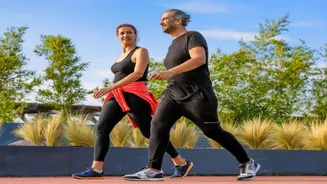
Cardio remains a vital component for maintaining heart health, circulation, lung function, and mental well-being. However, the emphasis shifts from excessive, high-intensity sessions to a more balanced and mindful approach. When cardio dominates a routine without adequate strength training, recovery, or proper nutrition, it can become counterproductive for women over 40. This can lead to a cycle of increased stress hormones, muscle loss rather than fat loss, persistent fatigue, and diminished results. Instead of endless running or intense cycling classes, incorporating more walking and prioritizing strength training for metabolic benefits and joint protection is recommended. The ultimate goal after 40 is not to shrink the body but to cultivate one that feels energetic, robust, mobile, and resilient for the long haul, redefining fitness as a pursuit of lasting vitality and well-being.