



The Heart's Winter Shock
Shoveling snow, a seemingly innocuous winter task, is surprisingly hazardous to cardiovascular health. Cardiologists highlight that heart attacks associated
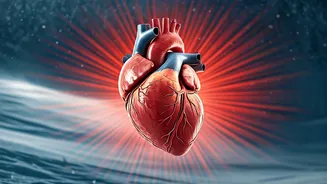
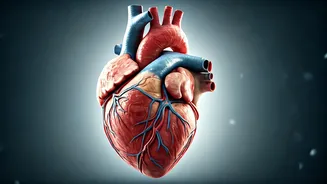
with this activity can occur with alarming speed, often within the initial 10 to 15 minutes of exertion. This isn't due to any inherent property of snow itself, but rather a confluence of high-risk factors that create a perfect storm for the heart. These factors include sudden, intense physical effort, the body's reaction to cold causing blood vessels to constrict, the Valsalva maneuver (holding breath during heavy lifting) leading to blood pressure surges, and the common practice of engaging in strenuous activity after prolonged periods of inactivity. This combination can overwhelm the cardiovascular system before it has adequate time to adjust, significantly increasing the risk of a cardiac event.
Beyond the Workout
Experts strongly advise against approaching snow shoveling as if it were a high-intensity workout. The urgency to finish quickly or to 'power through' is particularly dangerous. The initial phase of shoveling, often the first 10 minutes, is the most critical period because the body's demand for oxygen spikes dramatically before it can adapt its supply. To mitigate this risk, it's recommended to push snow rather than lift it whenever possible. Lifting heavy, wet snow, especially while holding your breath, directly causes a significant surge in blood pressure. Furthermore, employing proper body mechanics is essential; engage your leg muscles by bending at the hips and knees, keep the load close to your body, and crucially, avoid twisting motions that strain your torso and heart.
Cold's Cardiovascular Toll
The combination of intense physical exertion and cold exposure makes snow shoveling uniquely perilous. When exposed to cold temperatures, the body's blood vessels constrict to preserve heat, which in turn elevates blood pressure and makes the heart work harder to circulate blood. Simultaneously, cold weather can increase stress hormones like adrenaline, accelerating the heart rate and boosting the body's oxygen requirements. When this is coupled with strenuous physical activity, particularly for individuals with narrowed arteries, the heart may struggle to receive sufficient oxygen-rich blood. This critical mismatch between oxygen demand and supply significantly elevates the likelihood of experiencing chest pain, irregular heart rhythms, or even a heart attack during winter activities.
Winter Activity Precautions
To safely engage in demanding winter tasks like snow shoveling, several precautions are paramount. Avoid sudden bursts of intense activity in the cold, and always allow your body to warm up gradually before starting any strenuous chore. Break down tasks such as snow shoveling into shorter, manageable sessions, incorporating frequent rest periods. Lift only small amounts of snow at a time rather than attempting to move large quantities at once. Dressing in layers helps regulate body temperature and reduces the stress of extreme cold. Individuals with pre-existing risk factors like high blood pressure, diabetes, a history of smoking, obesity, or a family history of heart disease should exercise extreme caution and may need to avoid heavy snow shoveling altogether. Any symptoms such as chest discomfort, shortness of breath, dizziness, or unusual fatigue should be taken seriously and warrant immediate medical attention.