




The Sweet Truth
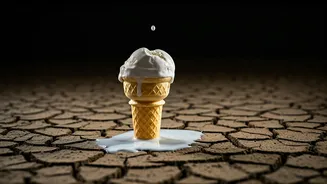
Ice cream, a delightful treat for many, often leaves a lingering thirst. The primary culprit is the high sugar content. When you consume sugar, your body
works hard to process it, drawing water from your cells to dilute the sugar in your bloodstream. This shift in fluid balance leads to cellular dehydration, triggering the feeling of thirst. Furthermore, the sweetness can trick your body into thinking it's not thirsty, making you consume more ice cream without realizing the need for hydration. This initial rush of sugar affects the body’s natural equilibrium, making thirst more prominent.
Salt's Role
Another key factor contributing to post-ice cream thirst is the salt content. Ice cream, even seemingly plain varieties, often contains added salt to enhance flavor and texture. Salt plays a critical role in maintaining fluid balance within the body. When you consume a salty treat, your body tries to balance the sodium levels by pulling water from your cells. This process, similar to the sugar effect, causes cellular dehydration and a subsequent feeling of thirst. The interaction of salt and sugar, both present in significant amounts in ice cream, works in tandem to make you feel parched, more so than after some other less processed desserts. The amount of salt, though seemingly negligible, contributes greatly.
Temperature Impact
The temperature of ice cream also plays a part in making you thirsty. Although ice cream feels refreshing when it initially touches your tongue, its coldness can temporarily numb your taste buds, leading you to consume more before your body signals its needs. The coldness can also mask the initial signs of dehydration. As your body warms up to the internal temperature, the underlying thirst is revealed. Because the body perceives extreme cold as a kind of shock, it attempts to regulate and restore its internal environment. The body prioritizes maintaining its internal temperature, making you more aware of the need to replace lost fluids when the initial cold sensation fades.
Digestion's Demand
The process of digesting ice cream also draws on the body's water reserves. Your body needs water to break down the sugars, fats, and other components in ice cream. The digestive system requires ample hydration to function effectively, and when this demand isn't met, thirst sets in. Furthermore, the fats present in many ice cream varieties can slow down digestion, prolonging the need for hydration. This is one reason why many individuals find themselves searching for water post-consumption. Because ice cream contains a blend of components that are not easily digested, the body works overtime to process, which in turn leads to the desire for water.
Strategies for Relief
If you're an ice cream enthusiast, you don't need to give it up! There are ways to mitigate the post-ice cream thirst. One simple strategy is to drink water while enjoying the treat. This helps to balance the body’s hydration levels and to counterbalance the diuretic effects. Consider choosing lower-sugar options or homemade versions to reduce the sugar load. Another tip is to limit portion sizes, which minimizes the impact on your body. Drinking water before indulging can also help preemptively hydrate your system. Being mindful of your body’s signals and responding promptly to thirst cues are crucial for enjoying ice cream without the unpleasant aftereffects.