





Decoding Exosomes
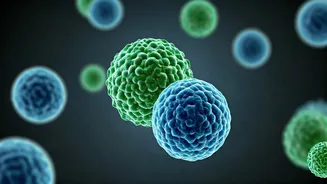
Exosomes are tiny vesicles secreted by cells, playing a crucial role in intercellular communication. These minuscule structures, essentially packages containing
proteins, lipids, and nucleic acids, are naturally produced by cells throughout the body. Their key function involves transporting biological messages between cells. These messages can influence cellular behavior and function. In the realm of skincare, exosomes are utilized for their potential to stimulate collagen production, reduce inflammation, and promote overall skin health. They are often compared to stem cells, but exosomes offer the advantage of not containing the cell's genetic material, providing a potentially safer therapeutic approach. This characteristic allows them to target specific cells and tissues with precision, making them a very valuable tool in skin rejuvenation.
How Exosomes Work
Exosomes work by delivering bioactive molecules to recipient cells. They act as messengers, transferring information that can stimulate healing and repair processes. In skincare, exosomes are harnessed for their capacity to enhance skin rejuvenation. They are typically derived from specific cell types, like stem cells, and are purified and then applied topically or injected. The exosomes then penetrate the skin and interact with the cells, stimulating the production of collagen, elastin, and other vital components. This process leads to improvements in skin texture, tone, and overall appearance. Moreover, exosomes can reduce inflammation and accelerate the healing of damaged skin. This makes them a promising treatment for various skin concerns, including wrinkles, fine lines, and uneven skin tone. The delivery method is crucial, with options like microneedling often utilized to enhance the exosome's penetration.
Benefits for Skincare
Exosome therapy offers several benefits for skincare, making it a compelling option for those seeking rejuvenation. A primary benefit is its ability to stimulate collagen production. Collagen is essential for skin elasticity and firmness, thus its stimulation can significantly reduce wrinkles and fine lines. Additionally, exosomes can decrease inflammation, a major contributor to skin aging and various skin conditions. This anti-inflammatory action can calm irritated skin and improve overall skin health. Furthermore, exosomes can improve skin tone and texture, leading to a more radiant and youthful appearance. The treatment may also aid in healing scars and reducing hyperpigmentation. Many find the results to be natural-looking and long-lasting, providing a more youthful complexion. The treatment's ability to promote cellular communication also contributes to a healthier and more resilient skin barrier.
Exosomes vs. Alternatives
When considering skin rejuvenation, exosome therapy is often compared to traditional methods such as chemical peels, laser treatments, and injectables. Each of these methods has its advantages and disadvantages. Chemical peels work by exfoliating the top layer of skin, improving texture and reducing blemishes. Laser treatments can target specific skin concerns, like wrinkles or pigmentation, but they often have a longer recovery period. Injectables, such as fillers and Botox, provide immediate results but may require regular maintenance. Exosome therapy, on the other hand, offers a more natural approach by stimulating the body’s own healing processes. While the results might not be immediately visible, they tend to be more sustained and can improve overall skin health in addition to addressing specific concerns. Exosome therapy is often less invasive than laser treatments or injectables, reducing the risk of side effects. It is crucial to consult with a dermatologist to determine which treatment is the best fit for individual needs and skin type.
Future of Treatments
The future of exosome treatments is promising, with ongoing research and development paving the way for advancements. Scientists are exploring ways to enhance exosome effectiveness. They are focusing on optimizing delivery methods, such as utilizing different formulations and combining exosomes with other therapies. The potential for personalized exosome treatments is also being explored, tailoring treatments to individual skin types and concerns. Moreover, researchers are investigating the use of exosomes in treating other conditions, such as hair loss and wound healing. As the understanding of exosomes deepens, new applications are expected to emerge, expanding the realm of cosmetic and therapeutic possibilities. The focus is on improving the safety, efficacy, and accessibility of exosome therapies, making them a mainstream option for skin rejuvenation. This makes it an exciting and evolving field with substantial potential.