




The Clump Conundrum Solved
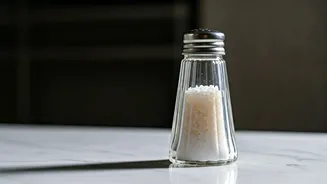
The common frustration of a salt shaker that refuses to dispense its contents, especially on humid days, is a familiar kitchen woe. Whether you're seasoning
a hearty soup or preparing a flavorful barbecue rub, the inability to access your salt can be incredibly disruptive. While modern solutions often involve expensive airtight containers or specialized sealing technologies, a far simpler and more cost-effective method is gaining traction among home cooks. This time-tested technique, passed down through generations, utilizes an everyday pantry item to combat moisture and prevent salt from solidifying into unmanageable lumps, offering a practical and readily available alternative to high-tech storage.
Science of Moisture Control
Salt's inherent hygroscopic nature means it readily absorbs moisture from its surroundings, a property that leads directly to clumping. As the salt crystals take in water vapor, their surfaces become slightly softened. This moisture then binds the individual crystals together, forming hard lumps that obstruct flow. The genius of the rice method lies in its ability to proactively manage humidity. Research indicates that dry rice grains possess a superior capacity for moisture sorption compared to salt crystals. When placed together, the rice grains act as a primary interceptor of water vapor, effectively shielding the salt from dampness before it can cause clumping. This intervention maintains a stable internal environment, preserving the crystalline structure of the salt and ensuring it remains free-flowing.
Rice: The Natural Desiccant
The effectiveness of rice as a moisture absorber is deeply rooted in its structural composition. Scientific investigations, including studies published in reputable journals, highlight how dry rice grains excel at reducing local humidity within enclosed spaces. They function as a natural desiccant, diligently drawing dampness away from their immediate environment. When integrated with salt, this characteristic transforms rice into a protective barrier. Its higher moisture-holding capability means it intercepts ambient water vapor before it can affect the salt. This principle is further validated by research demonstrating that maintaining consistent water activity is crucial for preventing crystalline solids like salt from becoming sticky and lumpy. In essence, rice acts as a miniature humidifier, creating a consistent internal atmosphere that allows salt to retain its optimal crystalline form and flowability.
Choosing the Right Rice
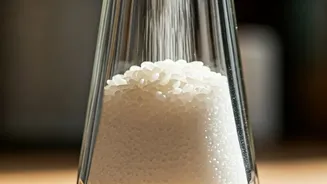
Not all rice is created equal when it comes to combating humidity. For this particular kitchen hack, it's essential to use only raw, whole white rice grains. Avoid any processed forms like rice flour or powders, as their properties are significantly altered. Processing can make rice flour prone to stickiness and rancidity when exposed to moisture, potentially contaminating your salt. Whole grains, however, maintain a stable structure and do not readily interact with the spices. To implement this method, begin with a completely dry and clean salt shaker. Introduce a teaspoon of uncooked rice to the bottom before filling it with your preferred salt. For those residing in exceptionally humid regions, consider replacing the rice grains every few months, as they will eventually reach their saturation point and lose their moisture-wicking effectiveness.
Eco-Friendly Spice Solution
Beyond its practical benefit of preventing clumpy salt, employing rice grains offers an environmentally conscious approach to kitchen management. This method bypasses the need for artificial silica packets, which are often not food-grade and contribute to landfill waste. Instead, you are utilizing an organic, edible substance readily available in most kitchens. This simple, sustainable practice demonstrates how understanding basic scientific principles, like the physics of water absorption by grains, can lead to effective solutions for everyday household challenges. By leveraging the inherent properties of rice, you can effortlessly control moisture levels in your pantry and safeguard your spices, negating the need for specialized gadgets.