





Zardozi: Royal Opulence Reimagined
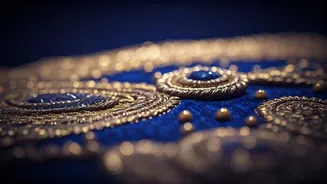
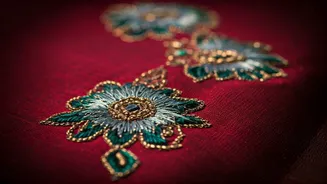
Long before the term 'bling' entered popular culture, India was pioneering the art of opulent adornment through Zardozi. This ancient craft, originating
from Persia but flourishing in the royal courts of Delhi and Lucknow, is dedicated to the meticulous application of gold and silver threads onto fabric. It was the epitome of imperial grandeur, gracing the attire of maharajas and sultans. Today, Zardozi's legacy continues to shine brightly on international runways. The intricate metallic bullion work seen on statement pieces by renowned global fashion houses like Balmain and Alexander McQueen directly reflects the enduring influence of Indian artisans. It remains the premier choice for those seeking to express status and sophistication through their garments, proving that the allure of gilded threads is truly timeless and universally admired.
Chikankari: Summer's Whisper
While Zardozi embodies winter's grandeur, Chikankari offers the delicate elegance of summer's gentle breeze. Hailing from the historic city of Lucknow and once favored by the esteemed Empress Nur Jahan, this technique is characterized by its exquisite white-on-white shadow embroidery. It has been hailed as perhaps the most sophisticated 'resort wear' ever conceived, representing understated luxury in its purest form. The global fashion scene has readily embraced this refined aesthetic. High-street brands in the West frequently incorporate its 'peasant top' style, while acclaimed designers such as Abu Jani and Sandeep Khosla have adorned international icons like Dame Judi Dench with its timeless grace, solidifying its status as a symbol of sophisticated comfort and enduring style.
Kantha: Sustainable Beginnings
In an era where 'upcycling' and 'sustainable fashion' are buzzwords, the women of Bengal and Odisha were pioneers of this movement centuries ago with the art of Kantha. What began as a practical necessity—layering discarded saris and stitching them together using threads salvaged from their borders—has evolved into a celebrated sensation in high-end home decor. Those distinctive, slightly rippled, and textured vintage quilts that are now highly sought after in boutique stores across the globe? They are the embodiment of Kantha. Even influential fashion behemoths like Chanel have drawn inspiration from this textured aesthetic, demonstrating that resourceful repurposing can indeed achieve the pinnacle of high fashion and conscious design.
Kashmiri Kashida: Luxury's First Export
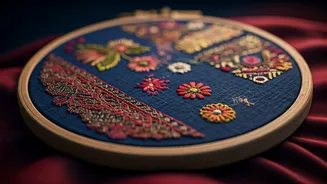
While the world may be captivated by luxurious fabrics like cashmere, true connoisseurs recognize the unparalleled artistry found in Kashmiri Kashida. This intricate embroidery technique, utilizing a single-stitch method, transforms fabric into a breathtaking tapestry adorned with motifs such as chinar leaves and delicate lotuses. It is widely considered to be India's earliest significant luxury export to Europe. During the 18th century, it became a potent status symbol in France, with Empress Josephine developing a particular fondness for it. Consequently, the 'Cashmere Shawl,' often embellished with Kashida, continues to be a cherished wardrobe staple among the global elite, representing enduring elegance and refined taste.
Shisha & Phulkari: Joyful Vibrancy
No discussion of global fashion trends would be complete without acknowledging the explosion of color and spirit brought forth by the 'Boho-Chic' movement. This entire style ethos owes a substantial debt to two vibrant Indian traditions: Shisha (Mirror Work) from Gujarat and the radiant Phulkari from Punjab. The Shisha embroidery, traditionally believed to ward off the evil eye, became an iconic emblem of the hippie counterculture in the 1960s and 70s. Today, whether it's intricately mirrored embellishments on a festival denim jacket or a bold, geometric Phulkari-inspired print gracing a fashion runway, these styles consistently evoke a sense of pure, unadulterated joy and spirited self-expression, captivating designers and wearers alike.