

The Boiling Broccoli Blunder
Many home cooks are unknowingly diminishing broccoli's remarkable health advantages through the common practice of boiling. This popular method can lead
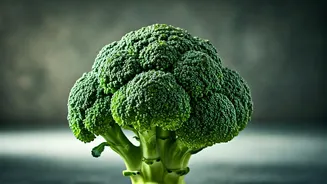
to a staggering loss of up to 70% of the vegetable's beneficial flavonoids, compounds like kaempferol and quercetin, which are renowned for their antioxidant and anti-inflammatory properties. The issue lies in the water-soluble nature of these delicate compounds. When broccoli is submerged in boiling water, these crucial elements leach out, dissolving into the water and leaving behind a significantly less nutritious product. Furthermore, boiling deactivates myrosinase, an essential enzyme responsible for producing sulforaphane, a powerful compound linked to anti-cancer effects. This enzymatic shutdown means your body misses out on one of broccoli's most celebrated benefits. The simple act of discarding the cooking water effectively throws away the very essence of why we choose to eat broccoli in the first place.
Superior Steaming & Microwaving
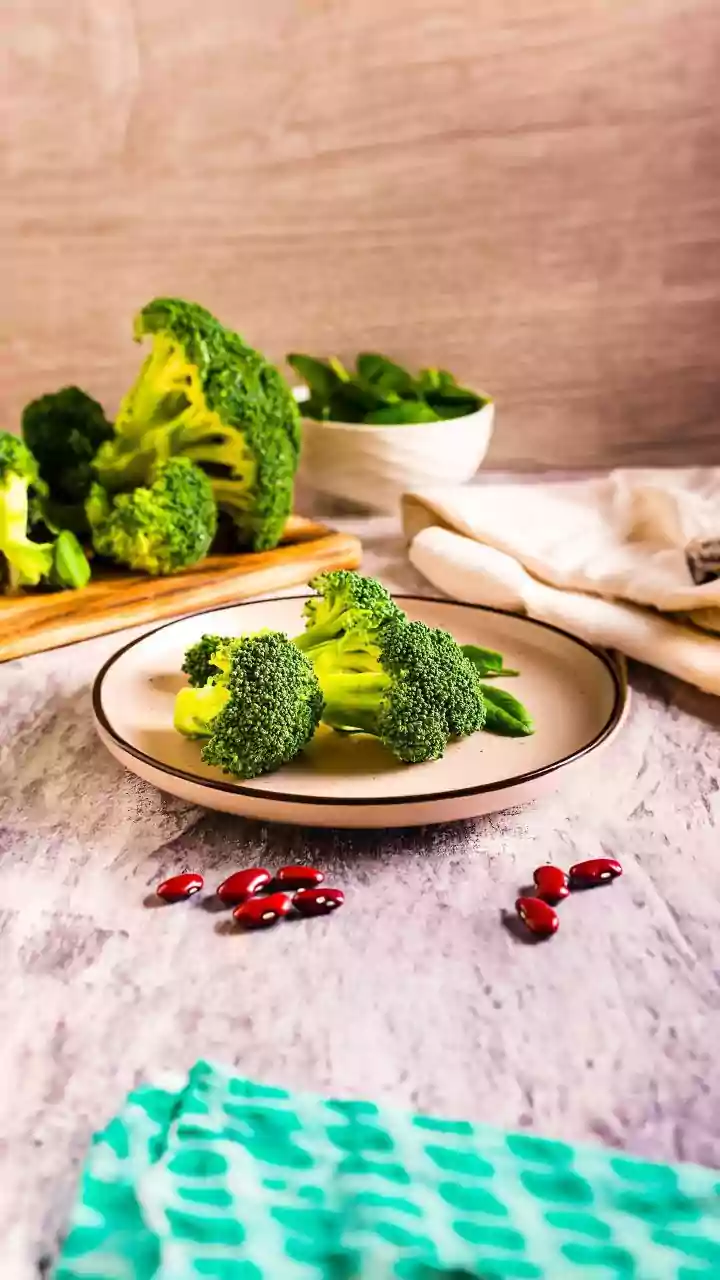
In contrast to the nutrient-depleting effects of boiling, alternative cooking methods like steaming and microwaving with minimal water prove far more effective at preserving broccoli's nutritional integrity. Studies indicate that these techniques can retain an impressive 90% of the beneficial flavonoids. Steaming, in particular, is often lauded as the ideal approach, often referred to as the 'Goldilocks' method. It provides sufficient heat to render the broccoli palatable and safe for consumption while remaining gentle enough to keep the vital myrosinase enzyme active. Microwaving, when done with just a tablespoon of water, also demonstrates excellent nutrient retention. Interestingly, a moderate application of heat through microwaving can even enhance the bioavailability of flavonoids by subtly weakening the plant's cell walls, thereby facilitating easier absorption by the body without destroying the beneficial compounds.
Restoring Lost Benefits
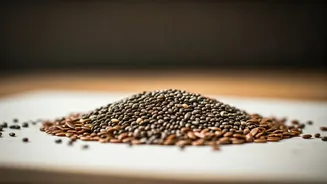
Even if your preferred cooking method involves higher temperatures that might deactivate the myrosinase enzyme, there are straightforward ways to reclaim broccoli's health-boosting potential. A remarkably simple yet effective trick is to incorporate mustard seeds, or a powder derived from them, into your cooked broccoli. Mustard seeds contain a heat-stable form of the enzyme, acting as a natural catalyst to restart the production of sulforaphane, even after the broccoli has been subjected to high heat. This simple addition ensures that you can still reap the significant anti-cancer benefits associated with sulforaphane. Other cruciferous herbs and spices, such as horseradish and arugula, can also contribute to restoring some of the diminished enzymatic activity, offering a flavorful and functional boost to your meal.
Smart Cooking Strategies
Maximizing broccoli's nutritional value involves adopting mindful kitchen practices that respect its delicate composition. When microwaving, limit the water to a single tablespoon and use the lowest effective temperature to maintain vibrant color and a slight crunch. For an even more foolproof method, invest in a steamer basket; keeping the florets above the boiling water prevents essential nutrients from escaping. Timing and preparation also play a role: chopping your broccoli and allowing it to rest for 30 to 40 minutes before cooking creates a crucial window for sulforaphane to form. This pre-cooking wait time allows the beneficial enzymes to initiate their work before the heat has a chance to deactivate them. By moving away from the traditional 'boil and drain' technique, you not only enhance the flavor and texture of your broccoli but also ensure that you are receiving the full spectrum of its remarkable health-giving properties.