




Royal Residences Unveiled
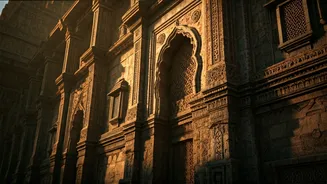
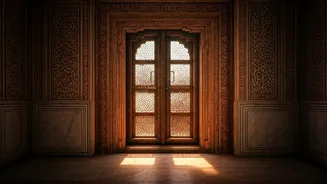
India's royal palaces stand as magnificent testaments to a bygone era of power, artistry, and profound cultural heritage. These grand structures, ranging
from formidable Rajput fortresses to exquisite princely dwellings, offer an unparalleled window into the lives of maharajas and the diverse architectural innovations that defined their epochs. They are more than just buildings; they are living chronicles of history, reflecting the aspirations, aesthetic sensibilities, and socio-political landscapes of their times. Each palace tells a unique story, a narrative woven from stone, artistry, and the echoes of royal footsteps, inviting visitors to immerse themselves in the splendor of India's regal past and to appreciate the enduring legacy of its former rulers.
Udaipur's Lakeside Gem
The City Palace in Udaipur, a sprawling complex overlooking the serene Lake Pichola, ranks among Rajasthan's most extensive royal edifices. Its construction, spanning nearly four centuries, was a continuous endeavor by the rulers of the Mewar kingdom. This architectural marvel is characterized by its intricate courtyards, elaborately decorated balconies that offer panoramic vistas of the lake, and internal museums that house artifacts from centuries past. The palace's design is a fascinating blend of Rajasthani and Mughal architectural styles, showcasing a deep understanding of aesthetics and functionality. Wandering through its corridors and chambers, one can almost feel the presence of the maharajas who once resided here, their stories etched into the very walls of this magnificent lakeside stronghold.
Hyderabad's Scorpion Palace
Perched majestically on a hill overlooking the vibrant city of Hyderabad, Falaknuma Palace served as the opulent residence of the Nizams. This architectural masterpiece is famously designed in the shape of a scorpion, a unique and striking form that sets it apart. Inside, the palace is a treasure trove of rare manuscripts, dazzling chandeliers that illuminate grand halls, and an astonishingly long dining table, reputed to be one of the world's longest. The Falaknuma Palace is a profound reflection of the extraordinary wealth and refined tastes of the Nizams, showcasing a period of immense prosperity and cultural sophistication in Hyderabad's history. Its luxurious interiors and historical artifacts provide an intimate glimpse into the lavish lifestyle of one of India's most influential royal families.
Jai Vilas Grandeur
Jai Vilas Palace in Gwalior presents a captivating fusion of European architectural styles, creating a visually stunning and historically significant landmark. It is particularly renowned for its magnificent Durbar Hall, a space adorned with some of the largest and most spectacular chandeliers ever created, which immediately captivates any visitor. Beyond its grand ceremonial spaces, the palace also houses a museum that offers an insightful and detailed look into the day-to-day lives, customs, and traditions of the Scindia royal family. This museum allows visitors to connect with the personal history of the rulers, moving beyond the grandeur to understand the human element of their reign and their unique way of life.
Baroda's Imposing Estate
The Laxmi Vilas Palace in Vadodara, the former residence of the Gaekwad dynasty, is an architectural behemoth, reportedly four times the size of the iconic Buckingham Palace. This opulent structure is a testament to the immense wealth and influence of Baroda's former rulers, showcasing grand interiors that speak of lavish living and refined taste. Its design seamlessly integrates European architectural influences with Indian sensibilities, creating a unique and impressive aesthetic. The palace is surrounded by expansive, meticulously maintained gardens, adding to its overall magnificence and providing a serene retreat. Exploring Laxmi Vilas Palace offers a profound sense of the scale and luxury that characterized the lives of these powerful maharajas.
Mysore's Illuminated Icon
Mysore Palace, the majestic seat of the Wadiyar dynasty, stands as a breathtaking example of Indo-Saracenic architecture. Its distinctive style is characterized by soaring domes, intricate carvings, and stunning stained-glass ceilings that cast colorful patterns across its richly decorated halls. The palace is a sight to behold at any time, but it achieves a particular ethereal beauty when illuminated during the grand Dasara festival. During this time, thousands of lights transform the palace into a dazzling spectacle, drawing visitors from all over to witness its radiant splendor. The palace's interiors are equally impressive, filled with art, artifacts, and historical relics that tell the story of the Wadiyar rulers and their kingdom.
20th Century Royal Residence
Umaid Bhawan Palace, a remarkable 20th-century creation, holds the distinction of being one of the world's largest private residences. Its construction was undertaken with a unique social purpose: to provide much-needed employment during a period of severe famine. Today, this grand palace continues its multi-faceted role. A portion remains a cherished home for the royal family, preserving tradition and continuity. Other sections have been thoughtfully repurposed as a museum, safeguarding historical artifacts and offering insights into the past, while another part functions as a luxurious hotel, allowing guests to experience a taste of royal living. This adaptation showcases a forward-thinking approach to heritage preservation and modern utility.