





How They Work
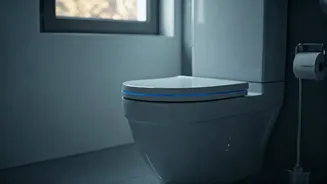
Self-cleaning toilets integrate sophisticated features to automate bowl maintenance, significantly reducing the need for manual scrubbing. These advanced
systems employ various methods to achieve enhanced hygiene. Some models ingeniously dispense cleaning fluids directly into the bowl during each flush cycle, ensuring a consistent level of cleanliness. Others harness the power of high-pressure water jets, meticulously scouring the bowl's surfaces with a more intense and effective action than standard flushes. A more technologically advanced approach involves utilizing ultraviolet (UV) light cycles to sterilize the bowl, eliminating bacteria and odors. These integrated systems operate discreetly in the background with minimal user intervention, diligently preventing the buildup of grime and the development of unpleasant smells that often plague conventional toilets. Additionally, many of these smart toilets incorporate bidet functions, elevating personal hygiene standards and promoting reduced toilet paper consumption, a welcome benefit for households aiming to simplify daily routines and embrace a more streamlined lifestyle.
Eco-Friendly Aspects
Beyond mere convenience, self-cleaning toilets present compelling arguments for environmental consciousness and reduced exposure to household chemicals. In an era where many individuals are increasingly concerned about the quality of air within their homes and the potential impact of harsh cleaning agents, these toilets offer a welcome alternative. Research from respected journals like 'Environmental Science and Technology' has shed light on how the frequent application of cleaning products can detrimentally affect indoor air composition. By diminishing the necessity for repeated chemical treatments, self-cleaning technology aligns perfectly with the growing preference for simpler living environments with lower chemical footprints. Furthermore, water conservation is another significant advantage. A vast majority of these innovative toilets are equipped with dual-flush mechanisms, meticulously designed to minimize water consumption with each use. Over the long term, this not only contributes to reduced utility expenses but also fosters a more sustainable and conscious approach to resource management, making them a prudent choice for the environmentally aware homeowner.
Installation and Maintenance
While the allure of a perpetually clean toilet is strong, potential buyers must carefully consider the more intricate aspects of installation and the ongoing financial commitments associated with maintenance. Installing a conventional toilet is generally a manageable task requiring basic DIY skills. However, self-cleaning models present a considerably more complex undertaking, as they merge sophisticated plumbing systems with delicate electronic components. Even individuals who enjoy tackling home improvement projects might find it prudent to seek professional assistance for this particular installation. A minor misstep during the setup process could compromise the toilet's functionality or even lead to persistent issues down the line. Maintenance also takes on a different character. These toilets still demand regular attention, albeit in a different form. Essential components such as cleaning cartridges, batteries, or UV light elements will require periodic replacement. Failing to address these replacement needs can significantly diminish the effectiveness and efficiency of the self-cleaning system. Therefore, a commitment to regular upkeep is crucial for optimal performance.
Cost and User Experience
The financial aspect is a crucial factor when evaluating the worth of self-cleaning toilets. While lower-priced models might initially appear budget-friendly, the more advanced and feature-rich options will undoubtedly lead to a higher overall investment. Beyond the initial purchase price, ongoing expenses related to acquiring replacement parts and servicing the unit must be factored into the total cost of ownership. Research from organizations like Sustainable Sanitation and Water Efficiency Systems indicates that while water-saving toilets do indeed reduce water usage, their ultimate effectiveness is heavily contingent on the fixture's ongoing maintenance. Essentially, any projected benefits can only be fully realized if the device operates as intended. User feedback often highlights the convenience and reduced cleaning effort provided by this technology. However, some users have also encountered specific challenges, including intermittent cleaning cycles and the frequent need to replace components. Consequently, it is highly advisable to thoroughly research user reviews and opt for a reputable model to mitigate potential frustrations and ensure a satisfactory long-term experience.