



Layered Garden Design
May presents an opportune moment for gardeners to cultivate a visually rich landscape that also supports local wildlife. A thoughtful selection of plants
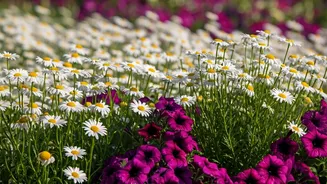
can turn a simple patch of earth into a flourishing ecosystem. The art of designing a captivating flower bed involves careful consideration of both plant size and color. A particularly effective and time-tested combination for creating a spectacular summer garden involves pairing Shasta daisies with petunias. This duo offers a striking visual contrast, with the Shasta daisies, scientifically known as Leucanthemum superbum, providing vertical interest and structural elegance at the rear of the garden. These flowers can reach heights of up to 4 feet, boasting pristine white petals and bright yellow centers that act as beacons. Complementing these tall blooms, the low-growing petunias form a colorful, ground-covering layer, typically reaching no more than 18 inches in height. Their availability in a spectrum of colors, including pinks, purples, and yellows, allows for great aesthetic flexibility. This deliberate layering not only enhances the garden's visual appeal but also actively encourages biodiversity. Research indicates that varied plant heights and designs are more successful in attracting a wider array of insect species compared to uniform plantings.
Butterfly Attraction Secrets
The reason your garden becomes a favored spot for butterflies when these two plant types are present is multifaceted. Butterflies, being cold-blooded, rely on external heat sources to regulate their body temperature, and they are drawn to sunny, warm locations. Both Shasta daisies and petunias thrive in full sun, naturally creating these inviting, bright environments where butterflies are most likely to gather. Furthermore, these flowers are excellent nectar sources. The broad, flat surface of the Shasta daisies offers a convenient resting and feeding platform for larger butterflies, while the trumpet-shaped petunias provide deep wells of energy-rich nectar. This continuous food supply is vital for supporting local butterfly populations, particularly in urban and suburban settings where natural habitats are often reduced. Such gardens effectively function as crucial 'nectar cafes,' helping to sustain butterfly numbers. By planting these specific flowers in May, you are essentially preparing a vibrant dining area for the summer season, contributing to the well-being of these pollinators.
Successful May Planting
To ensure your May planting endeavors yield a flourishing garden, paying attention to timing and soil quality is paramount. It is essential to wait until all risk of frost has completely passed before introducing young plants to the soil. While both Shasta daisies and petunias are relatively hardy, petunias are more sensitive to late spring chills. For those aiming to have blooms as summer's heat arrives, it's advisable to bypass starting from seed. Instead, opt for mature starter plants readily available from local nurseries. This approach provides a significant head start, ensuring robust root development during the initial growth phase. Maintaining this floral pairing is remarkably straightforward, making it an ideal choice for homeowners. Both plant species perform best in well-draining soil. To prevent common issues like fungal infections and root rot, avoid over-watering. A simple guideline is to check the soil's surface; if it feels dry to the touch, it's time to water. While generally resistant to major pests, keep an eye out for occasional aphid or slug activity on the delicate foliage. Strategically planting the taller Shasta daisies at the back of the bed and the shorter petunias at the front ensures that each plant receives adequate sunlight for optimal growth and continuous flowering through the autumn.